
Why Do Black Women Wear Wigs
Exploring the underlying reasons why black women wear wigs
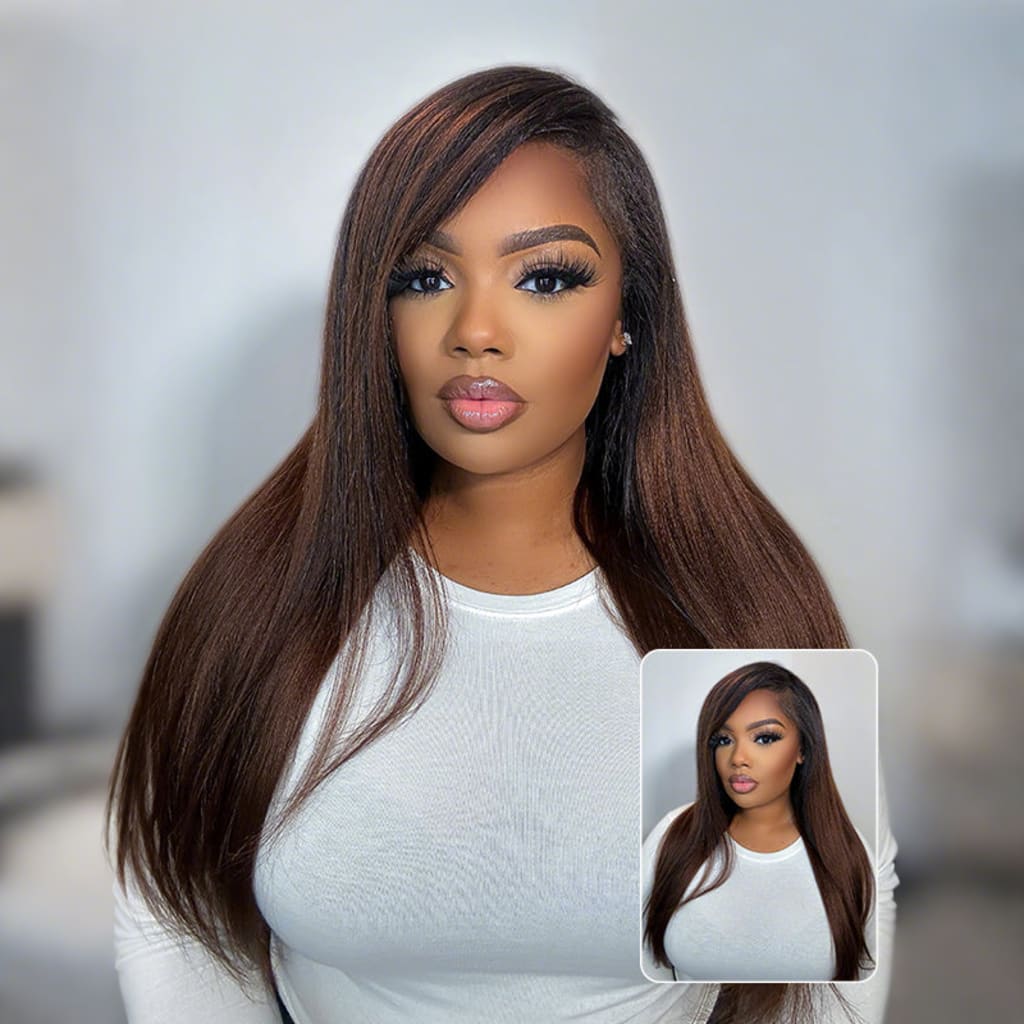
In today's fashion world, wigs (including extensions, hairpieces, and wigs) have become a common beauty accessory. For many Black women, wigs are an integral part of daily life. However, simply dismissing this as a matter of beauty or following trends ignores the complex historical context, cultural significance, and practical considerations behind it. Understanding this phenomenon requires us to delve into a story spanning centuries.
1. The Burden of History
Cultural Roots: Before slavery, hairstyles across Africa possessed a rich cultural language. Different braiding styles could represent a person's social status, marital status, ethnic affiliation, and even religious beliefs. Hair was a vehicle for identity and art.
Conforming to White Beauty Standards: After the abolition of slavery, many Black people felt compelled to conform their appearance—especially their hair—to European beauty standards (straight, smooth) in order to survive and find employment in a white-dominated society. Consequently, techniques like perms and hot comb straightening emerged, often at the cost of damaging the hair and scalp.
Therefore, wearing wigs historically solved their hairstyle challenges. However, over time, their significance has fundamentally shifted.
2. Modern Diversity of Choice: Freedom, Convenience, and Expression
Today, for the vast majority of Black women, wearing a wig is no longer a compromise forced by pressure, but an empowering, proactive choice. Key reasons for this include:
Ultimate Convenience and Efficiency
Natural Black hair (often referred to as "Afro-textured hair") is extremely tight and curly, dry and fragile, making it extremely time-consuming and labor-intensive to manage. Washing, conditioning, and styling can take an entire day.
Wearing a wig, especially a well-made Burmese curly wig from the wear and go glueless wigs series, can save significant time on daily grooming. Simply adjusting the wig in the morning and being out the door quickly is a tremendous relief for busy working women and mothers.
Great Styling Flexibility
A wig is like a "reusable wardrobe." Today, long, flowing hair can be straight, tomorrow, wavy, and the day after, a vibrant pink bob.
This ability to be versatile, without commitment or damage to one's hair, allows Black women to freely explore different styles, adapting to trends or expressing their own moods – a true expression of creativity.
A Key Strategy for Protecting Natural Hair
"Protective styling" is a core concept in Black haircare culture. Frequent perming, straightening, braiding, or using heat tools can damage fragile natural curls, leading to breakage and hair loss.
Wearing a high-quality wig acts as a protective shield for one's natural hair. Under the wig, women can braid their hair into cornrows or twists, deeply nourishing it and allowing it to grow healthily without external interference.
Cultural Identity and Self-Declaration
With the rise of the "Black is Beautiful" movement and the natural hair movement, more and more Black women are embracing their natural curls. However, it's important to note that wearing a wig and embracing one's natural hair are not mutually exclusive.
Many women freely switch between the two, depending on their situation: proudly displaying their Afro or cornrows in some occasions, opting for a wig in others. The power of choice itself is the greatest freedom and statement. It signifies "my hair, my own decision," freed from any single societal standard.
3. Beyond Stereotypes: Understanding and Respect
When considering Black women wearing wigs, we need to avoid several common misconceptions:
This is not "deception": Wigs, like makeup, high heels, and fashion, are a tool for self-beautification. They should not be stigmatized as "inauthentic."
This is not about "low self-esteem": On the contrary, for many, controlling their image through wigs is a sign of confidence and strength.
This is not inconsistent with the natural hair movement: together, they constitute a spectrum of hair choices for Black women, showcasing their diversity and autonomy in personal expression.
Conclusion
Black women wearing wigs is a complex issue that blends historical trauma, cultural resurgence, pragmatism, and personal empowerment. The next time we see a Black woman wearing an exquisite wig, we're not just seeing a hairstyle; we're likely seeing a history of silence, a savvy haircare strategy, a sense of calm amidst a busy life, and an unfettered, free soul. Respecting this diversity of choices is the most basic understanding and respect for the individual.
About the Creator
Keep reading
More stories from manman zhai and writers in Styled and other communities.
The Day the Right Diamond Finally Sparkled
A Search That Seemed Simple The appointment had already been rescheduled twice. The process of selecting a diamond ring turned into a simple task which required customers to choose their desired carat weight and verify the diamond's color grade before making their ultimate purchase decision. The process started to develop into a more complex procedure.
By CEO A&S Developers5 days ago in Styled
Oval Cut Rings: Elegant Styles to Make Your Proposal Unforgettable
Have you ever wondered why some engagement rings seem to catch the eye more than others? Getting the right ring is a big step into the future. Although trends come and go, certain designs are just beautiful. One such special shape is the oval cut.
By Arfa Gravitya day ago in Styled


Comments
There are no comments for this story
Be the first to respond and start the conversation.