
Why Digital Fabrication Is the Future of the Textiles Industry: Innovations Reshaping Production and Sustainability
The Future of Textile Manufacturing: How Digital Fabrication is Revolutionizing the Industry

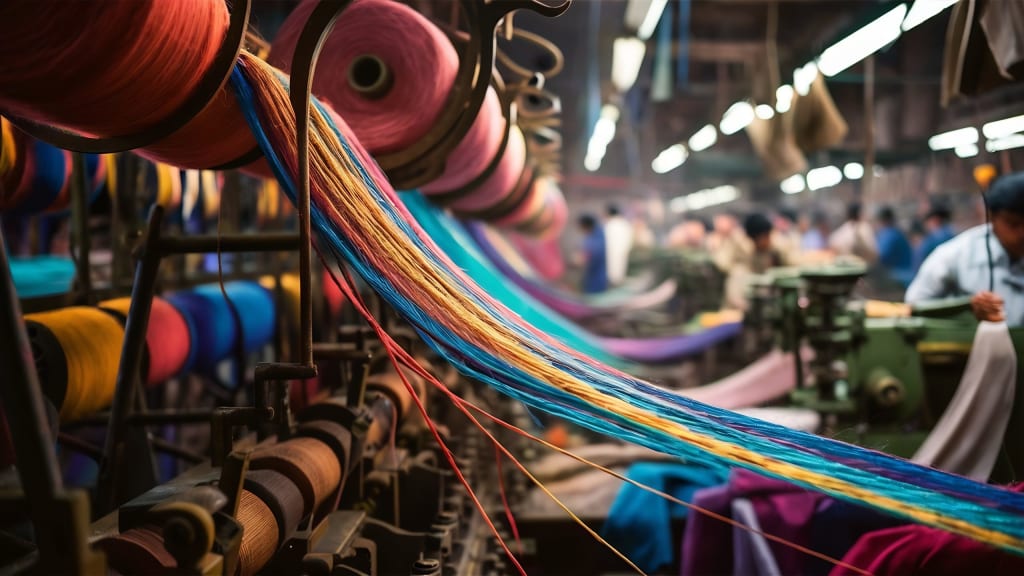
The textiles industry has long been driven by traditional manufacturing processes, but as the demand for efficiency, sustainability, and customization increases, digital fabrication is emerging as the future of textile production. Digital fabrication encompasses advanced technologies such as 3D printing, laser cutting, automated weaving, and AI-driven design, all of which are transforming the way fabrics are created, processed, and utilized. This shift is not only making production more precise and sustainable but also enabling greater creativity and personalization in the fashion and textiles industries.
1. Understanding Digital Fabrication in Textiles
Digital fabrication refers to the use of computer-controlled tools and automated processes to create textiles. Unlike traditional manufacturing, which relies heavily on manual labour and mechanical processes, digital fabrication leverages advanced technologies to enhance precision, efficiency, and sustainability. Key methods of digital fabrication include:
- 3D Printing of Textiles – Creating fabric-like structures layer by layer using additive manufacturing.
- Laser Cutting and Engraving – Using high-precision laser beams to cut or engrave textiles without fraying or waste.
- Automated Weaving and Knitting – Machines programmed to produce complex patterns with minimal material waste.
- AI-Driven Design and Simulation – Digital tools that allow designers to test patterns and structures before physical production.
By integrating these technologies, the textiles industry is revolutionizing its approach to fabric production, reducing waste, and meeting consumer demands for personalization and sustainability.
2. The Impact of 3D Printing on Textile Innovation
3D printing has gained significant traction in the textiles industry as an innovative method of fabric production. Unlike traditional weaving or knitting, 3D printing allows for the creation of complex, customized designs with minimal material usage. Key benefits include:
- Waste Reduction – 3D printing is an additive process, meaning materials are only used where necessary, eliminating fabric scraps.
- Customization and Personalization – Consumers can design and print unique garments tailored to their measurements and preferences.
- Integration with Smart Textiles – 3D-printed textiles can incorporate electronic components, making way for smart wearable.
- On-Demand Manufacturing – Reduces the need for mass production, lowering overstock and minimizing fashion waste.
Brands like Adidas and Nike have already incorporated 3D printing in footwear, while experimental designers are pushing the boundaries with 3D-printed garments that blend fashion, technology, and sustainability.
3. Laser Cutting: Precision and Efficiency in Textile Production
Laser cutting is another game-changer in digital fabrication. Traditional fabric-cutting methods often lead to material waste and imprecise edges, whereas laser cutting offers:
- High Precision – Laser beams create clean, sealed edges, eliminating the need for additional finishing.
- Material Versatility – Works with a variety of textiles, including synthetic, natural, and composite materials.
- Speed and Automation – Reduces manual labour and speeds up production cycles.
- Sustainable Practices – Since the process does not require physical blades, there is minimal material waste.
Laser cutting is widely used in high-performance apparel, technical textiles, and custom-designed garments. This technology ensures efficiency while reducing the environmental impact of textile production.
4. Automated Weaving and Knitting: Reshaping Textile Manufacturing
The rise of automated weaving and knitting technologies is another step toward the future of digital fabrication. Unlike conventional textile production, which involves labour-intensive processes, automated looms and knitting machines allow for:
- Complex Pattern Creation – Digital programs control the design process, allowing for intricate and unique patterns.
- Reduced Material Waste – Machines optimize fabric use, minimizing excess material.
- Faster Production Cycles – Automation speeds up manufacturing, reducing lead times.
- Sustainability in Production – Many modern knitting techniques use zero-waste methods, such as 3D knitting, to create seamless garments.
Major brands like Unique and Nike are already leveraging automated knitting to create seamless, sustainable, and comfortable clothing.
5. AI-Driven Design and Virtual Prototyping
Artificial intelligence is playing a crucial role in digital fabrication by enhancing textile design and production processes. AI-driven tools can:
Predict Trends and Consumer Preferences – Analysing vast amounts of data to determine upcoming styles.
Optimize Material Use – Reducing waste by determining the most efficient cutting patterns.
Enable Virtual Sampling – Designers can create and test virtual garments before producing physical samples, reducing waste.
Improve Supply Chain Efficiency – AI-driven forecasting helps brands manufacture only what is needed, reducing overproduction.
Virtual prototyping, powered by AI, allows designers to see how a garment will fit and function before it is produced, leading to better decision-making and sustainability.
6. Sustainability Benefits of Digital Fabrication
Sustainability is a key driver behind the rise of digital fabrication in the textiles industry. Traditional textile production is resource-intensive, consuming large amounts of water, energy, and chemicals. Digital fabrication, on the other hand, offers:
- Lower Carbon Footprint – Automated and digital processes use less energy compared to traditional manufacturing.
- Waste Reduction – Technologies like 3D printing, laser cutting, and digital knitting minimize material waste.
- Eco-Friendly Materials – Digital fabrication allows for the use of recycled and biodegradable materials.
- Localized Production – Digital tools enable on-demand manufacturing closer to consumers, reducing transportation emissions.
As sustainability becomes a top priority for the fashion and textiles industries, digital fabrication presents an Eco-friendly alternative to conventional production methods.
7. The Role of Digital Fabrication in Customization and Personalization
One of the biggest advantages of digital fabrication is the ability to create customized and personalized products. Consumers today seek unique designs and perfect fits, which digital tools can deliver by:
- Offering Tailor-Made Garments – AI and 3D scanning allow brands to create custom-fit clothing without mass production.
- Enabling Direct-to-Consumer Manufacturing – Customers can design their own garments, reducing the need for overstock.
- Allowing for Interactive Fashion Experiences – Augmented reality (AR) and digital design tools let consumers visualize and customize clothing before purchase.
The rise of digital fabrication is shifting the industry from mass production to mass customization, allowing brands to better meet individual consumer needs.
8. Challenges and the Future of Digital Fabrication in Textiles
Despite its many advantages, digital fabrication still faces some challenges, such as:
- High Initial Investment Costs – Advanced machinery and software require significant upfront investment.
- Skill and Training Gaps – Workers need specialized training to operate digital fabrication tools.
- Material Limitations – While innovation is growing, not all fabrics are suitable for digital manufacturing.
- Scalability Issues – Some digital fabrication methods are not yet scalable for large-scale production.
However, as technology advances and costs decrease, digital fabrication is expected to become more widespread. The future of the textiles industry lies in the seamless integration of automation, AI, and sustainable practices to create innovative, high-quality fabrics with minimal environmental impact.
Conclusion
Digital fabrication is not just a trend—it is the future of the textiles industry. By adopting technologies like 3D printing, AI-driven design, laser cutting, and automated knitting, the industry is moving toward more sustainable, efficient, and customized production methods. As brands and manufacturers continue to embrace digital tools, the textiles industry will experience a shift toward smarter, greener, and more innovative production processes.
The future of fashion and textiles is digital, and companies that invest in these advancements will be at the forefront of a new era of textile manufacturing.
About the Creator
textilenews
publisher
Keep reading
More stories from textilenews and writers in Styled and other communities.
How AI-Powered Forecasting Is Helping the Apparel Industry Reduce Waste
The apparel industry has long struggled with overproduction, leading to significant waste, unsold inventory, and environmental damage. However, the integration of artificial intelligence (AI) in demand forecasting is revolutionizing the way brands predict trends, manage inventory, and minimize waste. AI-powered forecasting leverages vast amounts of data, machine learning algorithms, and predictive analytics to create more accurate demand predictions. This technology is not only reducing excess production but also improving profitability, sustainability, and overall efficiency in the fashion industry.
By textilenews11 months ago in Styled
Deepfake Maker Face Swap: How I Create Scroll-Stopping Content in Minutes Without Editing Skills
Face Swap Technology and the Rise of AI-Generated Visual Media Artificial intelligence has transformed the way digital content is created, shared, and experienced. One of the most widely discussed developments in recent years is the emergence of face swap and deepfake technology. Once limited to research labs and advanced visual effects studios, face swapping is now accessible through web-based platforms and consumer applications.
By Abbasi Publisherabout 13 hours ago in Styled




Comments
There are no comments for this story
Be the first to respond and start the conversation.