
What is the Meaning of Birthstones?
The origin of birthstones unravelled from history
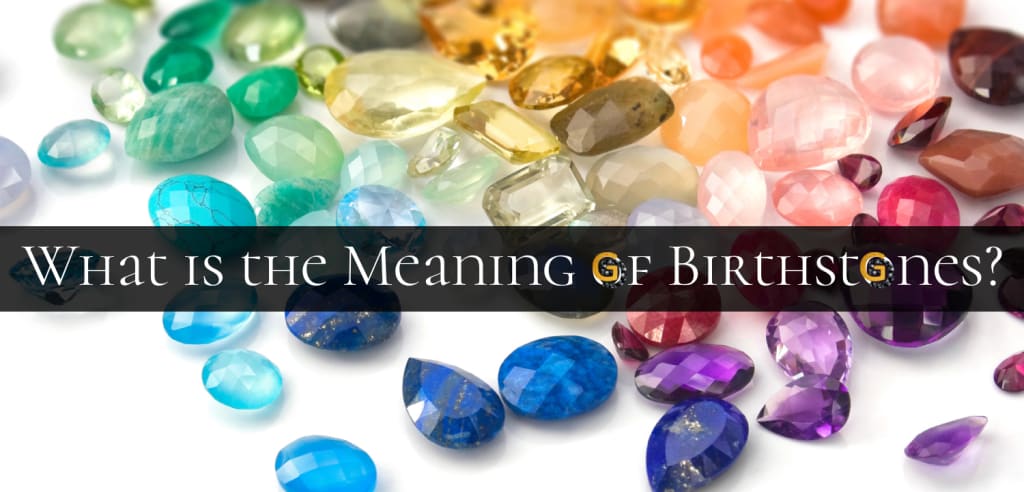
"Birthstones" refers to gemstones that are assigned to each month. The history of birthstones dates back to the BC era, and since ancient times, birthstones has been treasured by people as having their own powers and effects. Even today, it is believed that wearing a birthstone will bring happiness, and they are popular gemstones. We will introduce the history of how birthstones were created and how they have come to the present and what meaning each birthstone was named and created with.
Current birthstones
In 1912, the American Jewelers Association (now Jewelers of America) officially established "birthstones," and in 1952 they were revised to the current system. In Japan, the National Jewelry Wholesalers Association established birthstones in 1958. January is garnet, February is amethyst, March is aquamarine/coral, April is diamond, May is emerald/jade, June is pearl/moonstone, July is ruby, August is Peridot, September is sapphire, October is opal, November is topaz, December is turquoise, and coral and jade have been added as Japanese gemstones. Birthstones were also established in various countries such as England and France, and over time, people's preferences and jewelers' sales strategies were added to create the current "birthstones".
Meaning of Each Birthstone
January birthstone: Garnet
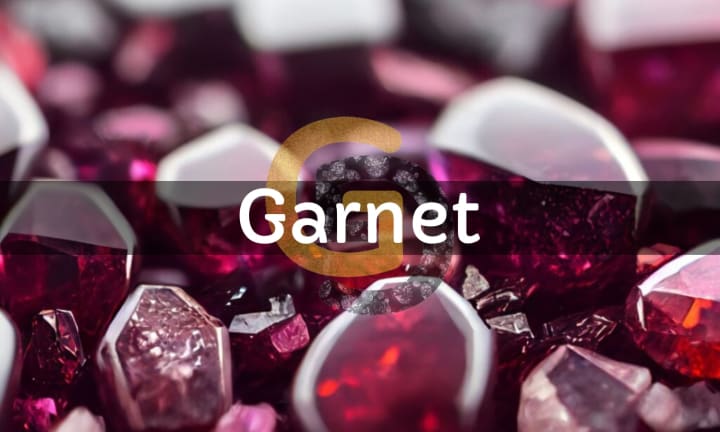
"Garnet" comes from the Medieval Latin word "granatus", which means the fruit "pomegranate". As its name suggests, it is a gemstone characterized by its Color like a ripe pomegranate. It is one of the oldest gemstones in history, and its Color means "passion", and the pomegranate symbolizes "fruit" and "vitality". Although red is famous, it is said to come in more than 30 different Colors, including green, pink, orange, and blue.
February birthstone: Amethyst
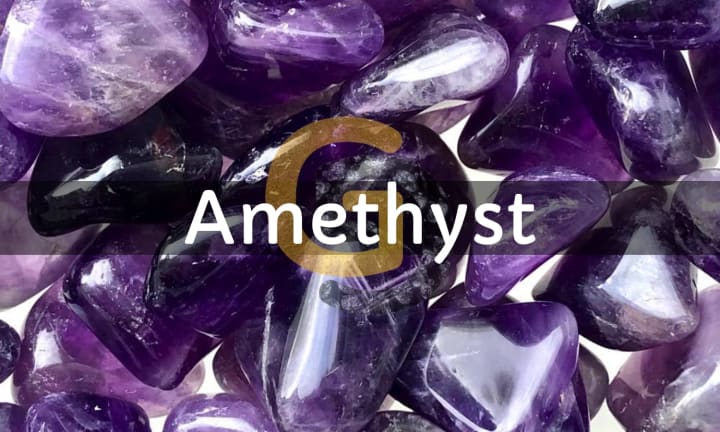
There are various theories about the origin of the name "amethyst." One theory is that it comes from the Greek word "Amethystos," which means "treatment for drinking too much and another is that it comes from "amethyst," a girl in Greek mythology who was turned into crystal by the mischief of Bacchus, the god of wine. Amethyst, which means "avoiding drunkenness," is said to clear the wearer's mind and give them the power to deal with things quickly. In Renaissance Europe, it was also believed to cool lovers' passion and calms them down.
March Birthstone: Aquamarine
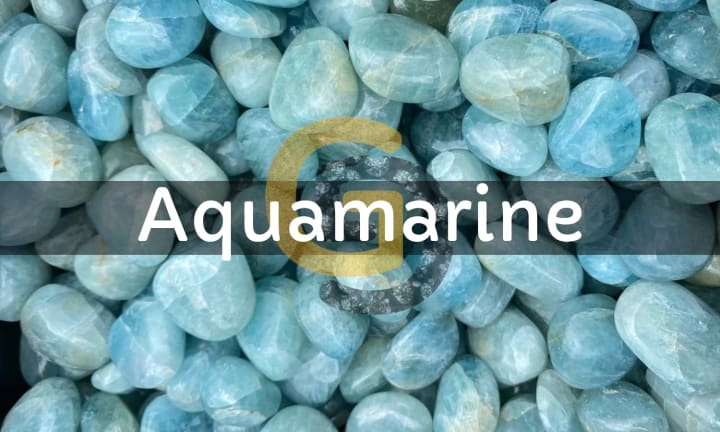
Aquamarine is a Union of the Latin words "aqua" meaning "water" and "marine" meaning "sea". Ancient sailors wore this gemstone as a talisman to calm the waves and pray for a safe voyage. It is also known as the "stone symbolizing a happy marriage" and is believed to catch moisture and abundance to the heart.
April Birthstone: Diamond
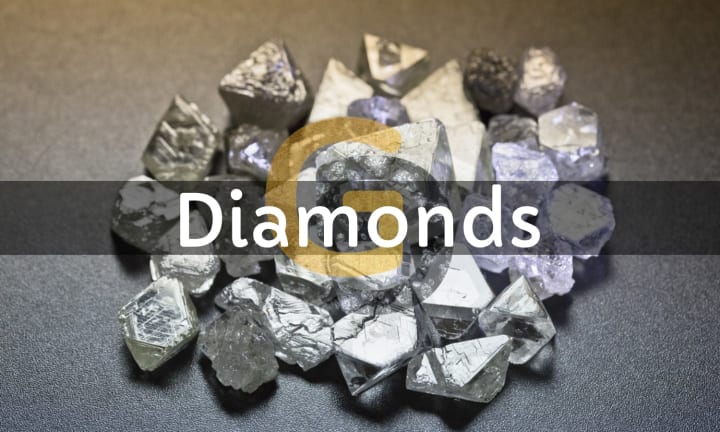
The word "diamond" comes from the Greek word "adamas", meaning "unyielding" or "invincible". A poet from the 2nd century claimed that diamonds, which boast the strongest hardness of 10 on the Mohs scale, can ward off disease, poverty, and death. For centuries, diamonds were thought to protect the wearer from plague and to represent longevity, strength, beauty, happiness, etc. Check Out Our Whole Extensive Moissanite Diamond Engagement Ring Collection for Reference.
May Birthstone: Emerald
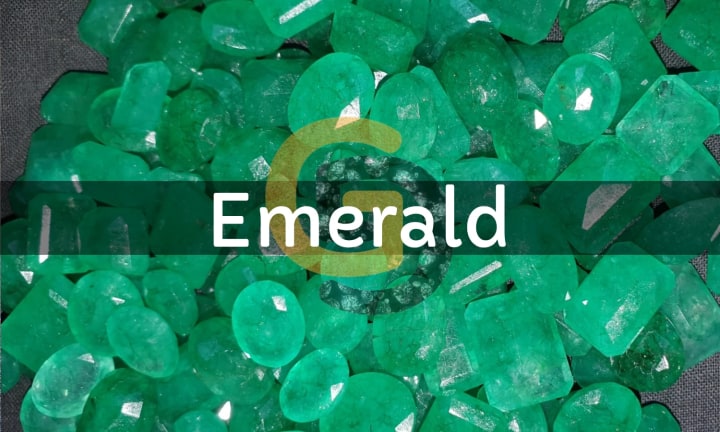
The word "emerald" comes from the ancient Greek word "smaragdos", meaning "green gemstone". Roman author Pliny Secundus wrote in his book "Natural History" that emeralds have healing powers. It has been believed since ancient times that their soft green Color can heal fatigue and lethargy.
June Birthstone
Moonstone
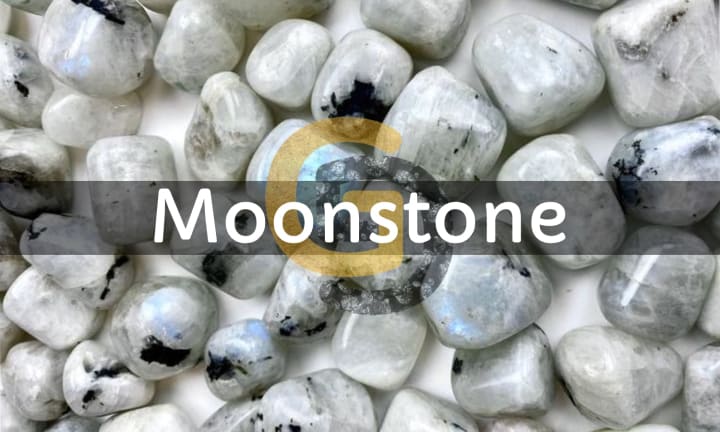
As its name suggests, there have been many legends related to the moon since ancient times. According to Hindu mythology, moonstones are said to be made from solidified moonlight, and in ancient Rome, it was believed that moonstones change shape according to the phases of the moon, and that the moon goddess Diana could be seen inside the stone.
Pearl
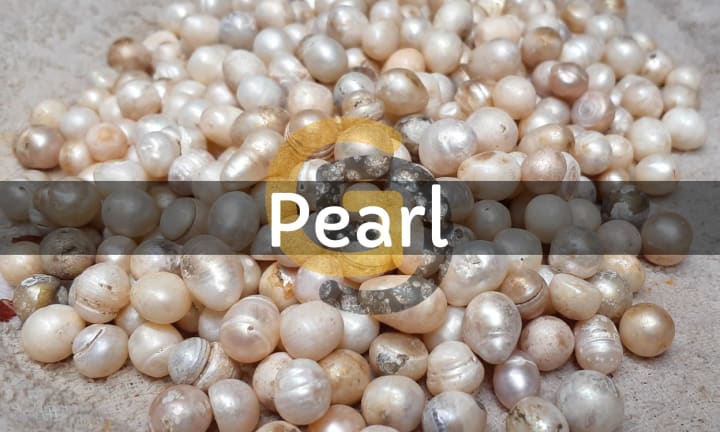
There are various theories about the origin of the word "pearl," including that it comes from the Latin "perla," meaning "pear," or "perna," meaning "bivalve." Due to its image of innocence, pearls are linked with purity, modesty, and chastity, and have the meaning of "adorable innocence."
Alexandrite

Alexandrite was discovered in the Ural Mountains in Russia in 1830 and was named after the heir to the throne, Alexander II. In Russia, it is called the "gem of the emperor" and is considered a noble gemstone. Its red and green Colors reflect the Colors of the military uniforms of Imperial Russia, making it a popular gemstone.
July Birthstone: Ruby
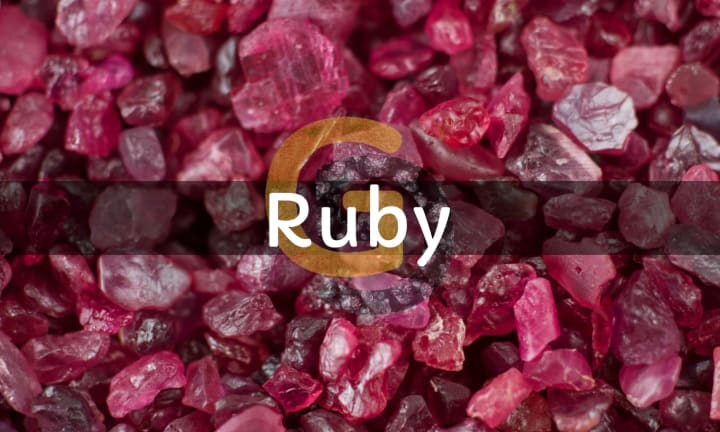
Ruby comes from the Latin "ruber," meaning "red." Because of its red Color, which is the Color of love and passion, it was associated with blood, the source of life, and was thought to give power, energy, and health.
Peridot
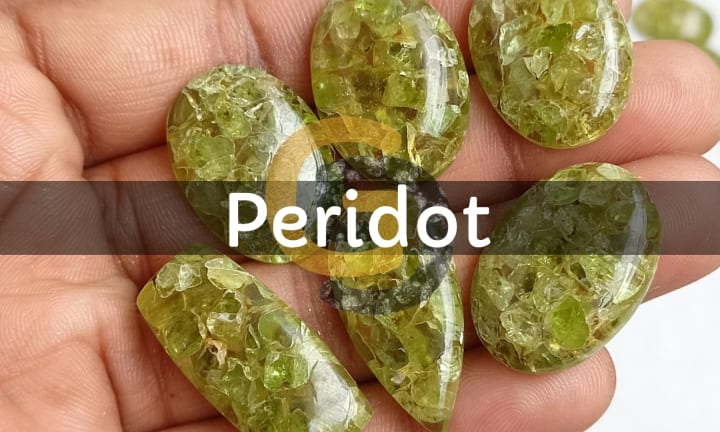
Peridot comes from the Arabic "faridat," which means "gemstone." The mineral name olivine comes from the Latin "Oliva," which means olive. It has been considered precious in many cultures since ancient and medieval times, and in medieval Europe it was used as a talisman to ward off evil spirits and night terrors in the Holy Grail and in churches.
Spinel
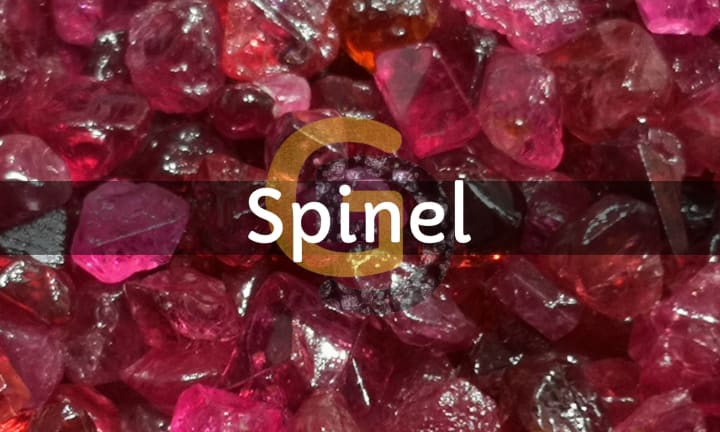
The name "spinel" comes from the Latin "Spina," which means thorn, due to its octahedral crystal shape. It was once mistaken for ruby or sapphire, and there are few historical records of spinel, but it is said that in the past, "black magicians" used it as a talisman to protect themselves from fire.
September Birthstone: Sapphire
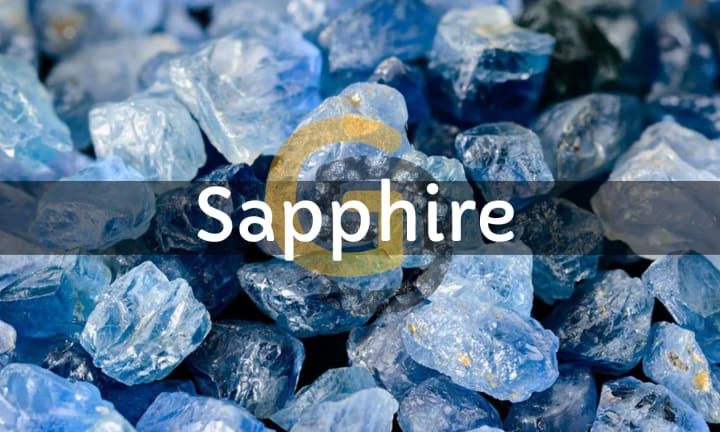
The word "sapphire" comes from the Greek word "sappheiros," which means "blue." It has been used for centuries as an accessory for the ceremonial robes of royalty and clergy as a symbol of sincerity and integrity. Among the nobles of ancient Greece and Rome, it was believed to protect its owner from harm and jealousy. It is said that medieval clergymen wore sapphires because they symbolized the heavens.
October Birthstone: Opal
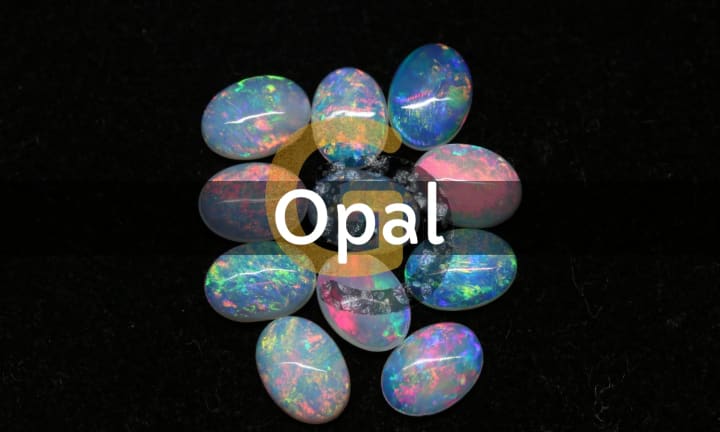
The word "opal" comes from the Latin "opalus," which comes from the Greek word "opallios," which means "to see a Swap of Color." The Greek word "opallios" is a variation of the ancient Indian Sanskrit word "upala" meaning "precious stone". In many cultures, opals are considered to have supernatural origins and powers, and are also considered the most auspicious and magical stone because they can see all Colors.
Tourmaline
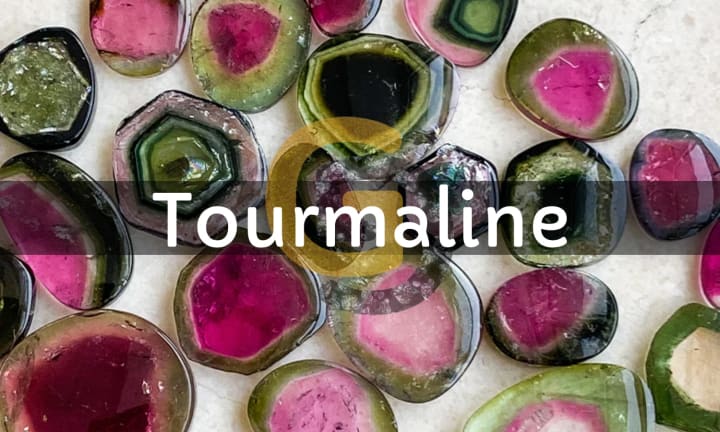
Tourmaline comes from the Sinhalese word "toramalli", which means "stone of mixed Colors". It was named this way because tourmaline crystals often have multiple Colors. Ancient mystics believed that tourmaline was the source of artistic expression because it was a gemstone that emitted various Colors.
November Birthstone: Topaz
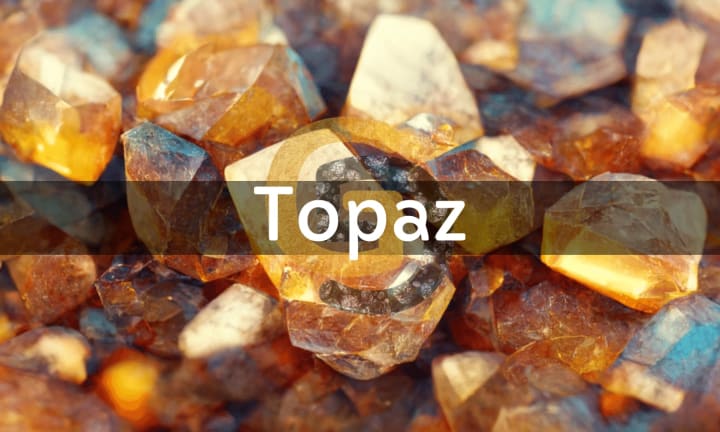
The word "topaz" is said to come from the Sanskrit word "tapas", meaning "fire", and the Greek word "topazos", meaning "to seek". The ancient Greeks believed that topaz gave power to the wearer. In Europe, from the 14th to the 17th century, topaz was believed to ward off magic and ward off anger.
December Birthstone
Turquoise
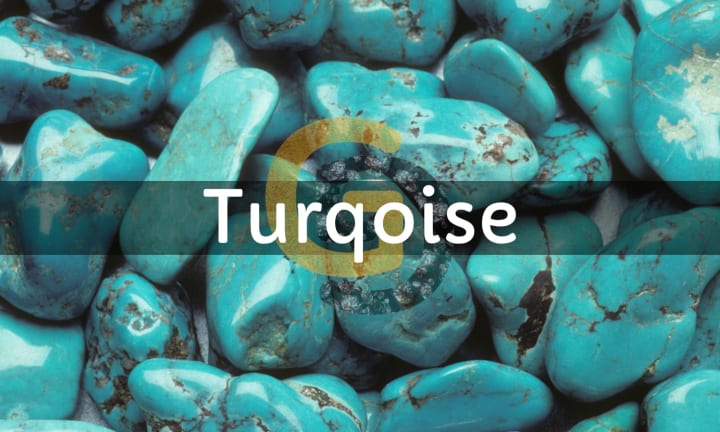
The word "turquoise" comes from the French "pierre turquoise," which means "stone of Turkey." In Europe, a turquoise ring is sent with the meaning "don't forget me." In Tibet, turquoise is considered a treasure and is believed to bring health and good luck and protect from evil.
Tanzanite
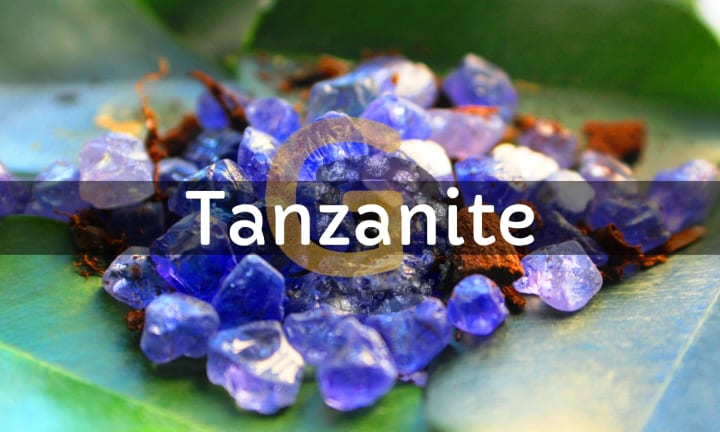
"Tanzanite" was named in honour of its place of origin, Tanzania. Recognized in the 20th century, this birthstone has a deep saturated pleochroism ranging from clear deep blue to purple, and became popular as a gemstone that throwback the "Tanzanian evening sky."
Zircon
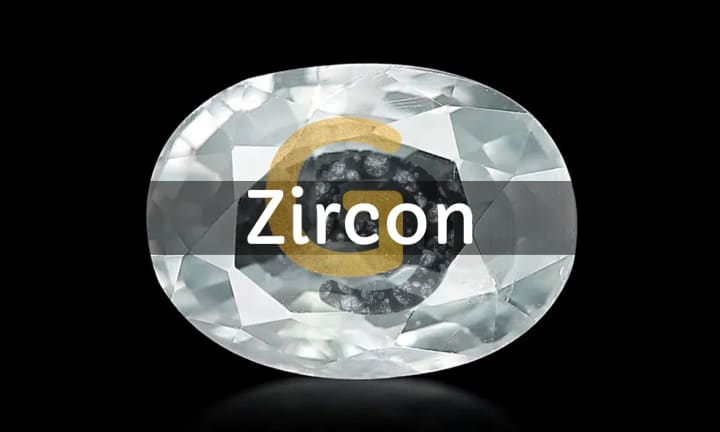
There are several theories about the origin of the word "zircon." It may come from the Arabic "zarkun" meaning "bright red" or "vermilion" or the Persian "zargun" meaning "golden." Either origin is plausible, given zircon's wide color range, which includes red, orange, green, and blue. In the Middle Ages, this December birthstone was thought to induce restful sleep and ward off evil spirits.
About the Creator
Keep reading
More stories from Rekhaben Lakhani and writers in Styled and other communities.
Comprehensive Guidance About the Diamonds
About Diamonds Today I would like to write about the king of gems, diamonds. Glazed Diamonds Focuses more on accessories, especially Silver accessories, rather than Jewelry, so there are fewer opportunities to use diamonds Compared to brands that specialize in solid Jewelry. However, they still naturally use diamonds in Wedding Rings, for Example, and they sometimes use diamonds even in custom-made Gold or Silver items.
By Rekhaben Lakhaniabout a year ago in Styled
Why Do Burmese Curly Bob Wigs Get A Hit?
Let me holler at my sistas real quick: If you’ve been in the wig game for a minute, you know not all units are created equal. I’ve cycled through synthetic wigs that tangled after two wears, Brazilian hair that shed like crazy, and lace fronts that gave me a headache from all the glue. But then I tried a Burmese curly bob wig—and honey, it was a game-changer. These days, every time I link up with my girls, half of us are rocking Burmese curly wig styles, and for good reason. Let’s break down why so many of us are obsessed with Burmese curly bob wigs, straight from someone who’s made them my go-to for work, dates, and everything in between.
By manman zhai7 days ago in Styled
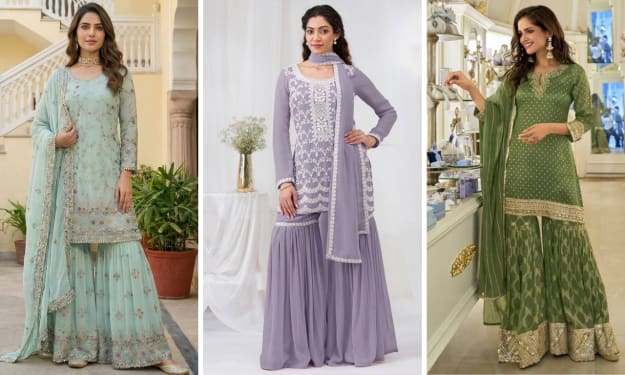
Eid Dressing Made Easy: Sharara Suits That Feel Light All Day
Eid is a long, beautiful day. From morning prayers and family visits to afternoon meals and evening gatherings, you’re on your feet, moving around, meeting people, and celebrating. That’s why, in 2026, women are choosing outfits that don’t just look festive, they feel easy from morning to night. And that’s exactly where sharara suits come in.
By Amit Mandal5 days ago in Styled



Comments
There are no comments for this story
Be the first to respond and start the conversation.