
What is the 4’c of Diamond?
What exactly is 4C's in diamonds
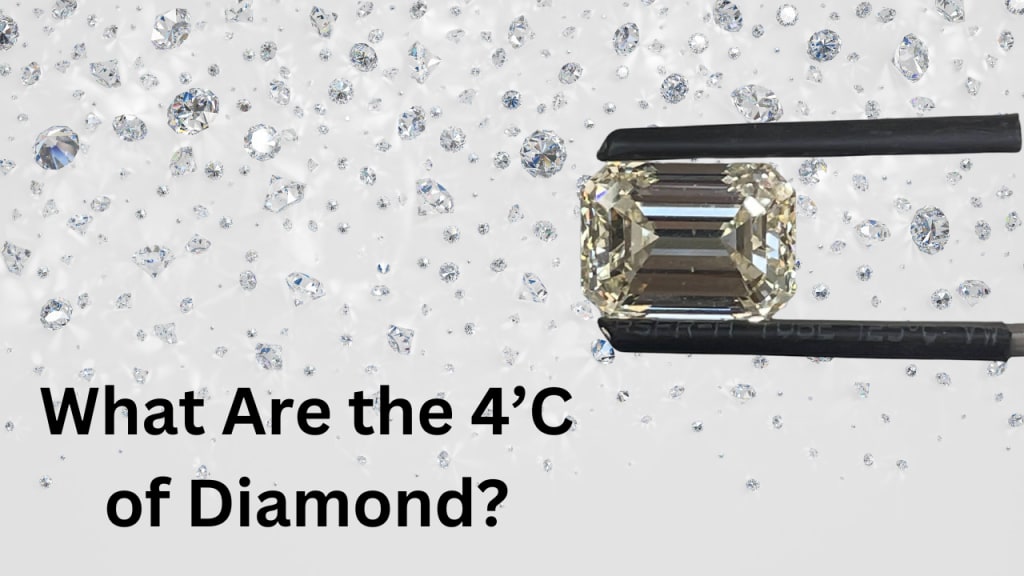
When purchasing a diamond, whether for an engagement ring or a special piece of jewelry, understanding what determines its quality and value is crucial. As a leading diamond manufacturer and trusted diamond supplier, we believe it's essential for consumers to be informed about the key factors that contribute to a diamond’s worth. This is where the 4 Cs come into play: Carat Weight, Cut, Color, and Clarity. In this guide, we'll delve into these aspects to help you make a more informed decision.
1. Carat Weight
Carat weight is one of the most well-known factors when evaluating diamonds. It refers to the size of the diamond, with one carat equaling 0.2 grams. Larger diamonds are rarer and, consequently, more valuable. For many, carat weight is the first thing they consider when buying a diamond, and it certainly impacts the overall price.
How It Affects Value
As a reputable diamond manufacturer, we know that carat weight is directly correlated with price. However, it’s important to remember that a larger carat weight doesn’t always mean a better diamond. The diamond's cut, color, and clarity all play significant roles in its overall value and appearance.
Examples
A 1-carat diamond will generally be more expensive than a 0.5-carat diamond, but the price difference is not always linear. A well-cut 0.75-carat diamond may appear more brilliant than a poorly cut 1-carat diamond.
2. Cut
Definition and Impact
The cut of a diamond refers to how well it has been shaped and faceted. This is not about the diamond’s shape (such as round or princess), but rather how the cut influences its brilliance and sparkle. The quality of the cut affects how light interacts with the diamond, impacting its overall beauty.
Types of Cuts
Common diamond cuts include the round brilliant, princess, emerald, and pear. Each cut has its unique way of showcasing the diamond’s brilliance. As diamond suppliers, we understand that a well-cut diamond maximizes its light reflection, making it appear more radiant.
Factors Influencing Cut Quality
Key elements influencing cut quality include symmetry, proportions, and polish. An ideal cut will balance these aspects to ensure the diamond achieves maximum brilliance and fire.
3. Color
Definition and Grading
Color refers to the hue of the diamond, with the most valuable diamonds being colorless. Diamonds are graded on a scale from D (colorless) to Z (light yellow or brown). As diamond manufacturers, we emphasize this scale's importance in determining the stone's quality.
Impact on Value
Color affects the diamond’s value significantly. A colorless diamond (D-grade) is generally more desirable and therefore more expensive than diamonds with visible hues. However, the best choice depends on personal preference and how the diamond's color complements its setting.
Examples
A diamond-graded D will have no noticeable color and will appear completely clear. In contrast, diamonds in the G-H range may show a slight hint of color, though this might not be apparent to the untrained eye, especially when set in jewelry.
4. Clarity
Definition and Grading
Clarity measures the presence of internal or external imperfections, known as inclusions and blemishes. The clarity scale ranges from Flawless (FL) to Included (I), with each grade indicating the visibility of these imperfections.
Impact on Appearance and Value
Higher clarity grades mean fewer imperfections and a clearer diamond. As diamond suppliers, we know that clarity impacts both the diamond’s visual appeal and its value. While Flawless diamonds are rare and highly sought after, diamonds with minor inclusions (such as those graded VS1 or VS2) can still be stunning and more affordable.
Examples
A Flawless diamond will have no internal or external imperfections visible under 10x magnification. In contrast, diamonds with an Included grade may have noticeable flaws, but these imperfections can be less visible in well-cut stones.
Tips for Choosing the Perfect Diamond
Choosing the perfect diamond involves a blend of knowledge and personal preference. Start by understanding the 4 Cs—Carat Weight, Cut, Color, and Clarity—which are essential for evaluating a diamond’s quality and value. Set a budget to guide your choices, and select a shape and setting that reflect your personal style and practical needs. Ensure the diamond is certified by a reputable gemological lab to guarantee its authenticity and quality. Purchase from established, trusted sources to avoid issues with ethics or quality. Finally, trust your instincts and choose a diamond that resonates with you or your loved one, ensuring it becomes a cherished symbol for years to come.
Conclusion
The 4 Cs—Carat Weight, Cut, Color, and Clarity—are the cornerstones of diamond evaluation. Understanding these factors can help you make informed decisions when purchasing a diamond. Whether you're working with a leading diamond manufacturer or sourcing from trusted diamond suppliers, knowing the importance of each C will ensure you choose a diamond that meets your standards and fits your budget.
About the Creator
Keep reading
More stories from writers in Styled and other communities.
What to Wear for Festive Gatherings: Green Salwar Kameez Ideas
Festive gatherings are those in-between moments that matter just as much as big weddings family get-togethers, poojas, festive dinners, community events, and celebrations where you want to look dressed up but still feel comfortable. That’s exactly why green salwar kameez has become such a popular choice for festive dressing. It feels fresh, celebratory, and versatile without being too loud or heavy.
By Amit Mandal3 days ago in Styled
Vampire Thriller “Sinners” Breaks Oscar Nomination Record
In a moment that has stunned Hollywood and redefined the boundaries of genre filmmaking, the vampire thriller Sinners has officially broken the Academy Awards nomination record. The dark, atmospheric film earned an unprecedented 16 Oscar nominations, making it the most-nominated movie in Academy history and the first vampire-centered film to dominate awards season on this scale.
By Salaar Jamaliabout 9 hours ago in Styled




Comments
There are no comments for this story
Be the first to respond and start the conversation.