
What Is Black and Grey Tattoo Style? Everything You Need To Know
Black and Grey Tattoos

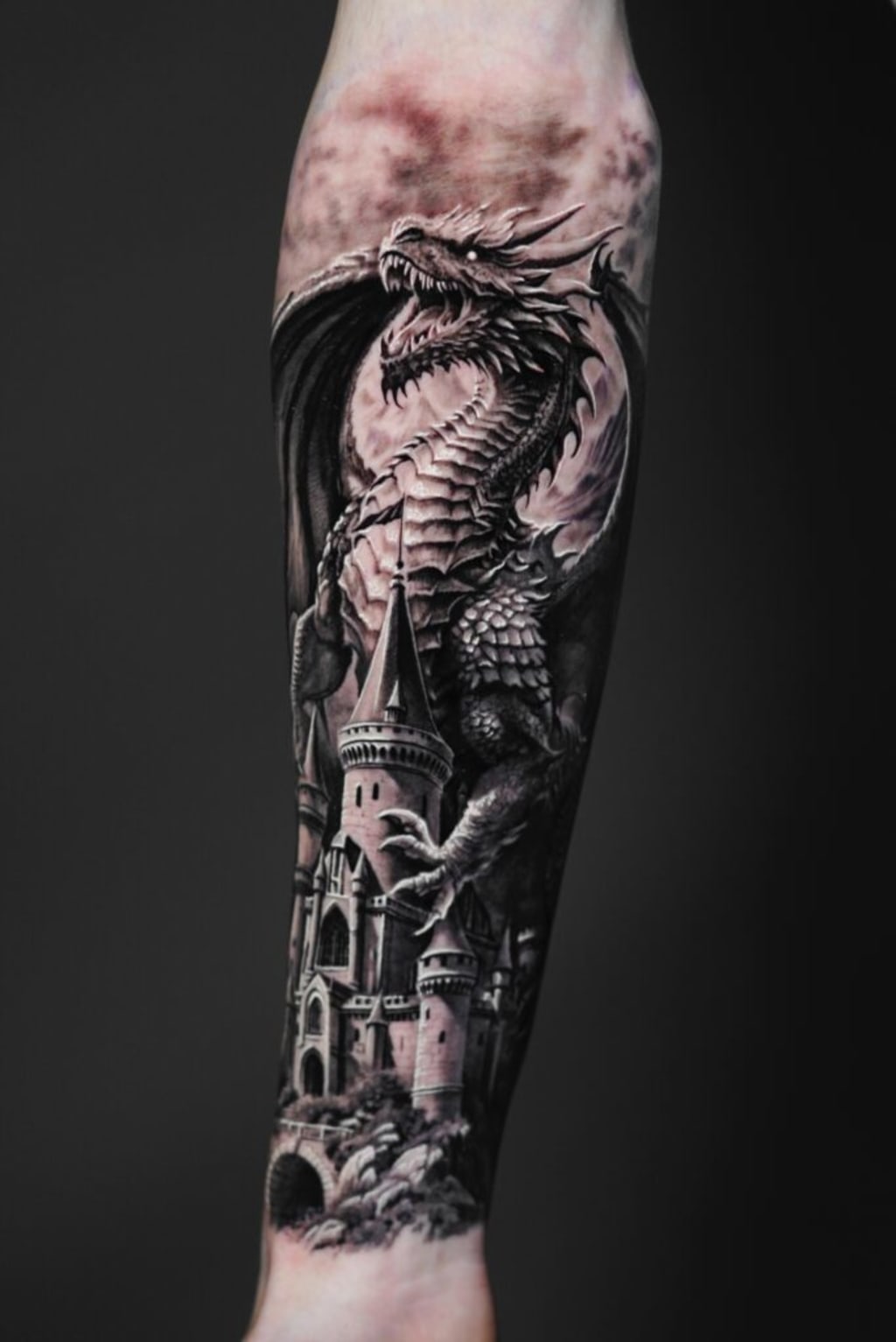
If you've ever scrolled through tattoo portfolios and stopped dead on a piece that looked like a pencil drawing brought to life on skin — smooth gradients, deep shadows, no color in sight — you were probably looking at black and grey work.
Black and grey is one of the oldest and most respected tattoo styles in the world. It relies entirely on black ink diluted to varying shades of grey to create depth, dimension, and realism without a single drop of color. The results can be stunning. But the technique behind it is completely different from what most people assume, and understanding how it works can help you make smarter decisions before you sit in the chair.
This guide covers where the style came from, how artists actually create those smooth gradations, what subjects work best, and how to find someone who can execute it properly.
Where black and grey tattoos actually came from
The style didn't start in a high-end studio. It started in prisons.
Back in the 1970s and '80s, inmates in California didn't have access to professional tattoo equipment or colored inks. They improvised — using guitar strings, sewing needles, and makeshift machines powered by small motors. The only ink available was black, and they diluted it with water or lighter fluid to get different shades.
What came out of that environment was a distinctive aesthetic: soft, smoky, almost photographic. Artists like Jack Rudy and Freddy Negrete took the style out of the prison system and into professional shops, refining the technique while keeping the look that made it unique. By the late '80s, black and grey had become its own legitimate genre.
Today it's one of the most sought-after styles globally. The tools have changed — rotary machines, distilled water for dilution, high-quality inks — but the core approach remains the same.
How the technique works (and why it's harder than it looks)
Most people think black and grey is just "tattooing without color." That's like saying watercolor painting is just "painting without oil." The skill set is fundamentally different.
Here's what's actually happening under the skin. Artists use a single black ink and dilute it to create a wash — a range of tones from nearly white to solid black. Some artists pre-mix several cups of wash at different dilution levels before a session. Others adjust on the fly, adding water as they go.
The magic is in the shading. Instead of packing color into the skin the way you would with a traditional tattoo, the artist uses a technique called "whip shading" or "pepper shading" to build up tone gradually. Needle groupings matter a lot here. Magnum needles spread ink more softly, while round shaders give tighter control in small areas.
Getting a smooth gradient — where dark fades seamlessly into light — takes a level of hand control that years of practice can't shortcut. One wrong pass and you get a blotchy patch instead of a clean transition. That's why finding an artist who specializes in this style matters more than with almost any other genre.
What subjects work best in black and grey
Not every design translates well into this style. Some subjects absolutely shine without color. Others lose their punch.
Black and grey excels at portraiture. The tonal range lets artists capture facial features, skin texture, and expression with a level of realism that color work often can't match. Religious imagery — crosses, praying hands, angels, the Virgin Mary — has deep roots in the style's Chicano origins and remains a staple.
It also works beautifully for nature scenes. Wolves, lions, roses, and skulls all pop in black and grey because the contrast between deep blacks and soft greys creates dramatic visual depth. Architectural subjects — old buildings, bridges, cityscapes — tend to look striking too.
Where it struggles: anything that depends on color for its identity. A koi fish without orange and gold can feel flat. A sunset without warm tones loses its emotional impact. That doesn't mean it can't be done, but the artist needs to compensate with extra contrast and creative composition.
A quick rule of thumb — if the subject looks compelling as a black-and-white photograph, it'll probably work as a black and grey tattoo.
Black and grey vs. other tattoo styles
People sometimes confuse black and grey with blackwork, but they're quite different. Blackwork uses solid black ink with no shading — geometric patterns, heavy linework, large filled areas. Black and grey is all about the gradients and soft transitions between tones.
It's also different from traditional (old school) tattooing, which relies on bold outlines and flat color fills. Black and grey pieces often have minimal or no outlines at all. The shapes are defined by contrast and shadow rather than hard lines.
Compared to color realism, black and grey realism trades vibrancy for mood. A color portrait might look like a photograph. A black and grey portrait looks like a photograph from a different era — moodier, more atmospheric. Neither is better. It's a matter of what you want the piece to feel like on your skin for the next several decades.
How to find the right artist for black and grey work
This is where people make the biggest mistakes. Not every tattoo artist can do black and grey well. A talented color artist might struggle with smooth grey washes. A great linework specialist might not have the shading chops.
When you're looking through portfolios, pay attention to the transitions. Zoom in on the healed photos, not just the fresh ones. Fresh tattoos always look good — the real test is how the gradients hold up after the skin has settled. Look for smooth blends with no hard lines where there shouldn't be any.
Ask about their dilution method. Artists who pre-mix their washes tend to get more consistent results, though some experienced artists prefer to mix live. Neither approach is wrong, but the artist should be able to explain their process clearly.
If you're based in Texas and specifically looking for someone who focuses on this style, checking lists of the best black and grey tattoo artists in San Antonio can be a solid starting point for vetting portfolios and reading client reviews before booking a consultation.
Don't rush the search. A mediocre black and grey tattoo is harder to fix than a mediocre color piece because the tonal work is so delicate. Getting it right the first time saves you money, pain, and disappointment.
Aftercare tips specific to black and grey tattoos
Aftercare for black and grey work follows the same general rules as any tattoo, but there are a couple of things worth noting.
Over-moisturizing can pull out the lighter grey tones during the healing process. Most artists recommend a thin layer of unscented lotion — emphasis on thin. Slathering on Aquaphor like sunscreen is one of the most common mistakes with this style specifically. The delicate wash work needs to set properly.
Sun exposure is the long-term enemy of black and grey tattoos. UV light breaks down the lighter grey tones faster than solid black, which means your smooth gradients can start looking patchy after a few years of unprotected sun. SPF 50 on any exposed tattoo isn't optional — it's maintenance.
Healing time is typically the same as any other tattoo: two to three weeks for the surface, a couple of months for the deeper layers to fully settle. During that window, the tattoo will look cloudy or milky. Don't panic. That's normal. The clarity comes back once the top layer of skin finishes regenerating.
Is black and grey the right choice for your next piece?
It depends on what you're after. If you want something moody, timeless, and dramatic — something that looks like fine art on your skin — black and grey is hard to beat. The style ages well when properly cared for, works on virtually every skin tone, and carries a history that gives it real weight in the tattoo world.
If you want bright, eye-catching color that draws attention from across the room, this probably isn't your style. And that's fine.
The best tattoo is the one that matches your vision, executed by an artist who genuinely specializes in the technique. Spend time looking at portfolios, ask questions about process, and don't settle for someone who "can do black and grey" when you could find someone who lives and breathes it. Your skin deserves that level of attention.
About the Creator
Hyper Inkers
Hyper Inkers is the Best tattoo shop in San Antonio, Texas.
Keep reading
More stories from Hyper Inkers and writers in Styled and other communities.
Is It Okay to Ice a New Tattoo? Your Ultimate Guide to Safe Healing and Aftercare
Yes, it is generally okay to ice a new tattoo, and it can be highly effective to manage the immediate swelling and pain. However, the key is to do it correctly to avoid damaging your new ink and the sensitive skin around it. Applying a cold compress can provide significant relief during the initial uncomfortable stages of the healing process. This guide will provide essential information about the right way to ice your tattoo, including the benefits, potential risks to avoid, and step-by-step instructions for safe application. Following these tips can help promote beautiful healing and reduce the risk of complications.
By Hyper Inkersabout a month ago in Styled
The Sparkle Edit: 7 Jewelry Trends to Fall in Love With This Valentine’s Day
The Sparkle Edit: 7 Jewelry Trends to Fall in Love With This Valentine’s Day Valentine's Day is just around the corner, and while flowers and chocolates are always a treat, there’s something truly special about a piece of jewelry. It's a lasting token of affection, a tangible reminder of love, and let's be honest – it adds a delightful sparkle to any day.
By Fashion World6 days ago in Styled



Comments
There are no comments for this story
Be the first to respond and start the conversation.