
Traditional Bavarian Fashion for Women: Everything You Need to Know
A timeless tradition, stitched in every seam
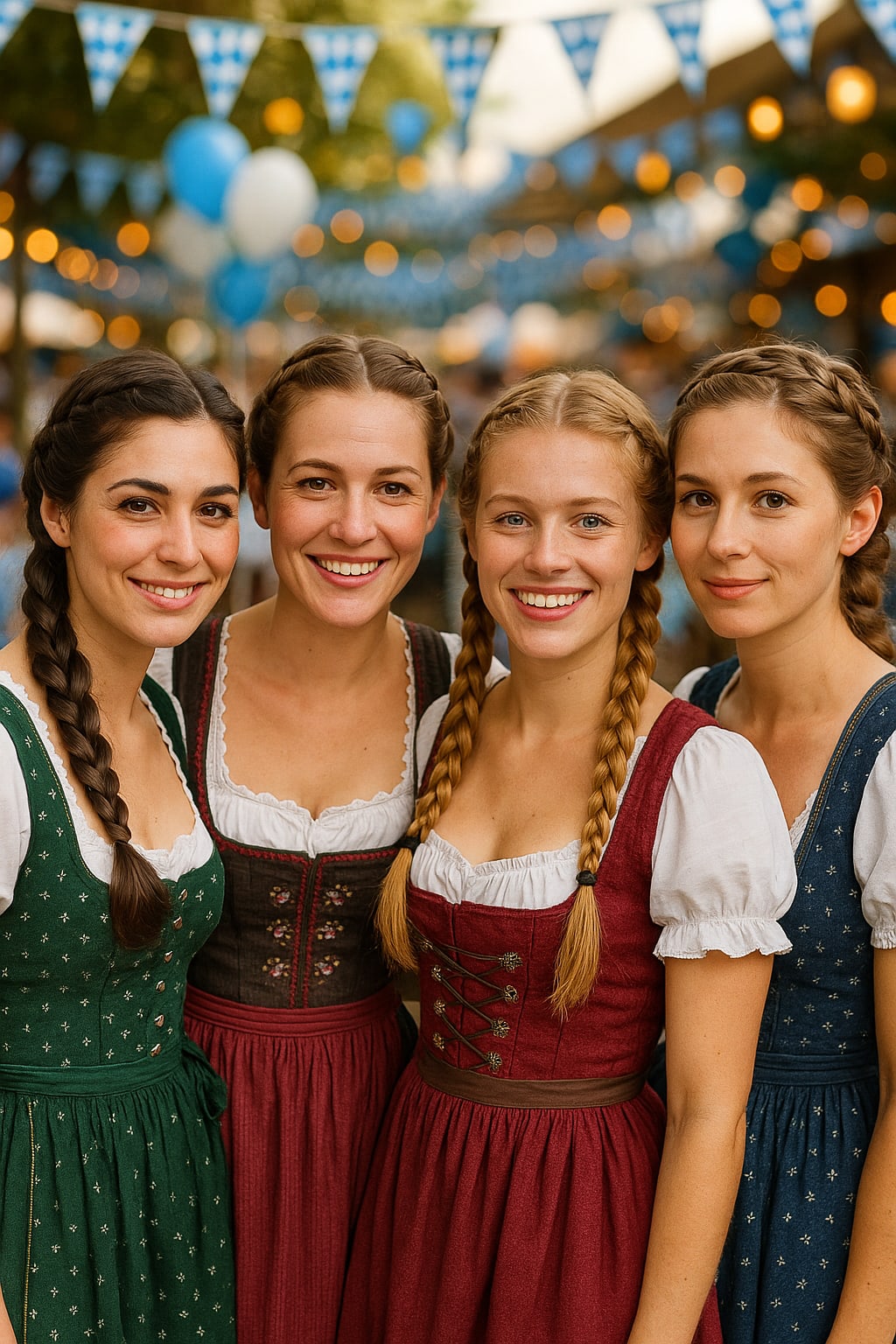
Traditional Bavarian fashion for women is all about the dirndl (a dress full of history and meaning). From how you tie the apron to new modern styles, it’s a mix of tradition, pride, and personal style.
Traditional Bavarian fashion for women centers around the dirndl, a form-fitting dress known for its classic lines and feminine silhouette. But it is a cultural identity worn with pride. A typical dirndl consists of:
- A fitted bodice (often embroidered or laced)
- A blouse (usually white and cropped with puffed sleeves)
- A wide skirt (pleated or flared)
- An apron (tied in a specific way to indicate relationship status)
These elements come together to form an unmistakably Bavarian look. Worn during folk festivals like Oktoberfest, local weddings, and even casual events in rural towns, the dirndl speaks to heritage, hospitality, and celebration.
Why Are Dirndls Still So Popular Today?
Dirndls haven’t vanished into history books. They’ve only grown more expressive. From high-end fashion runways in Munich to vintage stalls in small Alpine villages, the dirndl has evolved with the times. Women choose to wear it today for several reasons:
Cultural connection – It’s a symbol of regional pride.
Occasion wear – Perfect for festivals and family gatherings.
Versatile styling – Modern dirndls come in velvet, lace, denim, and even leather.
Some women collect dirndls the way others collect handbags. With seasonal releases from Bavarian designers, the fashion world meets folk heritage every year in a flurry of lace, silk, and hand-stitched embroidery.
How Has the Dirndl Changed Over Time?
The dirndl originated as workwear for Alpine servants and maids in the 19th century. Simple cotton fabrics, longer hemlines, and modest designs defined its early form. Over the decades, it transformed in stages:
- Early 1900s: Became a national costume during German Romanticism.
- Mid-20th century: Adopted by urban women at folk festivals.
- Modern era: Seen as a fashion statement, worn by celebrities and influencers.
Today you can find dirndls made from fancy silk or eco-friendly cotton. The shape stays traditional but the colors and designs have changed with time.
What Should You Know About Apron Ties and Their Meanings?
In Bavaria, apron ties are more than decoration; they speak without saying a word. The position of the knot on a woman’s dirndl apron can reveal her relationship status:
Tied on the right: Taken or married
Tied on the left: Single and available
Tied in the center: Virgin or modest
Tied at the back: Widow or waitress
Wearing your apron knot incorrectly at Oktoberfest can lead to some awkward misunderstandings. Locals pay attention to these details, so it’s worth getting it right.
Do Accessories Play a Role in Bavarian Fashion?
Absolutely! Traditional Bavarian women’s fashion thrives on the right details. A simple dirndl can transform entirely based on the chosen accessories:
Charivari – A silver chain worn across the bodice, often with charms
Trachten jewelry – Typically floral, made from materials like antlers or pewter
Hairstyles – Braided crowns and flower wreaths are popular
Bags – Leather clutches or embroidered cross-body bags
Footwear – Mary Janes, ankle boots, or classic pumps
These finishing touches are often handcrafted, passed down through generations, and sometimes more expensive than the dress itself.
Are There Regional Differences in Women’s Tracht?
Yes, just like accents vary across Germany, so do traditional styles. Bavaria itself is made up of several regions, and each has subtle but meaningful differences:
Upper Bavaria : Deep greens, velvet bodices, gold threading
Franconia : Red skirts, delicate embroidery, and symbolic apron motifs
Allgäu : Plain fabrics, earth tones, functional for Alpine climates
Chiemgau : Lace blouses, soft pastels, and more elegant presentation
Some families even have custom-made dirndls designed to their heritage. This makes every garment a personal story stitched into history.
Is Traditional Bavarian Fashion Only for Oktoberfest?
No, while Oktoberfest is the most visible event where dirndls and tracht are worn, they’re not limited to beer tents and bratwurst. Many Bavarian women wear dirndls:
- During church festivals
- At local markets
- For weddings and christenings
- On national holidays
In rural towns, older women might wear a tracht more regularly, even as everyday clothing. In the cities, it’s more about special occasions, but the pride remains the same.
How Do Modern Designers Approach Bavarian Women’s Fashion?
Today’s designers are merging tradition with innovation. Some examples include:
Lena Hoschek – Known for retro-inspired dirndls with modern flair
CocoVero – Popular for their minimalist dirndl lines
Kinga Mathe – High-end takes with silk, fur, and leather details
Designers have started to incorporate bold prints, edgy accessories, and even crop-top blouses. But even with all the glamour, they rarely lose sight of their original roots.
Can You Wear Traditional Bavarian Fashion if You're Not German?
Yes, and many do. The dirndl is for anyone who wants to celebrate Bavarian culture respectfully. A few tips:
- Choose quality over costume – Avoid cheap Halloween versions
- Learn the apron tie etiquette
- Stick to classical colors or traditional cuts if unsure
- Enjoy the spirit of the festival, warmth, hospitality, and good cheer
Locals appreciate visitors who make an effort to dress properly. It shows cultural appreciation, not appropriation.
How Does Wearing a Dirndl Make Women Feel?
Here’s where stories begin. Many women describe a transformative moment when they wear a dirndl for the first time. The fitted bodice and flared skirt create an instant sense of elegance and confidence. You feel dressed with purpose, as if stepping into a world where tradition and beauty go hand-in-hand.
For some, it’s a connection to ancestors. For others, it’s a joyful break from fast fashion. And for many tourists, it’s a way to experience Bavarian charm, one lace-trimmed seam at a time.
Final Words
Traditional Bavarian fashion for women is far more than a pretty dress. It's a tapestry of history, pride, symbolism, and celebration. From the folds of the apron to the shine of a silver charm, every part tells a story (a story still being written today).
About the Creator
Diamond Market Size and Forecast 2025–2033
Introduction The global diamond industry stands at the intersection of tradition, innovation, and evolving consumer values. Long regarded as a symbol of wealth, love, and permanence, diamonds continue to occupy a central position in the luxury goods sector while simultaneously gaining prominence in advanced industrial applications. According to Renub Research, the Diamond Market is expected to reach US$ 54.67 billion by 2033, up from US$ 40.08 billion in 2024, growing at a CAGR of 3.51% during 2025–2033.
By jaiklin Fanandish5 days ago in Styled
Top 10 Tigre Rosa Heels Loved by Fashion Influencers in 2026
Dubai’s fashion landscape in 2026 is all about statement design, craftsmanship, and meaningful luxury, and no brand captures this spirit quite like Tigre Rosa. Blending Italian artisanal footwear with symbolic aesthetics, Tigre Rosa heels have become a must-wear among fashion influencers, style icons, and trendsetters not just in the UAE — but across the global fashion scene.
By tigrerosaofficial4 days ago in Styled
Miss Persephone's Manual to a Seemingly Ordinary Life
Miss Persephone was found at the dining table, her blue eyes swollen, her tears arriving and retreating like the tides of the ocean. Earlier that day, her family had visited her in the retirement home where she had lived for eight years. It was her eightieth birthday.
By Imola Tóth3 days ago in Fiction



Comments
There are no comments for this story
Be the first to respond and start the conversation.