
Top 5 Clothing Industry Trends To Watch This Year
From Sustainability to the Metaverse: How Innovation, Inclusivity, and Personalization Are Redefining the Future of Fashion in 2025

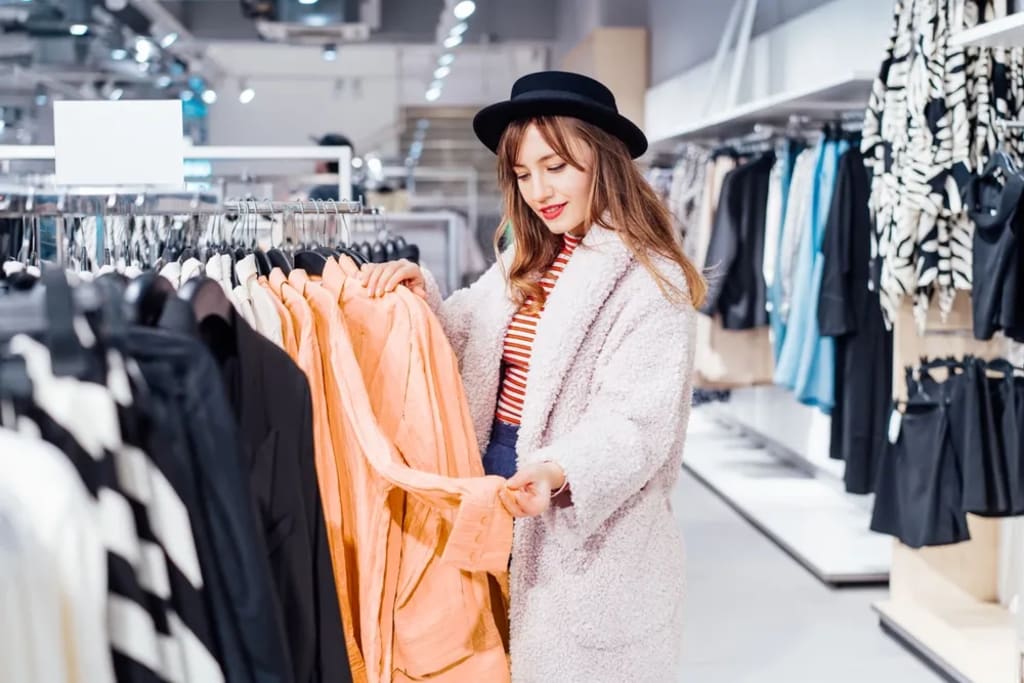
The clothing industry is one of the fastest-evolving sectors, influenced by consumer behaviour, technological advancements, environmental concerns, and global market shifts. With fashion becoming more digitized, sustainable, and personalized, brands must stay agile to adapt to new demands. From innovative production processes to cultural changes in consumer expectations, this year promises to be transformative. In this comprehensive guide, we’ll explore the Top 5 Clothing Industry Trends to Watch This Year, providing insights into what's driving them and how they’re reshaping the future of fashion.
1. Sustainability Takes Centre Stage
Sustainability is no longer a buzzword—it's a fundamental shift in how fashion is being produced and consumed. Consumers, especially Gen Z and Millennials, are prioritizing eco-conscious choices, and brands are responding with green innovations.
- Eco-Friendly Materials: There’s a noticeable shift toward using organic cotton, recycled polyester, hemp, bamboo, and other sustainable fibbers. Brands are investing in biodegradable and regenerative materials that reduce environmental impact.
- Circular Fashion: Circularity is gaining traction, where clothes are designed for reuse, repair, and recycling. Companies are launching take-back schemes, rental services, and resale platforms to extend the life cycle of garments.
- Transparency and Traceability: Customers want to know where their clothes come from. Blockchain and QR-code technology are being used to track the entire lifecycle of garments, ensuring ethical sourcing and manufacturing practices.
- Carbon-Neutral Goals: Many major fashion houses and fast-fashion companies are committing to carbon-neutral targets by reducing emissions, using renewable energy in production, and offsetting carbon footprints.
2. Digital Fashion and the Rise of the Metaverse
Digital technology is blurring the lines between physical and virtual fashion. The rise of the metaverse, NFTs, and augmented reality (AR) is creating new ways for consumers to engage with clothing—beyond just wearing it.
- Virtual Clothing and NFTs: Digital fashion items, which exist only online, are becoming valuable assets in gaming, social media, and virtual platforms. Brands are launching NFT collections, virtual outfits, and fashion drops for avatars.
- Augmented Reality Fitting Rooms: AR fitting technology allows customers to try on clothes virtually using their smartphones or in-store smart mirrors, enhancing the shopping experience and reducing returns.
- Fashion in Gaming: Collaborations between fashion brands and gaming platforms like Fortnite and Roblox are booming. Virtual fashion shows and branded skins are becoming a new frontier for marketing and brand exposure.
- AI-Generated Designs: Artificial Intelligence is helping designers create virtual garments, predict trends, and even personalize items for consumers—reducing waste and improving efficiency.
3. Gender-Inclusive and Adaptive Fashion
Diversity and inclusivity are no longer optional—they are expected. Fashion is becoming more fluid, accessible, and representative of different body types, gender identities, and abilities.
- Genderless Collections: Many brands are moving toward unisex designs, eliminating traditional gendered lines. This reflects evolving societal attitudes toward gender and appeals to younger consumers who value self-expression over labels.
- Adaptive Clothing: Designed for people with disabilities, adaptive clothing includes features like magnetic closures, adjustable seams, and sensory-friendly fabrics. Big brands are beginning to create inclusive lines that offer style and comfort for everyone.
- Extended Sizing: The call for size inclusivity has pushed brands to offer extended sizing ranges. Instead of token plus-size options, brands are now integrating broader size availability as a standard practice.
- Inclusive Campaigns: Representation matters. Brands are featuring models of all shapes, sizes, races, genders, and abilities in their marketing, shifting the narrative of what beauty and fashion look like.
4. On-Demand and Personalized Fashion
Today’s consumers want something unique—something that feels tailor-made. On-demand fashion is answering that call by combining customization with just-in-time production to create items that meet individual tastes without overproduction.
- Customization Tools: Brands are offering online customization platforms where shoppers can select fabrics, colours, patterns, and even add personal messages or initials to their garments.
- AI-Powered Style Suggestions: Machine learning is being used to recommend clothing based on a user’s preferences, past purchases, and even social media behaviour—leading to more relevant and satisfying shopping experiences.
- Print-on-Demand Manufacturing: Digital printing technology allows brands to create clothing only when an order is placed, drastically reducing excess inventory and promoting sustainability.
- Localized Production: Brands are decentralizing manufacturing by using micro-factories close to consumer markets. This shortens delivery times and supports local economies.
5. Tech-Integrated and Performance Wear
Functionality and fashion are no longer at odds. Consumers are looking for garments that serve multiple purposes—style, performance, comfort, and technology.
- Wearable Technology: Clothing embedded with sensors and smart textiles is entering mainstream markets. These can track health metrics, change temperature, or even charge devices.
- Athleisure Evolution: The athleisure trend continues to grow, with more refined, stylish designs that can transition from gym to office to casual wear. The focus is on versatility and comfort.
- Moisture-Wicking and UV-Protection Fabrics: These features, once exclusive to sportswear, are becoming common in everyday wear. Consumers want clothes that respond to their environment and enhance their lifestyles.
- Anti-Microbial and Self-Cleaning Materials: Innovations in fabric technology are leading to garments that stay fresh longer, requiring fewer washes and conserving water and energy.
Conclusion: The Future Is Fast, Fluid, and Focused on the Consumer
The clothing industry in 2025 is dynamic, driven by technology, personalization, and a global push toward ethical and sustainable practices. Brands that embrace these trends are not just staying current—they’re future-proofing their businesses.
From the digital fashion boom to the rise of inclusive and sustainable clothing, the modern fashion landscape is being rewritten. The consumer is no longer just a buyer; they’re a co-creator, a critic, and a conscious contributor. As these five trends continue to gain momentum, the companies that remain flexible, transparent, and innovative will be the ones that define the next generation of fashion.
Whether you're a designer, retailer, or enthusiast, keeping an eye on these clothing industry trends will help you stay ahead in an industry that never stands still.
About the Creator
textilenews
publisher
Keep reading
More stories from textilenews and writers in Styled and other communities.
The Clothing Industry in 2025: Innovation, Impact, and What’s Next
The clothing industry is undergoing one of its most transformative periods in history. In 2025, innovation is not just a trend but a necessity—shaped by technological advancement, environmental urgency, and shifting consumer demands. From smart fabrics and AI-powered production to sustainability and ethical practices, the fashion and apparel sector is redefining itself. This comprehensive overview explores the key innovations driving the industry, their societal and environmental impacts, and what lies ahead for clothing in the near future.
By textilenews9 months ago in Styled
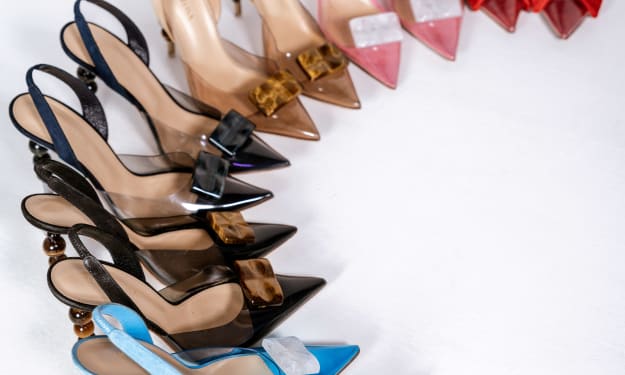
Top 10 Tigre Rosa Heels Loved by Fashion Influencers in 2026
Dubai’s fashion landscape in 2026 is all about statement design, craftsmanship, and meaningful luxury, and no brand captures this spirit quite like Tigre Rosa. Blending Italian artisanal footwear with symbolic aesthetics, Tigre Rosa heels have become a must-wear among fashion influencers, style icons, and trendsetters not just in the UAE — but across the global fashion scene.
By tigrerosaofficial4 days ago in Styled
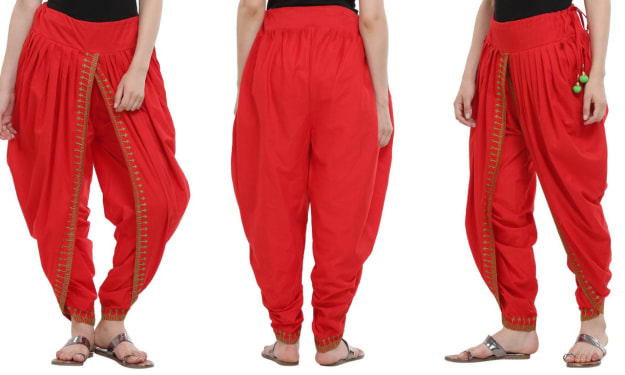
Dhoti Salwar for Haldi, Mehndi & Pre-Wedding Functions
Pre-wedding functions like haldi and mehndi are all about colour, movement, and comfort. These are the events where you sit on the floor, laugh a lot, get your hands painted, and stay dressed for hours. That’s exactly why, in recent years, dhoti salwar has become a favourite choice for these celebrations. It offers the festive feel of ethnic wear while staying easy to move in something every haldi and mehndi outfit should do well.
By Amit Mandal2 days ago in Styled


Comments
There are no comments for this story
Be the first to respond and start the conversation.