
The Clothing Industry in 2025: Innovation, Impact, and What’s Next
How Innovation, Sustainability, and Ethics Are Reshaping Fashion in 2025 and Beyond

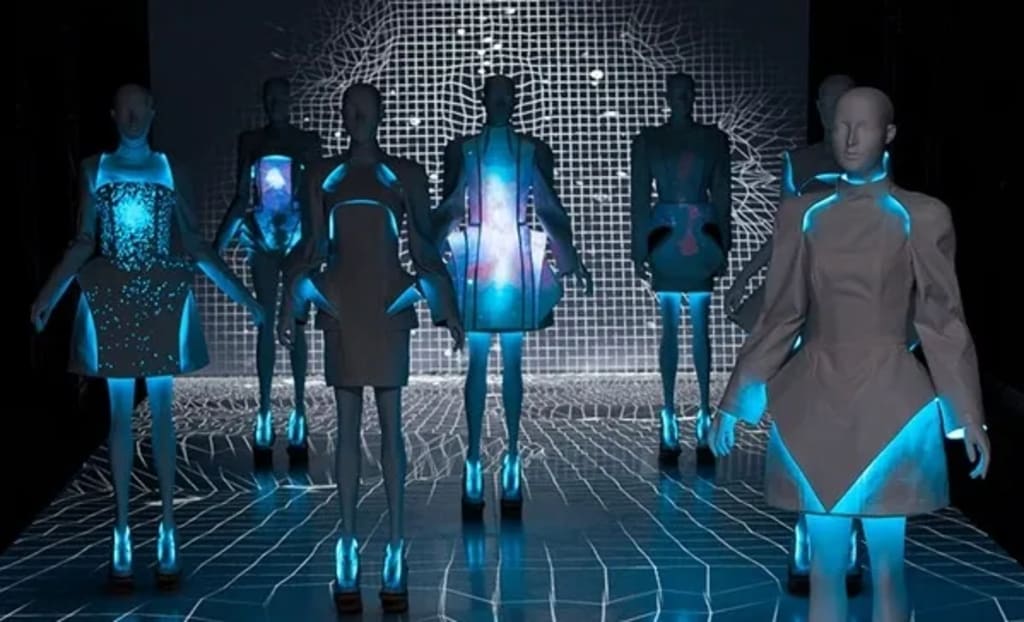
The clothing industry is undergoing one of its most transformative periods in history. In 2025, innovation is not just a trend but a necessity—shaped by technological advancement, environmental urgency, and shifting consumer demands. From smart fabrics and AI-powered production to sustainability and ethical practices, the fashion and apparel sector is redefining itself. This comprehensive overview explores the key innovations driving the industry, their societal and environmental impacts, and what lies ahead for clothing in the near future.
1. Technological Innovation in Clothing Production
a. AI and Automation
- Artificial intelligence is playing a huge role in 2025, optimizing the entire clothing production chain—from forecasting trends and demand planning to automating sewing and cutting processes.
- AI-powered analytics help brands predict consumer behaviour, reducing overproduction and waste.
- Robotic automation now handles a variety of previously manual tasks, increasing efficiency and minimizing human error.
b. 3D and Virtual Sampling
- 3D design software is revolutionizing how garments are developed. Designers can now create, view, and adjust prototypes virtually without producing physical samples.
- This approach speeds up the development process, reduces waste, and lowers production costs.
- Virtual try-ons and digital showrooms are helping brands reach global markets without the expense of physical retail spaces.
c. Smart Textiles and Wearables
- The rise of functional clothing is one of 2025’s biggest stories. Smart fabrics now monitor biometrics, regulate temperature, and even charge devices.
- Athletic wear, healthcare garments, and professional uniforms are integrating sensors and conductive threads to offer real-time feedback and enhanced performance.
- The boundaries between clothing and technology are blurring, ushering in a new era of wearable innovation.
2. Sustainability and the Circular Economy
a. Eco-Friendly Materials
- The push for sustainability has led to widespread use of organic, recycled, and biodegradable materials.
- Materials like Tencel, organic cotton, recycled polyester, and mushroom leather (mycelium) are becoming mainstream.
- Brands are also investing in fibber innovation—such as lab-grown leather and bio-fabricated fabrics—to further reduce their environmental footprint.
b. Circular Fashion Models
- Clothing companies are embracing circularity by designing garments for durability, reparability, and recyclability.
- Brands are launching take-back schemes, resale platforms, and clothing rental services to extend the life of garments.
- The goal is to minimize landfill waste and reduce the need for virgin resource extraction.
c. Water and Energy Conservation
- New dyeing technologies like waterless dyeing and digital printing are saving billions of gallons of water annually.
- Energy-efficient production methods and renewable-powered factories are becoming industry norms.
- Sustainable packaging and carbon offset programs are further helping brands reduce their environmental impact.
3. Ethical Production and Transparency
a. Fair Labour Practices
- Ethical labour practices are no longer optional. Consumers demand transparency about who makes their clothes and under what conditions.
- Brands are increasingly using blockchain and traceability tools to provide proof of ethical sourcing and manufacturing.
- In 2025, third-party certifications and audits are critical to maintaining consumer trust.
b. Local and Nearshore Manufacturing
- To reduce transportation emissions and lead times, many brands are moving manufacturing closer to their primary markets.
- This shift also creates more local job opportunities and allows for better oversight of working conditions.
- "Made locally" is becoming a selling point, especially in premium fashion segments.
c. Inclusive Design and Representation
- The industry is finally recognizing the need for size inclusivity, adaptive clothing, and diverse representation.
- Brands are expanding their size ranges and designing for different body types, abilities, and cultural needs.
- Representation in advertising, leadership, and brand storytelling is now a core part of brand identity and ethics.
4. The Role of Digital Fashion and the Metaverse
a. Digital-Only Fashion
- In 2025, digital fashion is a booming niche. Virtual outfits worn in the metaverse or on social media are driving new revenue streams.
- These clothes exist only digitally but can be bought, sold, and worn in virtual environments—cutting out physical waste entirely.
- Fashion houses are collaborating with game developers and NFT platforms to create digital couture.
b. Augmented Reality and Virtual Try-Ons
- Augmented reality (AR) tools allow consumers to try on clothes digitally through smartphones or smart mirrors in stores.
- This technology reduces return rates and enhances the online shopping experience.
- Personalized styling powered by AI and AR is turning shopping into an immersive, interactive experience.
5. Consumer Trends and Changing Expectations
a. Conscious Consumerism
- Today’s consumers are more informed and socially aware. They value authenticity, transparency, and purpose-driven brands.
- Environmental impact, supply chain ethics, and brand values influence purchasing decisions more than ever.
- Consumers are willing to spend more on quality, ethical, and sustainable products.
b. Customization and Personalization
- Brands are leveraging technology to offer customizable clothing—from style and fit to colour and fabric.
- On-demand production systems allow for personalization at scale, reducing waste and satisfying individual preferences.
- AI-powered sizing apps and custom-fit garments are making ill-fitting clothes a thing of the past.
c. Subscription and Rental Models
- Clothing-as-a-service (CaaS) is gaining traction, especially among younger consumers.
- Subscription models provide access to new styles without the need to buy, reducing overconsumption.
- Rental services are becoming more common not just for special occasions but for everyday wardrobes.
6. What’s Next for the Clothing Industry?
a. Fusion of Tech and Tradition
- While technology is rapidly changing how clothes are made, there’s a growing appreciation for traditional craftsmanship.
- Artisanship combined with modern tools is leading to unique hybrid creations that respect heritage while embracing innovation.
b. Regenerative Fashion
- The next frontier is regenerative fashion—farming and sourcing that doesn’t just minimize harm but actively restores ecosystems.
- Regenerative agriculture, biodiversity-focused sourcing, and carbon-negative practices will define leading brands of the future.
c. Legislation and Global Standards
- Governments are beginning to introduce regulations around sustainability, labour rights, and environmental impact.
- Brands will need to comply with global standards, making compliance a critical area for innovation and investment.
Conclusion
In 2025, the clothing industry stands at the intersection of technology, ethics, and sustainability. From AI-powered production to regenerative fabrics and digital wardrobes, the landscape is shifting rapidly. Consumers are no longer just buying clothes—they're investing in values, experiences, and impact. As the industry continues to evolve, those who embrace innovation, transparency, and sustainability will shape the future of fashion. The next chapter of clothing isn't just about looking good—it's about doing good, too.
About the Creator
textilenews
publisher
Keep reading
More stories from textilenews and writers in Styled and other communities.
The Rise of Sustainable Fashion: Transforming the Garment Industry
Sustainable fashion is more than a trend—it’s a transformative movement reshaping the garment industry. With growing awareness about environmental issues, labour ethics, and climate change, both consumers and brands are making conscious efforts to adopt sustainable practices. From eco-friendly materials to circular production models, the rise of sustainable fashion is not only improving the planet but also redefining how we perceive style, production, and consumption in the 21st century.
By textilenews9 months ago in Styled
Dhoti Salwar for Haldi, Mehndi & Pre-Wedding Functions
Pre-wedding functions like haldi and mehndi are all about colour, movement, and comfort. These are the events where you sit on the floor, laugh a lot, get your hands painted, and stay dressed for hours. That’s exactly why, in recent years, dhoti salwar has become a favourite choice for these celebrations. It offers the festive feel of ethnic wear while staying easy to move in something every haldi and mehndi outfit should do well.
By Amit Mandal3 days ago in Styled



Comments
There are no comments for this story
Be the first to respond and start the conversation.