
Tie and Dye Fabric – The Art, History, and Modern Trends
Tie And Dye Fabric
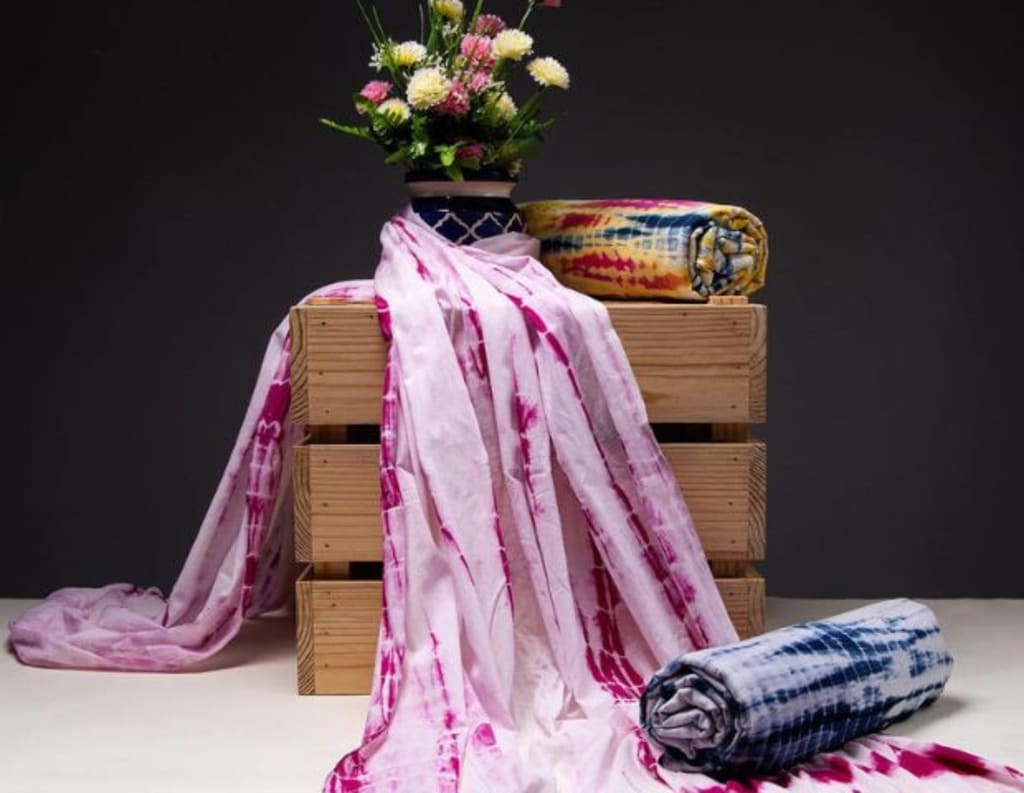
Tie and dye fabric is an ancient textile art form that has captivated people for centuries. This intricate dyeing technique produces vibrant, mesmerizing patterns that make each piece unique. Whether used for fashion, home décor, or artistic expression, tie and dye fabric remains a timeless and globally cherished craft. In this article, we explore the history, techniques, cultural significance, and modern applications of tie and dye fabric.
The History of Tie and Dye Fabric
The origins of tie and dye fabric can be traced back thousands of years. Ancient civilizations in Africa, India, Japan, and Indonesia practiced various dyeing techniques that resemble modern tie and dye. Some of the earliest records date back to 500 AD in India, where artisans used natural dyes to create intricate patterns on textiles.
India – The Bandhani technique, practiced mainly in Gujarat and Rajasthan, involves tying small portions of fabric and dyeing them to create detailed designs.
Japan – Shibori is a highly intricate tie and dye method that uses folding, twisting, and binding to create sophisticated patterns.
Indonesia – Batik, a wax-resist dyeing technique, shares similarities with tie and dye in its method of creating unique designs.
Africa – The Yoruba people of Nigeria developed the Adire technique, which involves using cassava paste or starch to create resist patterns before dyeing.
The Art of Making Tie and Dye Fabric
The process of making tie and dye fabric is a careful balance of creativity and technique. Here’s how it is traditionally done
1. Choosing the Fabric
The best results come from natural fabrics like cotton, silk, and linen, which absorb dyes more effectively than synthetic materials.
2. Preparing the Fabric
Before dyeing, the fabric is washed to remove any residues that may interfere with dye absorption. Some artisans soak the fabric in a mordant (fixative) to enhance color retention.
3. Tying and Folding Techniques
The essence of tie and dye lies in how the fabric is manipulated before dyeing. Some common techniques include
Spiral Pattern – Twisting the fabric in a circular motion before tying it with rubber bands.
Accordion Fold – Folding the fabric back and forth like a fan before binding sections with strings.
Crinkle Technique – Scrunching the fabric randomly to create organic, marbled patterns.
Resist Binding – Using objects like wooden blocks or clamps to create geometric shapes.
4. Dyeing Process
The prepared fabric is submerged in dye baths containing natural or synthetic dyes. The dye penetrates the exposed areas while the tied sections remain undyed, resulting in the characteristic tie and dye patterns. Multiple dyeing sessions create multi-colored designs.
5. Setting the Dye and Washing
Once the desired color intensity is achieved, the fabric is rinsed, dried, and sometimes heat-treated to lock in the colors and prevent fading.
Types of Tie and Dye Fabrics
1. Bandhani (India)
This method involves tying fabric with small knots before dyeing. Bandhani fabrics are commonly found in bright reds, yellows, and blues, often used in sarees and scarves.
2. Shibori (Japan)
Shibori tie and dye techniques include Arashi (pole-wrapping), Itajime (clamp resist), and Kumo (pleated binding), producing elegant and sophisticated patterns.
3. Adire (Nigeria)
This traditional Yoruba technique involves resist-dyeing with indigo to create bold, geometric patterns. It is widely used in African textiles.
4. Batik (Indonesia & Malaysia)
Batik involves applying wax to fabric before dyeing, resulting in intricate, layered designs.
5. Modern Tie and Dye
With contemporary advancements, digital printing and synthetic dyes have expanded the possibilities of tie and dye fashion. From pastel ombré designs to neon bursts, modern interpretations keep the art relevant.
The Cultural Significance of Tie and Dye Fabric
Tie and dye fabric is more than just a fashion statement; it carries cultural heritage and symbolic meaning:
India – Bandhani is often worn during weddings and festivals as a symbol of prosperity and good luck.
Japan – Shibori textiles were traditionally worn by samurais and nobility, symbolizing refinement.
Africa – Adire cloth is deeply tied to Yoruba identity and storytelling, with patterns representing proverbs and historical events.
Hippie & Bohemian Movements – In the 1960s and 1970s, tie and dye became a symbol of freedom, self-expression, and counterculture movements.
Modern Applications of Tie and Dye Fabric
1. Fashion Industry
Tie and dye has seen a resurgence in modern fashion, gracing runways and streetwear alike. Designers incorporate it into:
Dresses, skirts, and tops
Hoodies and sweatshirts
Denim and accessories
2. Home Décor
Tie and dye is a popular choice for interior design, adding a burst of color and artistry to homes. It is used in:
Cushion covers and curtains
Bedsheets and duvet covers
Table runners and wall tapestries
3. DIY and Customization
Handmade tie and dye projects have gained popularity, with enthusiasts creating their own unique pieces at home. DIY kits and workshops have made it accessible to all.
4. Sustainable Fashion and Ethical Production
Many eco-conscious brands now use organic dyes and sustainable fabrics to create environmentally friendly tie and dye apparel. The revival of traditional techniques also supports artisans and local craftsmanship.
Caring for Tie and Dye Fabrics
To maintain the vibrancy of tie and dye fabrics, follow these care tips:
Hand wash or use a gentle machine cycle with cold water to prevent fading.
Use mild detergents to protect the fabric's natural fibers.
Avoid direct sunlight while drying to preserve colors.
Iron on a low setting or use a steam iron to remove wrinkles without damaging the dye.
Conclusion
Tie and dye fabric is a beautiful blend of history, artistry, and modern trends. Whether you wear it, decorate your home with it, or create your own designs, tie and dye remains a beloved textile tradition that continues to evolve. Its timeless appeal ensures it will never go out of style.
About the Creator
Keep reading
More stories from Viktoria sen986 and writers in Styled and other communities.
Hand Block Printing: The Craftsmanship Behind Exquisite Fabrics
Hand block printing is an age-old textile art that has stood the test of time, preserving its authenticity and aesthetic appeal for centuries. This intricate printing technique involves skilled artisans using carved wooden blocks to imprint elaborate patterns onto fabric. Despite technological advancements in textile production, hand block printing remains a cherished craft, symbolizing tradition, artistry, and sustainability.
By Viktoria sen986about a year ago in Styled


Comments
There are no comments for this story
Be the first to respond and start the conversation.