
The Role of Fashion Weeks in Showcasing Textile Innovations: A Platform for the Future of Fabric Technology
Fashion Weeks: The Runway Revolution in Textile Innovation

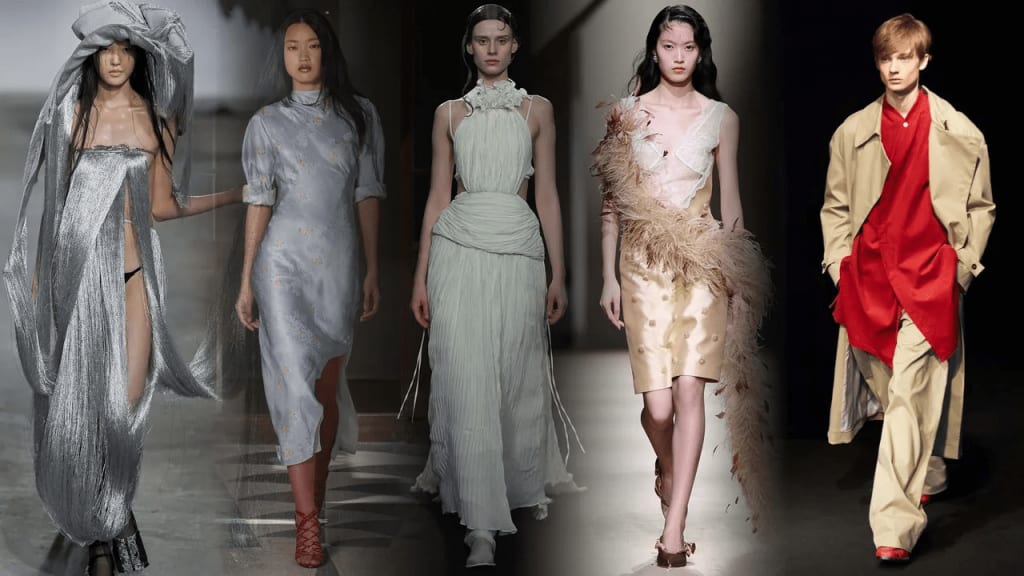
Fashion weeks have long been the epicentre of creativity, trendsetting, and industry networking. However, beyond their glamorous runways and star-studded front rows, these global events serve a much deeper purpose—showcasing innovations in textiles. From sustainable materials to high-tech fabrics, fashion weeks provide a crucial platform for designers, textile manufacturers, and innovators to introduce cutting-edge developments to the world.
In today’s fast-evolving fashion landscape, textile advancements are not just about aesthetics but also about sustainability, functionality, and technological integration. This article explores how fashion weeks play a pivotal role in unveiling new textile innovations, shaping the future of fashion, and pushing the industry toward more sustainable and high-tech solutions.
1. The Evolution of Fashion Weeks as Innovation Hubs
Fashion weeks have evolved significantly since their inception. Originally intended as exclusive industry events for showcasing seasonal collections, they have transformed into global platforms for innovation. Major fashion capitals—Paris, Milan, New York, and London—have become hubs where cutting-edge textiles are introduced alongside avant-garde designs.
In recent years, sustainability, digitalization, and functional textiles have taken centre stage. Fashion weeks now serve as launchpads for ground-breaking fabric developments, bridging the gap between traditional craftsmanship and modern technology.
2. Sustainable Textiles and Eco-Friendly Fabrics on the Runway
One of the biggest shifts in recent fashion weeks has been the emphasis on sustainability. As environmental concerns grow, designers and brands are increasingly turning to eco-friendly textiles. Fashion weeks provide the perfect stage to introduce and normalize the use of sustainable materials, such as:
- Organic Cotton & Hemp – Grown without harmful pesticides, these fibers are biodegradable and have a lower environmental impact.
- Recycled Fabrics – Materials made from post-consumer waste, such as ocean plastic, discarded garments, and PET bottles, are gaining popularity.
- Plant-Based Leathers – Alternatives like mushroom leather (Mylo) and pineapple leather (Piñatex) offer cruelty-free and sustainable options.
- Bioengineered Textiles – Lab-grown materials that mimic natural fibber's with enhanced durability and minimal waste.
Top fashion houses and emerging designers are increasingly integrating these fabrics into their collections, using fashion weeks to set a new industry standard for sustainability.
3. High-Tech and Smart Textiles: The Intersection of Fashion and Technology
Fashion is no longer just about style—it’s about function. Smart textiles, embedded with technology, are revolutionizing how we interact with clothing. Fashion weeks are key moments for unveiling:
- Temperature-Regulating Fabrics – Materials that adapt to the wearer’s body temperature, enhancing comfort.
- Self-Cleaning Textiles – Innovations using nanotechnology to repel stains and eliminate odors, reducing the need for frequent washing.
- Wearable Technology – Smart garments with integrated sensors, LED displays, and biometric tracking for fitness and healthcare applications.
- 3D-Knitted Fabrics – Created using advanced knitting machines, these textiles reduce waste by producing seamless, form-fitting garments.
Brands like Balenciaga, Iris van Herpen, and Hussein Chalayan have led the way in incorporating futuristic fabrics into their runway collections, making fashion weeks a prime venue for technological showcases.
4. Fashion Weeks as Testing Grounds for New Materials
Before innovative textiles reach mass production, they are often tested on the runway. Fashion weeks allow designers to experiment with new materials, gauge public and industry reactions, and refine their concepts before large-scale adoption.
For example, the introduction of 3D-printed textiles and biodegradable fabrics started as experimental concepts on the runway before trickling down into commercial fashion. This process helps brands and textile manufacturers fine-tune their innovations based on real-world feedback.
5. The Role of Textile Manufacturers and Tech Companies in Fashion Weeks
It’s not just designers who use fashion weeks to showcase innovations—textile manufacturers, research institutions, and tech companies also play a vital role. Collaborations between fashion brands and material innovators often debut on the runway.
- LVMH and Stella McCartney’s partnership with Mylo leather demonstrated how luxury fashion can embrace sustainable alternatives.
- Nike and Adidas’ Future craft projects showcased cutting-edge 3D-printed and recyclable textiles.
- Tech companies like Google and Levi’s have introduced smart fabrics with interactive touch-sensitive surfaces.
By leveraging fashion weeks as marketing and innovation platforms, these collaborations drive industry-wide adoption of new materials.
6. The Digitalization of Fashion Weeks and Its Impact on Textile Innovation
With the rise of virtual fashion weeks and digital showcases, textile innovations are now reaching a wider audience than ever before. Digitalization has introduced:
- Augmented Reality (AR) & Virtual Reality (VR) Runways – Allowing audiences to experience fabric textures and garment movements virtually.
- AI-Driven Textile Design – Using machine learning to create new patterns and materials.
- Blockchain for Textile Transparency – Ensuring traceability and ethical sourcing in fabric production.
Digital platforms are making textile innovation more accessible, allowing global audiences to engage with the latest fabric developments in real time.
7. The Influence of Fashion Weeks on Consumer Awareness and Demand
Fashion weeks are not just industry events—they influence consumer behaviour. When brands showcase sustainable and high-tech textiles on the runway, they drive awareness and demand for better fashion choices.
Luxury brands, fast fashion companies, and independent designers are all increasingly pressured to incorporate ethical and innovative textiles due to the visibility fashion weeks provide. This trickle-down effect ensures that textile innovations eventually become mainstream.
8. Regional Fashion Weeks and Their Role in Textile Innovation
While the "Big Four" (Paris, Milan, New York, and London) dominate global fashion, regional fashion weeks are playing a growing role in textile innovation. Events like:
- Copenhagen Fashion Week – A leader in sustainable fashion, emphasizing eco-friendly textiles.
- Tokyo Fashion Week – A hotspot for futuristic and high-tech fabrics.
- Mumbai and Lagos Fashion Weeks – Showcasing indigenous textiles and artisanal craftsmanship.
These regional events provide platforms for local designers and textile innovators to introduce ground-breaking materials and cultural textile heritage to the global stage.
9. The Future of Textile Innovation at Fashion Weeks
Looking ahead, the role of fashion weeks in textile innovation will only expand. We can expect to see:
- More Sustainable Innovations – Enhanced biodegradable and regenerative fabrics.
- AI-Designed Smart Textiles – Intelligent fabrics that adapt to different environments.
- Greater Integration of Circular Fashion – Materials designed for reuse, recycling, and longevity.
- Eco-Friendly Dyeing Techniques – Reducing water usage and chemical waste.
Fashion weeks will continue to serve as incubators for textile advancements, pushing the industry toward a more responsible and innovative future.
Conclusion
Fashion weeks are much more than glamorous runway shows; they are essential platforms for unveiling textile innovations that shape the future of fashion. From sustainable materials to high-tech fabrics, these events play a crucial role in introducing, testing, and promoting new textile developments.
As the apparel industry moves toward greater sustainability and technological integration, fashion weeks will remain at the forefront of change, setting new standards and inspiring the next generation of designers, textile manufacturers, and consumers.
The fusion of creativity, sustainability, and technology on the runway is not just redefining fashion—it’s redefining the very fabrics we wear.
About the Creator
textilenews
publisher
Keep reading
More stories from textilenews and writers in Styled and other communities.
Why Sustainability Is the Future of the Textile and Apparel Industry: A Shift Toward Ethical and Eco-Friendly Fashion
The textile and apparel industry is at a turning point. With increasing concerns about environmental degradation, resource depletion, and unethical labour practices, sustainability has become a crucial focus for brands, manufacturers, and consumers. The traditional fast-fashion model, which prioritizes speed and cost over environmental and social responsibility, is facing growing criticism. As a result, the industry is undergoing a major transformation toward sustainability, reshaping how textiles are produced, garments are designed, and fashion is consumed.
By textilenews10 months ago in Styled
Eid Dressing Made Easy: Sharara Suits That Feel Light All Day
Eid is a long, beautiful day. From morning prayers and family visits to afternoon meals and evening gatherings, you’re on your feet, moving around, meeting people, and celebrating. That’s why, in 2026, women are choosing outfits that don’t just look festive, they feel easy from morning to night. And that’s exactly where sharara suits come in.
By Amit Mandal7 days ago in Styled
Wild Card Weekend Recap: What Happens Now?
I think I figured out why I love Wild Card Weekend so much. It's because it's the first playoff anything of the calendar year. The NFL season starts in the fall, and once upon a time, the champion was crowned either on or slightly before New Year's. The evolution of the NFL schedule has resulted in the playoffs starting just into the New Year, and currently, the final week of the season falls on the first weekend of the New Year, with Wild Card Weekend coming a week after that. So yes, chronologically, the NFL's Wild Card Weekend serves as the first playoff anything of the calendar year.
By Clyde E. Dawkins7 days ago in Unbalanced


Comments (1)
Hello, just wanna let you know that if we use AI, then we have to choose the AI-Generated tag before publishing 😊