
The Philippines Clothing Market: Fashion Revolution in Southeast Asia
The Philippines is experiencing a fashion renaissance that's reshaping Southeast Asia's retail landscape. With over 110 million consumers and a rapidly growing middle class, this tropical archipelago has become one of the most exciting clothing markets in the region. But what's driving this transformation, and what does it mean for fashion lovers and industry watchers alike?

A Market on Fire: The Numbers Don't Lie
The Philippine clothing market is booming like never before. Industry reports show the apparel sector growing at an impressive rate, fueled by a perfect storm of economic growth, urbanization, and changing consumer preferences. Young Filipinos, who make up nearly 60% of the population, are driving unprecedented demand for both local and international fashion brands.
What makes this market particularly fascinating is its unique blend of traditional Filipino aesthetics with global fashion trends. From the bustling streets of Manila's fashion districts to the emerging style scenes in Cebu and Davao, Filipino consumers are creating their own distinctive fashion identity.
The Digital Revolution: E-commerce Takes Center Stage
Online Shopping Transforms Filipino Fashion Habits
The pandemic accelerated what was already a growing trend: Filipinos embracing online fashion shopping. E-commerce platforms like Shopee, Lazada, and local players like Zalora Philippines have seen explosive growth in clothing sales. This digital shift has democratized fashion access, allowing consumers from remote islands to access the same trends as their Manila counterparts.
Social media influencers and fashion bloggers have become the new tastemakers, with platforms like Instagram and TikTok driving viral fashion trends across the archipelago. Local fashion weeks and style festivals now livestream globally, putting Filipino designers on the international map.
The Rise of Direct-to-Consumer Filipino Brands
Homegrown brands are leveraging digital platforms to compete with international giants. Companies like Bench, Penshoppe, and newer entrants like Kamiseta and Straightforward are using social media marketing and influencer partnerships to build loyal followings among Filipino millennials and Gen Z consumers.
Local vs. Global: The Fashion Identity Battle
Filipino Designers Finding Their Voice
The Philippines clothing market isn't just about importing international trends—it's about creating them. Filipino designers are gaining recognition for incorporating traditional elements like intricate embroidery, indigenous textiles, and tropical prints into contemporary silhouettes.
Traditional Filipino garments like the barong tagalog and terno are being reimagined for modern wardrobes, creating a uniquely Filipino luxury fashion segment. This cultural fusion appeals not only to local consumers but also to the growing Filipino diaspora worldwide.
International Brands Adapt to Local Tastes
Global fashion retailers entering the Philippines have learned they can't simply transplant their global strategies. The tropical climate, cultural preferences, and price sensitivity of Filipino consumers require localized approaches. Fast fashion giants like H&M, Zara, and Uniqlo have adjusted their product lines to include more breathable fabrics, vibrant colors, and affordable pricing tiers.
The Economic Engine: Jobs and Growth
Manufacturing Resurgence
The Philippines is reclaiming its position as a significant garment manufacturing hub in Asia. Government incentives and improving infrastructure have attracted international brands to set up production facilities, creating hundreds of thousands of jobs. Cities like Bataan, Cavite, and Cebu have become major apparel manufacturing centers.
This manufacturing boom isn't just about cheap labor—Filipino factories are increasingly focusing on higher-value production, sustainable practices, and technical innovation. The "Made in Philippines" label is gaining respect in global fashion circles.
Retail Employment Boom
The expansion of shopping malls and fashion retail outlets across the Philippines has created a massive employment opportunity in the retail sector. From sales associates to visual merchandisers, the clothing industry provides livelihoods for millions of Filipinos.
Sustainability Meets Style: The Green Fashion Movement
Conscious Consumers Drive Change
Filipino consumers are becoming increasingly aware of fashion's environmental impact. Local brands are responding with sustainable initiatives, from using organic cotton to implementing recycling programs. The concept of "slow fashion" is gaining traction, particularly among educated urban consumers.
Traditional Filipino textile techniques are being revived as sustainable alternatives to mass production. Indigenous communities are partnering with fashion brands to preserve traditional weaving methods while creating economic opportunities.
Circular Fashion Takes Root
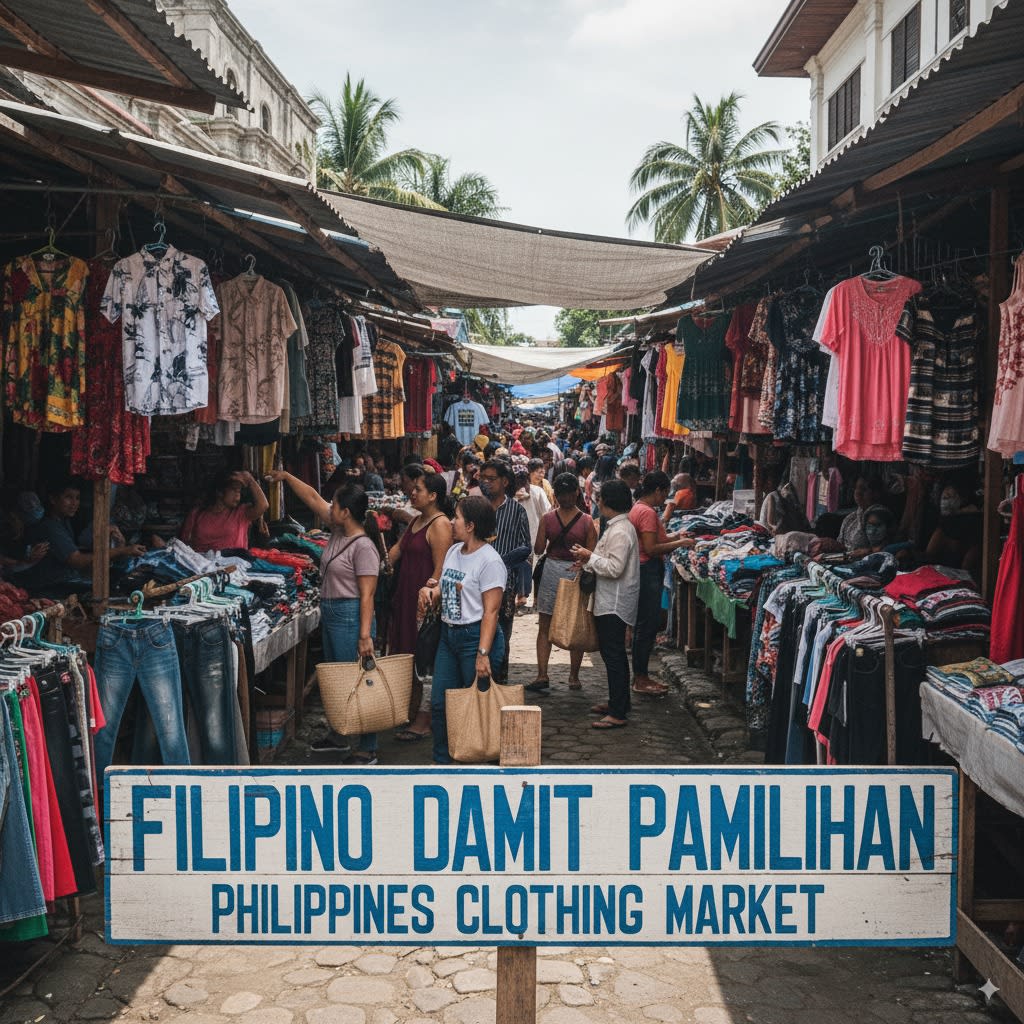
Thrift shopping and vintage fashion have exploded in popularity, particularly in Metro Manila. "Ukay-ukay" (thrift stores) have evolved from necessity shopping to trendy fashion hunting, with young consumers proudly showcasing their secondhand finds on social media.
Challenges and Opportunities Ahead
Infrastructure and Logistics Hurdles
Despite rapid growth, the Philippines clothing market faces significant challenges. Island geography makes distribution complex and expensive. Many rural areas still lack reliable internet connectivity, limiting e-commerce growth potential.
Traffic congestion in major cities affects both supply chain efficiency and consumer shopping patterns. However, these challenges also present opportunities for innovative logistics solutions and alternative retail models.
The Price Sensitivity Factor
While the Philippine middle class is growing, price sensitivity remains high. Local brands must balance quality and affordability, while international brands must adapt their pricing strategies for the local market. The success of affordable fashion brands demonstrates the importance of value-conscious positioning.
Fashion Capitals of Tomorrow
Manila: The Style Epicenter
Metro Manila remains the Philippines' undisputed fashion capital, home to major shopping districts like Makati, Ortigas, and the emerging Bonifacio Global City. The city's fashion weeks and trade shows attract international attention and investment.
Emerging Regional Fashion Hubs
Cities like Cebu, Iloilo, and Cagayan de Oro are developing their own fashion scenes, driven by local economic growth and cultural pride. These regional markets present significant expansion opportunities for both local and international brands.
The Future of Filipino Fashion
The Philippines clothing market stands at an exciting crossroads. With a young, digitally-savvy population, growing economic prosperity, and increasing cultural confidence, the country is positioned to become a major force in global fashion.
The next decade will likely see continued growth in both consumption and production, with Filipino brands potentially achieving international recognition alongside established Asian fashion powerhouses from Japan and South Korea.
For fashion enthusiasts, investors, and industry watchers, the Philippines represents one of the most dynamic and promising clothing markets in the world. The blend of traditional craftsmanship, modern consumer demands, and digital innovation creates a unique environment where fashion innovation thrives.
The story of the Philippines clothing market is still being written, but one thing is clear: this Southeast Asian fashion revolution is just getting started.
What trends are you seeing in your local fashion market? Share your observations about how global and local fashion cultures blend in your community.
About the Creator
Amyra Singh
Market research analyst who loves spotting patterns, digging into data, and turning insights into strategies that help brands grow and stay ahead of the curve.
Keep reading
More stories from Amyra Singh and writers in Styled and other communities.
Philippines Luxury Goods Market: Rising Wealth, Global Brands & Evolving Premium Lifestyles
The luxury goods market in the Philippines is gaining traction as affluent consumers, tourism growth and online luxury retail combine to create a more dynamic premium goods environment. The market reached USD 2.88 billion in 2024 and is projected to grow to USD 4.39 billion by 2033, representing a CAGR of 4.40% during 2025-2033.
By Amyra Singh2 months ago in Styled
Latest Women’s Fashion News: Trends Shaping Modern Style
Women’s fashion is undergoing a powerful transformation, shaped by changing lifestyles, global cultural influences, and a growing demand for individuality and responsibility. In recent years, fashion has moved beyond seasonal trends and has become a reflection of personal values, comfort, and confidence. The latest women’s fashion news highlights a dynamic industry where creativity meets practicality, and tradition blends seamlessly with modern innovation. From runways to street style, women’s fashion is redefining how style is perceived and worn across the world.
By duran lorena7 days ago in Styled
FREE THE NIPPLE. BURN THE BRA. APOLOGISE TO OUR SPINES.
There are few things in modern life as quietly infuriating as the social expectation that women should strap themselves into uncomfortable, restrictive underwear every single day for the emotional comfort of strangers. Not safety. Not warmth. Not even practicality. Comfort. Specifically men’s comfort. Because somewhere along the way, we collectively decided that a woman’s nipple is a public threat, while a man’s nipple is background furniture.
By No One’s Daughter5 days ago in Styled
How to Succeed at the Benson Directory®
Congratulations and welcome to the Benson Directory® employee #22391! As our newest call handler, you will have the privilege of speaking with dozens of unique and interesting people on a daily basis as well as the opportunity to earn bonuses for high performance. Contained within this handbook you will find a set of ease to follow instructions designed to help you settle in to your new role and begin paving the way to success.
By S. A. Crawford2 days ago in Fiction



Comments
There are no comments for this story
Be the first to respond and start the conversation.