
The Legacy of Paris Fashion Week: How It Shapes Global Trends
From Runway to Worldwide: Paris’s Enduring Influence on Style

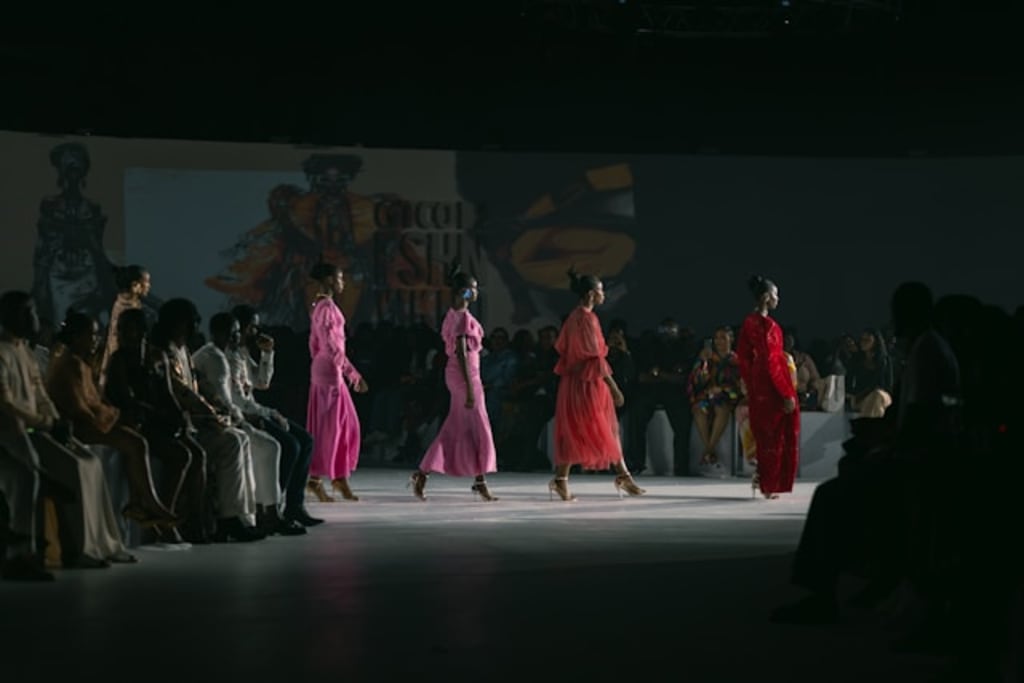
The Olympics. The Super Bowl. Art Basel. Coachella. Paris Fashion Week. Famous events happen every year, and nothing is as anticipated as Paris Fashion Week in the fashion world globally. It defines the standards of haute couture and prêt-à-porter and defines international fashion trends as we know them today. Movies and shows like The Devil Wears Prada and Emily in Paris just go to show how important Paris Fashion Week has become in the global commentary on fashion.
How It Began
Paris’s love affair with fashion goes back not just decades, but centuries. Once upon a time, in the court of Louis XIV (17th century), fashion was all the rage. It was how France came to be established as the center of style and luxury. But what we know as Fashion Week today began to really take shape in the early 20th century when Parisian couture houses started hosting regular shows for clients and the press. These intimate presentations gradually evolved into the biannual event we know and love today.
The “official” Paris Fashion Week (PFW) started in 1973, and it was definitely a shift from sporadic, private showings to something more structured. The inaugural event, famously known as the “Battle of Versailles,” pitted French designers against American counterparts, setting a precedent for theatricality, creativity, and international competition. Since then, PFW has been happening twice a year, with Spring/Summer and Autumn/Winter collections. It now also hosts haute couture, ready-to-wear, and menswear as separate events.
Home of Creativity and Innovation
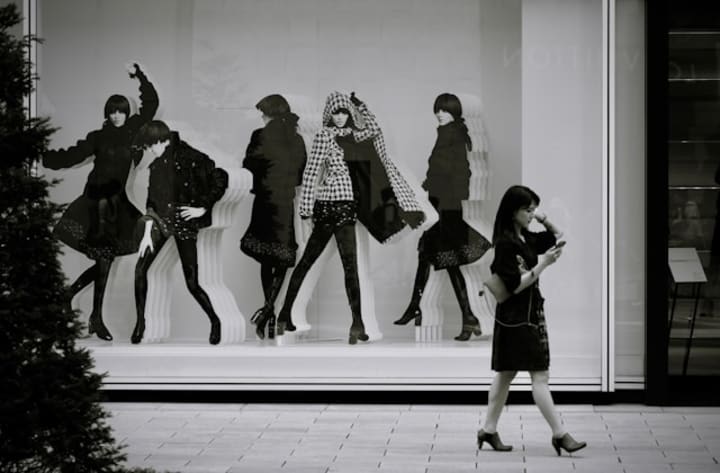
What makes PFW so famous? It’s not just about showing off style or fashion, but creativity and individuality too. Designers constantly push the boundaries of what we know when it comes to materials, techniques, and concepts. Coco Chanel, Christian Dior, and Yves Saint Laurent have repeatedly used PFW as a stage to debut styles that caused a fashion revolution around the world.
PFW is always organized by the Fédération de la Haute Couture et de la Mode. What this means is that the structure is always established beforehand. A combination of established luxury brands and emerging talents has the opportunity to showcase their work. It sets an environment where innovation flourishes and where new trends are ultimately set.
Shaping Fashion’s Seasons and Cycles
Many people wonder why Spring/Summer and Autumn/Winter are the staple fashion seasons, and that’s because Paris Fashion Week set that example. By categorizing fashion shows into these seasons, PFW established a rhythm. Everyone, whether it’s designers or customers, now knows when to expect fashion shows. Add Resort and Pre-Fall collections, which show how the industry changes because of consumer demands.
So why does this cyclical structure matter? For starters, it guides the creative process and influences production, marketing, and retail strategies on a worldwide scale. Retailers place orders based on what they see on the runways, and it determines what ends up being manufactured and sold globally in the immediate future. The trends set in Paris quickly tend to filter down to high street stores, online stores, and wardrobes all over the world.
The Global Ripple Effect
The influence of Paris Fashion Week extends far beyond the runways of the Grand Palais or the Carrousel du Louvre. It’s an international cultural phenomenon that shapes not only what we wear but also how we think about fashion, identity, and society. Trends that begin in Paris, such as the return to opulence in the postwar era or the androgynous looks of the late 2010s, often become touchstones for broader cultural conversations. These end up influencing art, music, film, and even societal attitudes.
Not just that, but Paris Fashion Week is a major economic driver, generating a significant amount of revenue for the city and the worldwide fashion industry. The event attracts thousands of designers, buyers, journalists, and influencers from around the world, creating opportunities that shape the industry’s future.
As a Cultural and Social Barometer
Beyond the clothes, Paris Fashion Week is also seen as a mirror of societal shifts and cultural changes. The event has responded to and often anticipated movements related to gender, diversity, sustainable fashion, and technology. For example, the rise of gender-fluid fashion, the embrace of digital presentations during COVID, and the increasing focus on eco-friendly materials all reflect broader trends that PFW has helped to amplify and legitimize.
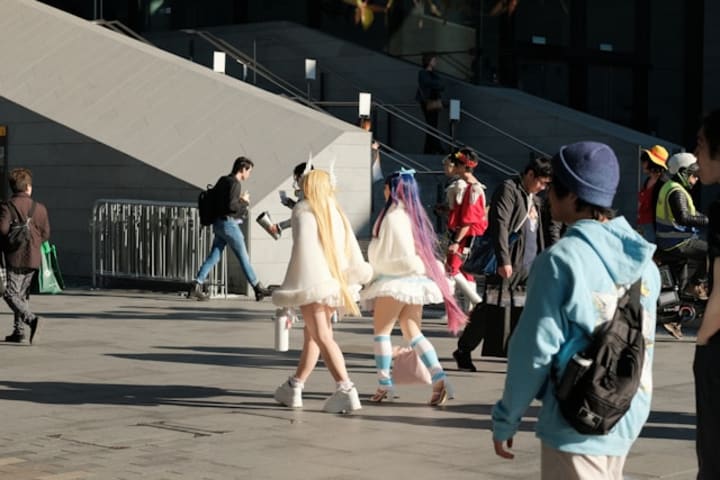
And let’s not forget about Paris street style. From an asymmetrical one-shoulder maxi dress styled with sneakers to punk fashion with elements of lace, street style in Paris is always setting trends. Fashionistas and influencers use Paris as a stage to showcase their own interpretations of current trends.
The Legacy of Paris Fashion Week
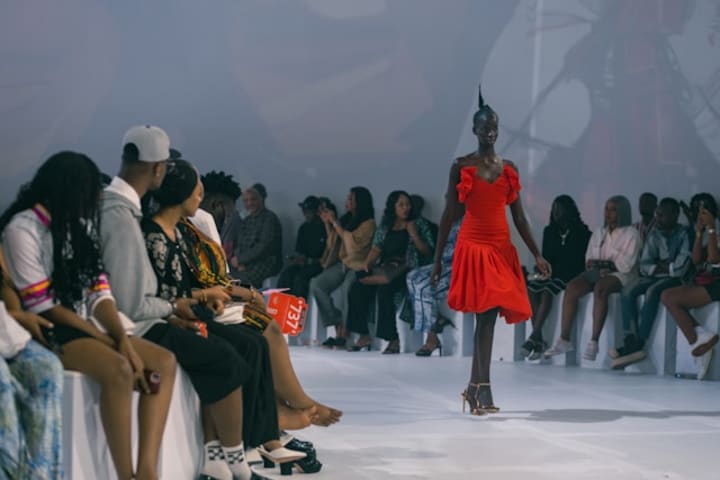
Looking ahead, PFW is poised to remain at the forefront of fashion’s most critical conversations, from sustainability to inclusivity. It's never not going to be the stage for trends, which ensures that the eyes of the (fashion) world will continue to turn to Paris each season.
About the Creator
Tess DiNapoli
Tess DiNapoli is an artist, freelance writer, and content strategist. She has a passion for yoga and often writes about health and wellness, but also enjoys covering the fashion industry and world of fitness.
Keep reading
More stories from Tess DiNapoli and writers in Styled and other communities.
Building a Capsule Wardrobe with Cozy Essentials
We’ve all found ourselves staring intently at our closets at some point, wondering what to wear. If you have a busy lifestyle and don’t pre-plan your outfits for the next day or week, you know just how exhausting and exasperating it can be. Having a minimalist capsule wardrobe can be a lifesaver on such days, or really every day. There are so many benefits to trimming down your wardrobe to a handful of pieces that you love and will wear often.
By Tess DiNapoli11 months ago in Styled
What to Wear to Engagement Ceremonies: Silk Salwar Suit Ideas
Engagement ceremonies are special, but they’re also slightly tricky to dress for. You want to look festive and polished, but not as heavy as you would for the wedding day itself. In 2026, many women are finding the perfect balance with silk salwar suits outfits that feel rich, graceful, and comfortable without going over the top.
By Amit Mandal3 days ago in Styled
Latest Women’s Fashion News: Trends Shaping Modern Style
Women’s fashion is undergoing a powerful transformation, shaped by changing lifestyles, global cultural influences, and a growing demand for individuality and responsibility. In recent years, fashion has moved beyond seasonal trends and has become a reflection of personal values, comfort, and confidence. The latest women’s fashion news highlights a dynamic industry where creativity meets practicality, and tradition blends seamlessly with modern innovation. From runways to street style, women’s fashion is redefining how style is perceived and worn across the world.
By duran lorena6 days ago in Styled


Comments
There are no comments for this story
Be the first to respond and start the conversation.