
The Future of Customization in the Apparel Industry: How Technology and Consumer Demand Are Reshaping Fashion
The Future of Fashion: How Customization is Revolutionizing the Apparel Industry


The apparel industry is undergoing a dramatic transformation, driven by changing consumer preferences and advancements in technology. One of the most significant trends shaping the industry is customization, which allows consumers to design, modify, and personalize clothing to suit their individual tastes and needs. As mass production takes a backseat to personalization, brands are increasingly investing in innovative technologies and business models to meet this growing demand. From AI-driven design tools to on-demand manufacturing, the future of apparel is becoming more personalized than ever before.
1. The Rise of Customization in Fashion
Customization in the apparel industry has been steadily growing as consumers seek unique, tailor-made clothing rather than mass-produced garments. The shift from fast fashion to slow, intentional purchasing has led to increased demand for clothing that reflects personal style, size preferences, and functional needs. Brands are recognizing this shift and incorporating customization as a key feature of their business models.
Key drivers of this trend include:
- Consumer desire for unique, self-expressive fashion.
- Advances in digital technology making customization easier.
- A push toward sustainability by reducing overproduction and waste.
- The growing influence of social media and direct-to-consumer branding.
2. Digital Design and AI-Driven Customization
One of the biggest factors enabling customization is the rise of digital design tools powered by artificial intelligence (AI). AI-driven platforms allow customers to visualize and modify their clothing designs in real-time. These tools help consumers select colours, patterns, fits, and even suggest styles based on past preferences or fashion trends.
Examples of AI-powered customization include:
- Virtual design studios: Brands like Nike and Adidas offer interactive platforms where customers can personalize sneakers by choosing colours, materials, and designs.
- AI-generated recommendations: Companies like Amazon and Stitch Fix use AI to suggest personalized clothing based on browsing history and past purchases.
- 3D body scanning: Some brands use AI-powered body scanning to create perfectly fitted garments without the need for in-person tailoring.
3. On-Demand Manufacturing and 3D Printing
One of the major challenges of traditional apparel production is excess inventory, leading to waste and unsold stock. On-demand manufacturing is solving this issue by producing garments only when an order is placed. This model is becoming more viable with advancements in automation and 3D printing technology.
How on-demand production is shaping customization:
- No excess inventory: Clothing is only made when a customer places an order, reducing waste.
- Faster production cycles: Digital manufacturing processes allow for quick turnaround times.
- Limitless design possibilities: 3D printing enables intricate, custom designs that traditional methods cannot achieve.
- Sustainable materials: Some brands use recycled fabrics and biodegradable materials in their on-demand production models.
4. Augmented Reality (AR) and Virtual Try-Ons
One of the biggest concerns with customized apparel is the inability to try before buying. Augmented reality (AR) and virtual try-on technology are solving this problem by allowing customers to see how clothing will look on them before making a purchase.
How AR is enhancing customization:
- Virtual fitting rooms: Apps like Zeekit and AR shopping experiences from brands like Gucci allow users to see garments on a virtual avatar of themselves.
- AI-powered sizing assistants: Brands use machine learning to recommend the best fit based on body shape and previous purchases.
- Personalized fashion previews: Customers can experiment with different designs, colours, and styles in real-time.
5. Sustainable Customization: Reducing Waste and Overproduction
Customization aligns with the growing demand for sustainable fashion. Instead of mass-producing clothing that may not sell, brands can create garments tailored to each customer’s preferences, significantly reducing textile waste.
Ways customization contributes to sustainability:
Reducing returns: Custom-fitted garments lead to fewer sizing-related returns, which reduces shipping emissions.
Less textile waste: On-demand production prevents overproduction and excess stock.
Eco-friendly materials: Many customization-focused brands offer sustainable fabric options, such as organic cotton, recycled polyester, and plant-based dyes.
6. The Role of Blockchain in Customization
Blockchain technology is revolutionizing the apparel industry by ensuring transparency and authenticity in customized garments. With blockchain, customers can track the journey of their personalized clothing from raw materials to production and delivery.
Key applications of blockchain in customization:
Supply chain transparency: Consumers can verify ethical sourcing and sustainability claims.
Authenticity verification: Luxury brands use blockchain to prevent counterfeit custom pieces.
Decentralized fashion marketplaces: Independent designers can sell custom clothing directly to consumers without intermediaries.
7. Personalization in E-Commerce and Direct-to-Consumer (DTC) Brands
Customization is also changing the way consumers shop online. Direct-to-consumer (DTC) brands are leveraging data and technology to create highly personalized shopping experiences. Instead of offering standard size ranges, many brands now provide tailored recommendations based on customer measurements and style preferences.
Trends in personalized e-commerce:
- Made-to-order platforms: Brands like Unspun and Suit Supply create custom-fitted jeans and suits using customer-provided measurements.
- AI-powered personal stylists: Subscription services like Stitch Fix and Trunk Club curate clothing selections based on individual tastes.
- Custom sneaker and apparel lines: Big brands like Converse and Levi’s allow customers to design their own products through online customization tools.
8. Challenges and Future Prospects of Customization
While customization presents numerous benefits, it also comes with challenges that the industry must overcome:
- Higher production costs: Custom-made garments can be more expensive than mass-produced alternatives.
- Longer lead times: Unlike ready-made clothing, custom orders take longer to produce and deliver.
- Scalability: Small brands may struggle to scale customization without significant investment in technology and infrastructure.
- Balancing automation and craftsmanship: While technology streamlines production, some customers value handcrafted elements in customized fashion.
Despite these challenges, the future of customization in apparel is bright. As technology advances, lead times will decrease, costs will lower, and more brands will be able to offer personalized fashion at scale.
9. The Future of Customization in Fashion
The next decade will see even greater advancements in customization, including:
- AI-powered virtual tailors that take precise body measurements using smartphone cameras.
- Hyper-personalized fashion brands that offer made-to-measure clothing based on customer DNA and bio-metric data.
- Fully automated customization factories where garments are produced in minutes using robotic sewing machines.
- Integration of NFTs (non-fungible tokens) in fashion to verify ownership and authenticity of exclusive custom designs.
Conclusion
Customization is revolutionizing the apparel industry by offering consumers greater control over their fashion choices. Technology is making it easier, faster, and more sustainable to produce personalized garments that align with individual preferences. From AI-driven design platforms to on-demand manufacturing, the future of fashion is increasingly moving towards a model where consumers are co-creators rather than passive shoppers.
As brands continue to innovate, the customization trend will likely become a standard feature in the fashion industry. Those who embrace personalization and integrate technology into their business models will gain a competitive edge in a rapidly evolving market. In the future, fashion will no longer be dictated solely by designers or brands—it will be shaped by the consumers themselves.
About the Creator
textilenews
publisher
Keep reading
More stories from textilenews and writers in Styled and other communities.
Why Handmade and Artisanal Fashion Is Thriving in the Apparel Industry: A Return to Craftsmanship, Authenticity, and Sustainability
In an era dominated by fast fashion and mass production, the resurgence of handmade and artisanal fashion is a breath of fresh air. Consumers are increasingly drawn to unique, high-quality garments that tell a story, reflect cultural heritage, and prioritize ethical practices. This shift is not just a fleeting trend but a movement that highlights the growing demand for authenticity, sustainability, and individuality in the apparel industry. Below, we explore the key reasons why handmade and artisanal fashion is thriving and why it represents the future of conscious consumerism.
By textilenews11 months ago in Styled
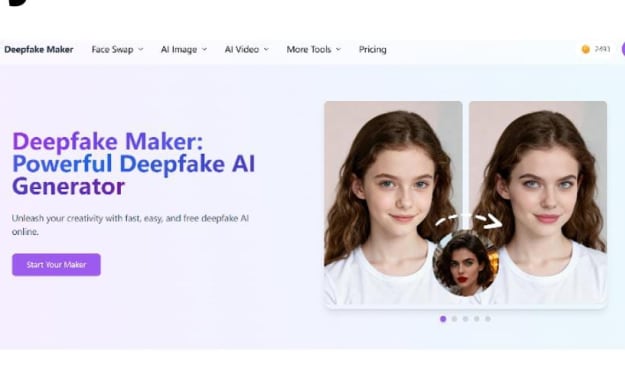
Deepfake Maker Face Swap: How I Create Scroll-Stopping Content in Minutes Without Editing Skills
Face Swap Technology and the Rise of AI-Generated Visual Media Artificial intelligence has transformed the way digital content is created, shared, and experienced. One of the most widely discussed developments in recent years is the emergence of face swap and deepfake technology. Once limited to research labs and advanced visual effects studios, face swapping is now accessible through web-based platforms and consumer applications.
By Abbasi Publisherabout 9 hours ago in Styled


Comments
There are no comments for this story
Be the first to respond and start the conversation.