
Why Handmade and Artisanal Fashion Is Thriving in the Apparel Industry: A Return to Craftsmanship, Authenticity, and Sustainability
The Rise of Handmade Fashion: Crafting a Sustainable and Ethical Future

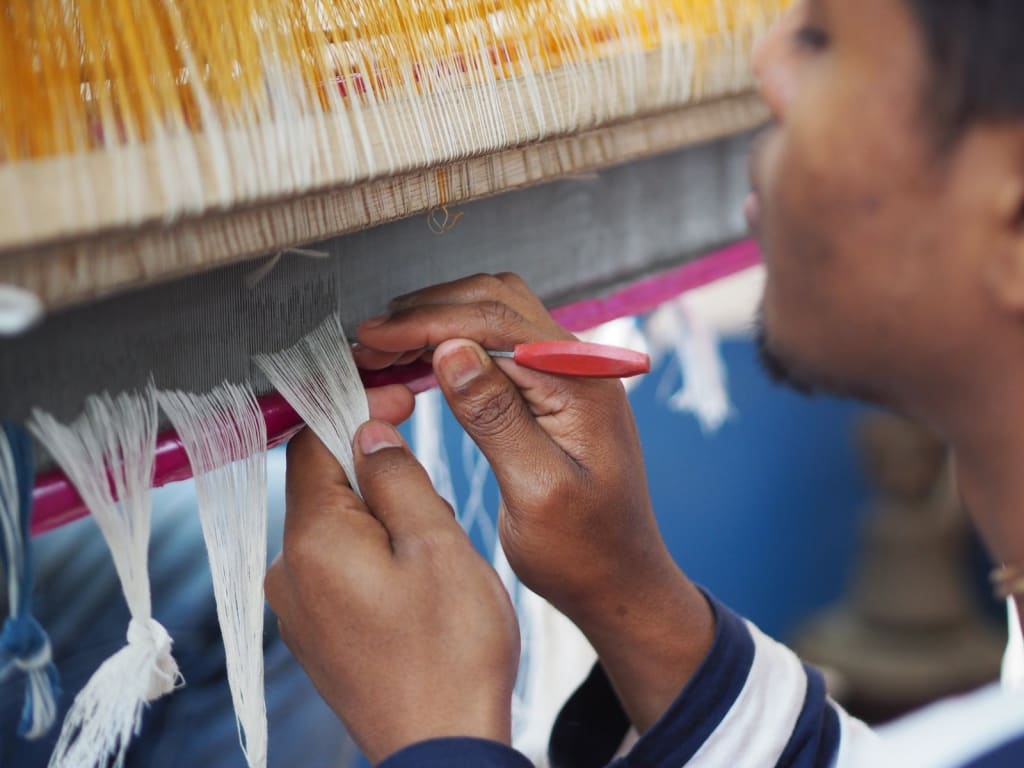
In an era dominated by fast fashion and mass production, the resurgence of handmade and artisanal fashion is a breath of fresh air. Consumers are increasingly drawn to unique, high-quality garments that tell a story, reflect cultural heritage, and prioritize ethical practices. This shift is not just a fleeting trend but a movement that highlights the growing demand for authenticity, sustainability, and individuality in the apparel industry. Below, we explore the key reasons why handmade and artisanal fashion is thriving and why it represents the future of conscious consumerism.
1. The Appeal of Uniqueness and Individuality
In a world saturated with identical, machine-made clothing, handmade and artisanal fashion stands out for its uniqueness. Each piece is crafted with care, often featuring subtle variations that make it one-of-a-kind. Consumers are increasingly seeking garments that reflect their personal style and values, rather than conforming to the homogenized offerings of fast fashion brands. Handmade fashion allows wearers to express their individuality and stand out in a crowd.
- Customization: Many artisanal brands offer bespoke services, allowing customers to tailor designs to their preferences.
- Storytelling: Each handmade piece carries a narrative, whether it’s the artisan’s journey, the cultural significance of the design, or the materials used.
- Emotional Connection: Owning a handmade item fosters a deeper connection between the wearer and the garment, as it is often seen as a work of art rather than just clothing.
2. A Shift Toward Sustainability and Ethical Practices
The environmental and social impact of fast fashion has come under intense scrutiny in recent years. From exploitative labour practices to excessive waste and pollution, the industry’s dark side has prompted consumers to seek alternatives. Handmade and artisanal fashion aligns with the values of sustainability and ethical production, making it an attractive choice for conscious consumers.
- Slow Fashion Movement: Artisanal fashion is inherently slow, emphasizing quality over quantity. This approach reduces waste and encourages mindful consumption.
- Eco-Friendly Materials: Many artisans use natural, organic, or recycled materials, minimizing the environmental footprint of their creations.
- Fair Trade Practices: Handmade fashion often supports fair wages and safe working conditions for artisans, promoting social equity in the supply chain.
3. Preservation of Cultural Heritage and Traditional Craftsmanship
Handmade and artisanal fashion plays a crucial role in preserving cultural heritage and traditional craftsmanship. Many artisans use techniques passed down through generations, creating garments that are deeply rooted in history and culture. By supporting these practices, consumers contribute to the survival of endangered crafts and help keep cultural traditions alive.
- Global Influence: From Indian block printing to Peruvian weaving, artisanal fashion showcases the rich diversity of global cultures.
- Skill Development: Supporting handmade fashion encourages the transfer of skills to younger generations, ensuring the continuity of traditional crafts.
- Cultural Appreciation: Wearing artisanal pieces allows individuals to celebrate and honour the cultural significance behind the designs.
4. The Rise of Conscious Consumerism
Modern consumers are more informed and intentional about their purchasing decisions. They are increasingly prioritizing quality, longevity, and ethical considerations over cheap, disposable fashion. Handmade and artisanal fashion resonates with this shift, as it embodies the principles of conscious consumerism.
- Quality Over Quantity: Handmade garments are often made with superior craftsmanship and durable materials, ensuring they last longer than mass-produced items.
- Transparency: Artisanal brands are typically more transparent about their production processes, allowing consumers to make informed choices.
- Mindful Consumption: By investing in fewer, higher-quality pieces, consumers reduce their overall environmental impact and contribute to a more sustainable fashion ecosystem.
5. The Role of Technology and Social Media
While handmade fashion is rooted in tradition, technology and social media have played a significant role in its resurgence. Platforms like Instagram, Etsy, and Pinterest have made it easier for artisans to showcase their work and connect with a global audience. Additionally, e-commerce has democratized access to handmade fashion, allowing consumers to support small businesses and independent artisans from anywhere in the world.
- Online Marketplaces: Platforms like Etsy and Shopify have empowered artisans to reach customers directly, bypassing traditional retail channels.
- Storytelling Through Social Media: Artisans use social media to share the stories behind their creations, building a loyal customer base that values authenticity.
- Crowdfunding and Collaborations: Technology has enabled artisans to fund their projects through crowdfunding platforms and collaborate with like-minded brands and designers.
6. The Luxury of Handmade Fashion
Handmade and artisanal fashion is often associated with luxury, as it represents the pinnacle of craftsmanship and attention to detail. In a world where mass-produced luxury brands dominate, handmade fashion offers a more personal and exclusive alternative.
- Exclusivity: Limited production runs and unique designs make handmade fashion highly sought after.
- Attention to Detail: Artisans pour their heart and soul into every piece, resulting in garments that are meticulously crafted and finished.
- Timelessness: Handmade fashion transcends trends, offering timeless pieces that can be cherished for years to come.
7. The Emotional and Psychological Benefits
Beyond its aesthetic and ethical appeal, handmade fashion offers emotional and psychological benefits to both creators and consumers. For artisans, the process of creating is often a form of self-expression and fulfilment. For consumers, owning and wearing handmade pieces can evoke a sense of pride, joy, and connection.
- Artisan Empowerment: Creating handmade fashion provides artisans with a sense of purpose and economic independence.
- Consumer Satisfaction: Knowing the story behind a garment and supporting ethical practices can enhance the wearer’s sense of satisfaction and well-being.
- Mindful Living: Handmade fashion encourages a slower, more intentional approach to life, aligning with the principles of mindfulness and minimalism.
8. Challenges and the Road Ahead
While the handmade and artisanal fashion movement is thriving, it is not without its challenges. Artisans often face issues such as limited access to resources, competition from mass-produced goods, and the need for greater market visibility. However, the growing support from conscious consumers, coupled with technological advancements, offers hope for the future of this industry.
- Education and Awareness: Raising awareness about the value of handmade fashion is crucial to its continued growth.
- Collaboration: Partnerships between artisans, brands, and policymakers can help address challenges and create a more supportive ecosystem.
- Innovation: Combining traditional techniques with modern technology can open up new possibilities for artisanal fashion.
Conclusion: The Future of Fashion Lies in the Hands of Artisans
The rise of handmade and artisanal fashion represents a paradigm shift in the apparel industry. It is a testament to the enduring appeal of craftsmanship, authenticity, and sustainability in a world that often prioritizes speed and convenience. As consumers become more conscious of their choices, the demand for handmade fashion is likely to grow, paving the way for a more ethical, inclusive, and culturally rich fashion landscape. By supporting artisans and embracing the values of slow fashion, we can all play a part in shaping a brighter future for the industry—one stitch at a time.
About the Creator
textilenews
publisher
Keep reading
More stories from textilenews and writers in Styled and other communities.
Sustainable Fabrics and the Future of the Apparel Industry: Innovations Driving Eco-Friendly Fashion
The apparel industry is at a turning point as sustainability becomes a core focus for brands, consumers, and policymakers. Traditional fabric production is resource-intensive, contributing to environmental degradation through excessive water usage, chemical pollution, and carbon emissions. In response, sustainable fabrics are emerging as a solution to reduce the industry's impact while aligning with consumer demand for ethical fashion. From organic materials to innovative bioengineered textiles, sustainable fabrics are shaping the future of the apparel industry.
By textilenews11 months ago in Styled
Plus Size Salwar Kameez Designs That Don’t Cling or Pull
Finding a plus-size salwar kameez that feels comfortable all day long shouldn’t be complicated, but too often, women end up in outfits that cling, pull, or feel tight in all the wrong places. In 2026, the trend is shifting toward designs that flatter naturally without squeezing or pulling, and the best part is that these looks don’t sacrifice style for comfort. This blog showcases the best plus-size salwar kameez designs that provide ample room to move, breathe, and feel confident, whether you’re attending a family event, heading out for a festive dinner, or simply stepping outside for a casual lunch.
By Amit Mandalabout 5 hours ago in Styled


Comments (1)
Nice work. I enjoyed this very much. Keep up the good work!!!