
The Future is Aesthetic
How Digital Worlds and AI are Redefining Beauty

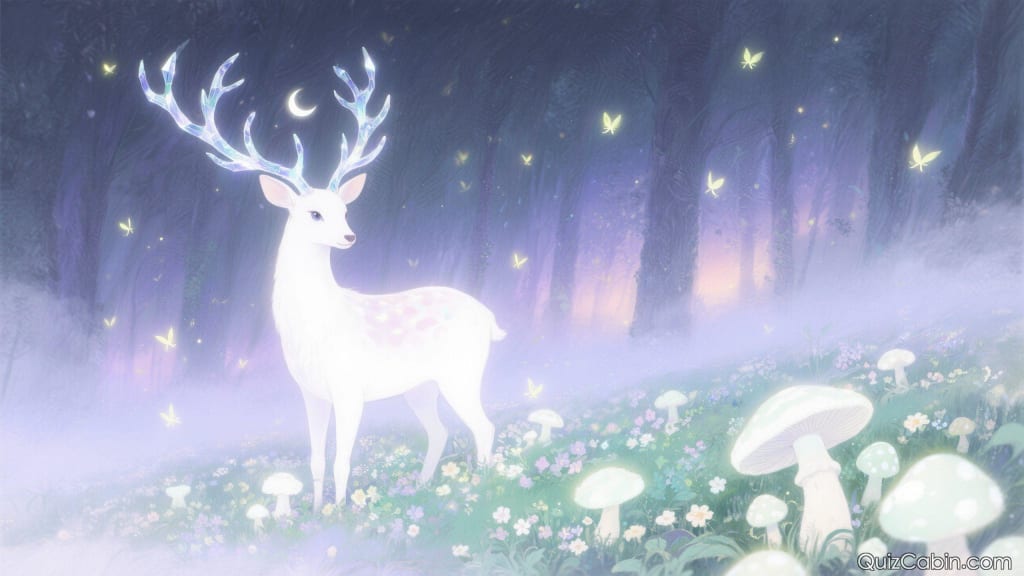
For centuries, the concept of beauty was tethered to the tangible world. It was in the precise symmetry of a Renaissance sculpture, the vibrant chaos of an impressionist landscape, and the elegant lines of a well-crafted chair. But we are standing at the precipice of a new era, a digital renaissance where the very definition of aesthetics is being rewritten in lines of code and rendered in pixels. The rise of artificial intelligence, virtual reality, and a globally interconnected digital landscape is not just changing how we create and consume art; it's fundamentally altering our perception of beauty itself.
We are moving from being consumers of beauty to being co-creators with the machine, crafting new aesthetic languages that were unimaginable a decade ago. This is not a distant future; it's happening now, on our screens, in our virtual spaces, and in the art we experience.
The Ghost in the Machine: The Aesthetics of AI Art
Artificial intelligence has emerged as a powerful, and at times controversial, new force in the art world. AI models like MidJourney and DALL-E are no longer just tools for editing; they are autonomous generators of images, capable of creating visually stunning and conceptually intriguing pieces. This has given rise to a new "latent space" of aesthetic exploration, a digital frontier where beauty is synthesized from vast datasets and probabilistic associations rather than captured from reality.
AI art often blends styles from different historical periods, creating works that are both familiar and entirely new. It can mimic the aesthetics of painting, photography, and illustration, but with a curious detachment from the cultural and historical contexts that originally shaped those styles. This very detachment is a defining feature of AI-generated aesthetics. It raises profound questions about creativity and authorship. As one writer puts it, the artist's role is shifting from that of a solitary genius to a collaborator with the algorithm. The creativity lies not just in the final image, but in the crafting of the prompt, the curation of the data, and the selection of the output.
Of course, this new frontier is not without its perils. Critics rightly point to the "crisis of realism," where AI-generated deepfakes blur the lines between fiction and fact, and the risk of perpetuating cultural biases present in the training data. Yet, it is undeniable that a new aesthetic is being born, one that challenges our traditional notions of art and beauty.
Fashion for Avatars: Dressing Our Digital Selves
As we spend more of our lives in digital spaces, from sprawling video game worlds to emerging metaverses, a new dimension of self-expression has emerged: digital fashion. Our avatars have become extensions of our identities, and how we dress them is a powerful form of aesthetic communication.
This is not simply about recreating real-world clothing in a virtual environment. Digital fashion allows for a level of creativity and experimentation that is impossible in the physical world. Clothes can be made of light, fire, or constantly shifting data streams. They can defy gravity, change color with the user's mood, and be instantly shared and modified across the globe.
This has given rise to a new generation of digital designers and fashion houses creating "phygital" (physical and digital) items, and it's forcing us to reconsider the very nature of ownership and value. A unique digital garment, authenticated by an NFT, can be as coveted and as valuable as a piece of haute couture. The aesthetic choices we make for our digital selves are becoming just as important, if not more so, than the clothes we wear in the real world.
Interactive Beauty: When the Viewer Becomes the Artist
For most of art history, the relationship between the viewer and the artwork has been a one-way street. We gaze upon a painting, we walk around a sculpture, but the work itself remains static. Digital technology is shattering this paradigm, giving rise to a new era of interactive beauty.
In this new world, the viewer is no longer a passive observer but an active participant. Your movements can alter the colors of a digital installation, your voice can shape the form of a generative sculpture, and your choices can determine the narrative of a virtual reality experience. The artwork is no longer a finished product, but a dynamic system that responds and evolves in real-time.
This shift has profound aesthetic implications. The beauty of the work is not just in its visual composition, but in the elegance of its interactivity, the intuitiveness of its interface, and the quality of the experience it creates for the participant. It's a form of beauty that is co-created, ephemeral, and deeply personal.
The Glitch and the Sublime: Finding Beauty in Digital Imperfection
In a world increasingly dominated by sleek, polished, and algorithmically optimized design, a counter-movement has emerged: the aesthetics of the glitch. This is the celebration of the unexpected, the random, the "error" in the machine.
Glitch art takes the artifacts of digital decay—pixelation, data corruption, system crashes—and reframes them as sources of beauty. It's a reminder that even in our highly controlled digital world, there is still room for chaos, for unpredictability, and for a kind of raw, unfiltered beauty that can only emerge from the breakdown of the system.
This aesthetic resonates with a deeper human desire for authenticity in a world that can often feel sterile and overly curated. The glitch is the ghost in the machine, a fleeting glimpse of the underlying chaos of the digital world, and in that chaos, we can find a strange and compelling kind of sublime.
Will We Forget What's Real?
As the lines between the physical and digital worlds continue to blur, this is the question that looms large. Will our ever-more-sophisticated virtual realities and AI-generated art diminish our appreciation for the beauty of the natural world?
Perhaps the opposite is true. Perhaps, by allowing us to explore new and fantastical aesthetic realms, these technologies will ultimately deepen our appreciation for the unique and irreplaceable beauty of the real. A sunset in the real world might feel all the more precious after we've witnessed a thousand digitally rendered ones.
Ultimately, the future of aesthetics is not a zero-sum game between the real and the virtual. It is an expansion of our creative horizons, a proliferation of new tools and new canvases, and a redefinition of what it means to be a creator and a connoisseur of beauty.
Curious about where you fit into this evolving landscape of aesthetics? You can take this Aesthetic Quiz to get a fun glimpse into your own personal style. The future of beauty is here, and it's more complex, more interactive, and more fascinating than we ever could have imagined.
About the Creator
Leo Wang
Stars shine, so do you.
2026 Oscar Nominations: The Complete List of Nominees
The annual celebration of cinematic achievement is upon us once again. On January 22, 2026, the 98th Academy Awards nominations were officially revealed, setting the stage for one of the most exciting Oscar seasons in recent memory. With record-breaking nods, surprise contenders, and an unusually diverse field of films and talents, the Academy Awards nominations have generated widespread conversation in Hollywood and around the world.
By Salaar Jamali3 days ago in Styled


Comments
There are no comments for this story
Be the first to respond and start the conversation.