
Home Textile Industry News: Growth and Challenges in 2025
Home Textile Industry in 2025: Trends, Challenges, and Future Opportunities

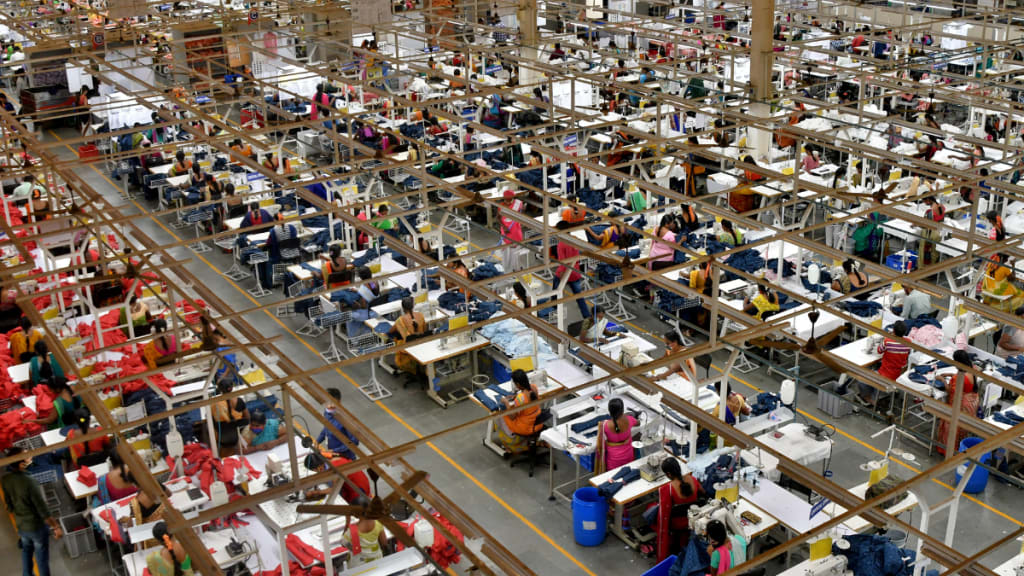
The home textile industry has been evolving rapidly, driven by changing consumer preferences, technological advancements, and global economic shifts. As we step into 2025, the industry is witnessing substantial growth, with increasing demand for sustainable products, smart textiles, and innovative designs. However, challenges such as supply chain disruptions, rising costs, and environmental concerns also pose hurdles for manufacturers and retailers. This article explores the key trends, opportunities, and challenges shaping the home textile industry in 2025.
1. The Growth of the Home Textile Market
The home textile industry is experiencing robust growth in 2025, with rising consumer interest in high-quality, durable, and aesthetically pleasing products. Several factors are contributing to this expansion:
- Increasing Home Renovations & Interior Design Trends: Consumers are investing more in home décor, driven by a greater focus on comfort, aesthetics, and functionality. The growing popularity of home makeovers, fueled by social media and interior design influencers, has boosted the demand for stylish and high-quality textiles.
- E-commerce Boom: Online shopping has transformed the home textile industry, making it easier for consumers to access a wide range of products from global and local brands. Direct-to-consumer (DTC) brands are thriving by offering customized, affordable, and sustainable textile products.
- Rising Demand for Sustainable and Organic Textiles: Eco-friendly and organic fabrics, such as organic cotton, bamboo, and hemp, are gaining popularity. Consumers are becoming more conscious of their choices, opting for products that are free from harmful chemicals and produced through ethical supply chains.
2. Key Trends Driving the Home Textile Industry in 2025
The home textile market is evolving with several trends shaping the industry. Some of the most significant ones include:
a) Smart and Functional Textiles
Technology is playing a crucial role in the home textile industry, leading to innovations such as:
- Temperature-Regulating Fabrics: Materials that adjust to body heat and provide comfort in different weather conditions.
- Antimicrobial & Odor-Resistant Textiles: These fabrics are designed to resist bacteria and allergens, ensuring a healthier home environment.
- Self-Cleaning and Stain-Resistant Materials: Advanced nanotechnology is being used to create fabrics that repel stains and dirt, reducing maintenance efforts.
b) Customization and Personalization
Consumers are looking for unique, personalized home textiles that reflect their style. Brands are increasingly offering customization options such as monogrammed bedding, personalized curtains, and made-to-order upholstery.
c) Biodegradable and Eco-Friendly Materials
Sustainability is a major focus, with brands using biodegradable fabrics and plant-based dyes. Innovations like Tencel, recycled polyester, and organic wool are reducing environmental impact.
d) Influence of Minimalist and Maximalist Design Trends
- Minimalism: Clean lines, neutral colours, and sustainable materials are in high demand.
- Minimalism: Bold patterns, vibrant colours, and intricate textures are making a comeback, especially in luxury home textiles.
e) Growth of Luxury and Premium Home Textiles
With a growing middle class and increasing disposable income, there is a rising demand for premium-quality home textiles, including high-thread-count sheets, silk curtains, and designer upholstery.
3. Challenges Facing the Home Textile Industry in 2025
Despite its growth, the home textile industry faces several challenges that impact manufacturers, retailers, and consumers.
a) Supply Chain Disruptions
- Global logistics challenges, shipping delays, and raw material shortages continue to affect the home textile industry.
- The rising cost of transportation and fuel impacts pricing, making it difficult for brands to maintain affordability while ensuring profitability.
b) Rising Raw Material Costs
- The cost of cotton, silk, and synthetic fibbers has increased due to climate change, trade policies, and global demand fluctuations.
- Sustainable and organic materials, while in demand, often come with higher production costs.
c) Labour Shortages and Workforce Issues
- The textile industry relies on skilled labour, and shortages in manufacturing regions impact production efficiency.
- Rising wages in key textile-producing countries, such as India and China, affect overall costs.
d) Environmental Regulations and Sustainability Challenges
- Governments worldwide are implementing stricter environmental laws, requiring textile manufacturers to adopt sustainable practices.
- Waste management and water-intensive production processes remain major concerns.
- Companies must invest in eco-friendly technologies to stay compliant with global regulations.
e) Competition and Market Saturation
- With the rise of small, independent brands and direct-to-consumer models, competition has intensified.
- Established brands need to differentiate themselves by focusing on innovation, quality, and sustainability.
4. Opportunities for Growth and Innovation
Despite challenges, there are several opportunities for businesses to thrive in the home textile industry:
a) Expansion into Emerging Markets
- Developing countries, particularly in Asia and Africa, present lucrative opportunities for home textile brands.
- The rising middle class in these regions is fuelling demand for quality home furnishings.
b) Investment in Sustainable Practices
- Companies that prioritize eco-friendly materials, ethical sourcing, and sustainable production processes will have a competitive edge.
- Certifications like GOTS (Global Organic Textile Standard) and OEKO-TEX help brands establish credibility among eco-conscious consumers.
c) Digital Transformation and E-commerce Growth
- Investing in digital platforms, AI-driven recommendations, and virtual showrooms can enhance customer experience and increase sales.
- Brands can leverage augmented reality (AR) for virtual try-ons of home textiles like curtains, rugs, and furniture coverings.
d) Collaborations and Brand Partnerships
- Partnering with designers, influencers, and home décor brands can help textile companies reach a broader audience.
- Limited-edition collections and exclusive collaborations create buzz and drive sales.
5. The Future of the Home Textile Industry
The home textile industry is set for continued transformation in the coming years. Here’s what the future holds:
- Sustainable Innovations: More brands will invest in eco-friendly solutions such as waterless dyeing, recycled fibber's, and biodegradable packaging.
- Tech-Integrated Textiles: The integration of smart textiles, including voice-activated curtains and app-controlled lighting fabrics, will become mainstream.
- AI-Driven Personalization: Data-driven insights will enable brands to offer hyper-personalized home textile recommendations based on customer preferences.
- Hybrid Retailing: A blend of online and offline experiences will define the future, with brands focusing on experiential retailing, virtual consultations, and showroom-based shopping.
Conclusion
The home textile industry in 2025 is marked by innovation, sustainability, and evolving consumer preferences. While the industry is experiencing remarkable growth, it also faces challenges such as supply chain disruptions, rising costs, and increasing competition. Brands that prioritize technology, sustainability, and digital transformation will be best positioned to succeed in this dynamic landscape.
As consumer demand for high-quality, eco-friendly, and customizable home textiles continues to rise, businesses must adapt by embracing new materials, adopting smart manufacturing processes, and enhancing the shopping experience. The future of home textiles lies in the perfect balance of tradition and innovation, ensuring that comfort, style, and sustainability go hand in hand.
About the Creator
textilenews
publisher
Keep reading
More stories from textilenews and writers in Styled and other communities.
Why Smart Textiles Are the Future of the Apparel Industry: Innovations Reshaping Fashion and Functionality
The apparel industry is undergoing a technological revolution, and at the forefront of this transformation are smart textiles. These innovative fabrics go beyond aesthetics and comfort, integrating advanced technologies to provide functionality like temperature regulation, biometric monitoring, and even energy generation. As consumer demand grows for high-performance clothing that enhances lifestyle and well-being, smart textiles are set to redefine the future of fashion.
By textilenews10 months ago in Styled
Latest Women’s Fashion News: Trends Shaping Modern Style
Women’s fashion is undergoing a powerful transformation, shaped by changing lifestyles, global cultural influences, and a growing demand for individuality and responsibility. In recent years, fashion has moved beyond seasonal trends and has become a reflection of personal values, comfort, and confidence. The latest women’s fashion news highlights a dynamic industry where creativity meets practicality, and tradition blends seamlessly with modern innovation. From runways to street style, women’s fashion is redefining how style is perceived and worn across the world.
By duran lorena7 days ago in Styled
FREE THE NIPPLE. BURN THE BRA. APOLOGISE TO OUR SPINES.
There are few things in modern life as quietly infuriating as the social expectation that women should strap themselves into uncomfortable, restrictive underwear every single day for the emotional comfort of strangers. Not safety. Not warmth. Not even practicality. Comfort. Specifically men’s comfort. Because somewhere along the way, we collectively decided that a woman’s nipple is a public threat, while a man’s nipple is background furniture.
By No One’s Daughter5 days ago in Styled



Comments (1)
Great growth’! Great challenges! Great work! Six Erik says hello! Wonderful work! Amazing