
The Evergreen Legacy and Cultural Significance of the Indian Silk Lehengas
This blog talks about the silk lehenga choli which is an evergreen Indian outfit which has huge cultural significance in the womens world.
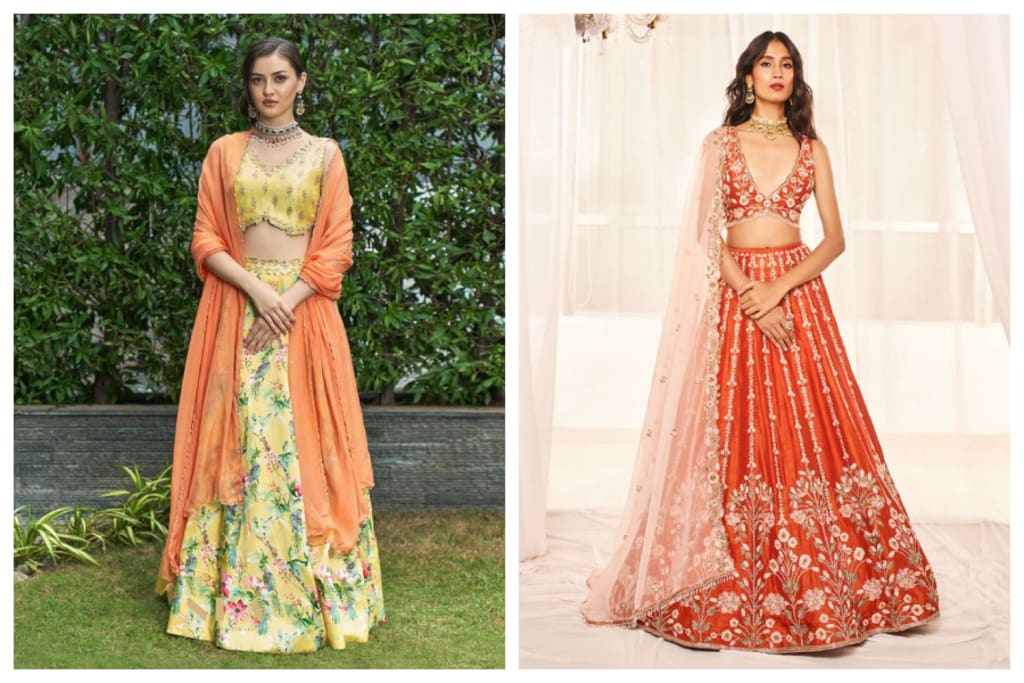
Grand, royal, and striking – traditional Indian silk lehenga dresses have always been in a league of their own. Be it the rich legacy that the attire carries or the ethereal charm that it exudes, silk lehengas for women have always been one step ahead of the rest of the world. Seen on every occasion, be it Diwali, a wedding, or just a traditional themed party, silk lehengas never disappoint.
It's not just the glitz of a silk designer lehenga that steals the show, but also the cultural affinity that comes with it. So, if you have recently been mesmerized by a stunning silk Indian lehenga or have always been a fan of it and are curious to know where this marvelous blend of style and elegance originally stems from, then read along.
Silk Lehengas: The Poster Image of Evergreen Fashion
Dating as early as the Indus Valley civilization, silkworm farming was an established industry in the Indian subcontinent. However, the silk business reached new heights with the foundation of Mulberry silk in medieval times during the reign of the Gupta Dynasty. Being one of the leading exporters of silk, the land saw various kinds of exquisite silks such as mulberry, tussar, muga, and the like. Expensive silks were dispatched for the making of garments for the royal family. One such attire, which was made in pure silk and was of great value, was the silk lehengas.
The most popularized version of a lehenga is still the silk lehenga. For centuries, silk has become a staple of regality. Almost every kind of silk is used to produce lehenga dresses. From Banarasi silk lehenga choli in the north to Kanjivaram silks adorned in the south, silk lehengas for women can be seen being celebrated in every corner of the nation.
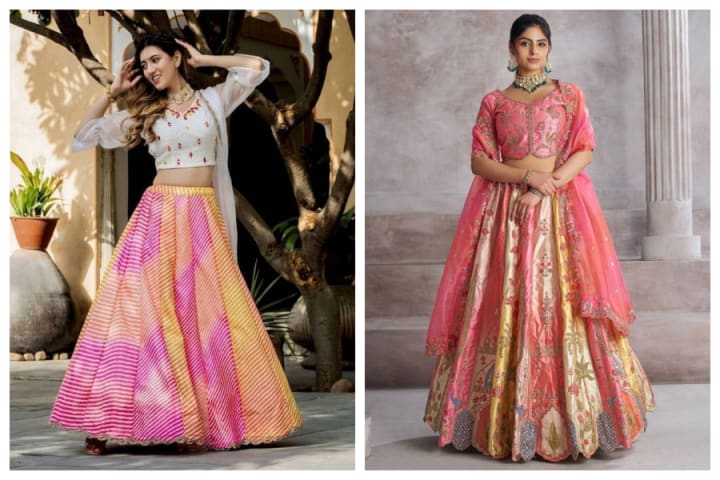
The Rich History of Silk Lehenga Sets of Various Regions in India
Mughal Period: Usually worn on festive occasions, the lehenga choli from the Mughal period bore a heavy influence of Persian fashion. The women of the royal family became the flag-bearers when it came to donning silk lehengas in that era. The lehenga cholis, which were made for the courtly women of the Mughal dynasty, were rich in color, embroidered with the finest of zari, zardozi embroidery, and gota pati work, which was the epitome of opulence and luxury during that time.
Regional variations of the silk lehenga were seen as the silk trade flourished in different parts of the country.
Uttar Pradesh: The courtly women of Uttar Pradesh were recorded adorning silk lehengas made with elegant Banarasi silk with gold brocade work done on them. These were mainly worn in festivals and special royal occasions.
Tamil Nadu: The royal women of Tamil Nadu were seen donning Kanchipuram silk lehengas during the festivities with marvelous temple-inspired motifs embellished on them. The craftsmanship on the lehengas of this time is magnificent and is still carried forward to this day.
Gujarat: While the Patola silk lehengas saw a rise in demand from the royal dynasty of Gujarat, with double ikat weaving being a characteristic of these silk lehengas. These silk lehenga choli sets were seen as the epitome of feminine elegance and royal luxury.
The Evolution of Silk Lehenga Sets Throughout History
From the traditional festive attire of the royal family members to the modern-day hype as one of the prettiest festive outfits, the silk lehenga has evolved and altered according to the fashion and requirements of the time. Although the essence of the outfit has remained the same, the designs and patterns of the lehenga have changed in modern times with unconventional and bold styles.
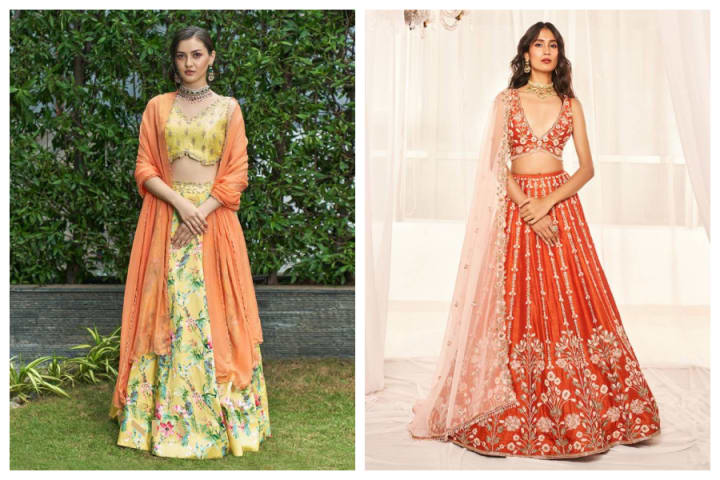
Modern Designs of The Silk Lehenga Choli
Sharara Style Lehenga: The lehenga, or the long voluminous skirt, can now be seen in the silhouette of a sharara style skirt, which are long flared pants.
Straight Cut Lehenga: The straight cut lehengas are where the lehenga is narrow and fitted and does not possess the usual dramatic flare of a traditional lehenga.
Asymmetry Choli: The choli can now be designed to be asymmetrical or a long choli that comes down to the waist instead of a traditional choli, which would end near the bust. All these new additional designs and variants are doing the impressive work of encouraging the younger generations to embrace this traditional outfit.
About the Creator
Keep reading
More stories from Samir Nair and writers in Styled and other communities.
Top Party Wear Lehenga Trends to Try in 2026
When it comes to making a style statement for a wedding, reception party or festive celebration, there is nothing better than a party wear lehenga. With 2026 on the horizon, designers are taking creativity to the next level with bold cuts, bright colors, and drapes that take classic lehengas to the next level. Statement sleeves, crop tops, pastel shades, and metallic shimmer are just some of the trends that are pushing the boundaries of traditional with modern styles in 2026. The following are some of the top lehenga trends for party wear in 2026 that you must try to stay ahead in fashion game:
By Samir Nair4 months ago in Styled
Cocktail Dresses That Are Chic, Comfortable, and Stylish
Cocktail attire has evolved to meet the needs of modern women who want to look polished without sacrificing comfort. Today’s chic cocktail dresses are thoughtfully designed to balance style, ease, and versatility—making them perfect for weddings, evening parties, receptions, and special celebrations.
By Style Sparksa day ago in Styled
FREE THE NIPPLE. BURN THE BRA. APOLOGISE TO OUR SPINES.
There are few things in modern life as quietly infuriating as the social expectation that women should strap themselves into uncomfortable, restrictive underwear every single day for the emotional comfort of strangers. Not safety. Not warmth. Not even practicality. Comfort. Specifically men’s comfort. Because somewhere along the way, we collectively decided that a woman’s nipple is a public threat, while a man’s nipple is background furniture.
By No One’s Daughter7 days ago in Styled


Comments
There are no comments for this story
Be the first to respond and start the conversation.