
The Enduring Legacy of Reebok
From Humble Beginnings to a Global Powerhouse

Introduction: The Rise of a Legendary Brand
Reebok, a name that has become synonymous with athletic excellence and timeless style, has a rich history that spans over six decades. Originating in the heart of England, this iconic brand has evolved from its humble beginnings to become a global powerhouse in the world of sportswear and footwear. At the core of Reebok success lies the Reebok shoes, a collection that has captivated generations of consumers with its unparalleled quality, innovation, and versatility.
One of the most celebrated and enduring models in the Reebok lineup is the Reebok Club C, a shoe that has transcended its athletic roots to become a beloved staple in the casual fashion landscape. The story of the Reebok Club C is a testament to the brand's ability to adapt and reinvent itself, while staying true to its core values of craftsmanship and timeless design.
The Reebok Story: From Bolton to the World
The Reebok story begins in the early 20th century, when a young Joseph William Foster, at the tender age of 14, began designing and crafting some of the earliest spiked running shoes in his bedroom above his father's sweetshop in Bolton, England. Foster's passion for innovation and his commitment to providing athletes with the best possible equipment laid the foundation for what would eventually become the Reebok brand.
In 1958, two of Foster's grandsons, Jeff and Joe Foster, established a companion company to J.W. Foster and Sons, which they named "Reebok," after the Afrikaans word for the grey rhebok, a type of African antelope. This strategic move not only honored the brand's British heritage but also signaled the company's ambition to expand beyond its local roots.
The turning point for Reebok came in 1979, when American businessman Paul Fireman took notice of the brand at the Chicago NSGA (National Sporting Goods of America) Show. Fireman, who had previously been an executive with his family's Boston Camping business, negotiated a deal to license and distribute the Reebok brand in the United States, establishing Reebok USA Ltd.
This partnership proved to be a game-changer, as Reebok's sales skyrocketed from just $1.5 million in 1981 to over $1 billion by the mid-1980s, surpassing Nike as the largest athletic shoe manufacturer in the US.
The Rise of the Reebok Club C
One of the most iconic and enduring models in the Reebok lineup is the Reebok Club C, a shoe that has become a staple in the casual fashion landscape. Debuting in 1985, the Club C was originally designed as a tennis shoe, featuring a leather upper and a terry towel liner. The shoe's signature label window, displaying the Reebok branding alongside a British flag, became an instantly recognizable symbol of the brand's heritage and global aspirations.
The Reebok Club C's timeless appeal and versatility have allowed it to transcend its athletic origins and become a beloved choice for a wide range of consumers. Over the years, the shoe has been pulled from shelves and reintroduced, each time captivating a new generation of admirers. In recent years, the Club C has been the subject of high-profile collaborations, further cementing its status as a true icon of the Reebok brand.
Reebok's Fitness Revolution and the Crossfit Partnership
As the athletic footwear industry evolved, Reebok found itself facing new challenges. In the early 2000s, the brand began to lose contracts to make sportswear for professional and college teams, leading it to reposition itself as a fitness-oriented brand, much like it had been during the 1980s and early 1990s.
One of Reebok's most significant partnerships in this new era was with CrossFit, a fitness company and competitive fitness sport. In 2010, Reebok announced a partnership with CrossFit, which included sponsoring the CrossFit Games, opening CrossFit studios, and introducing a line of co-branded footwear and apparel. This strategic move allowed Reebok to tap into the growing popularity of functional fitness and cement its position as a leader in the industry.
The partnership with CrossFit also led to a significant change in Reebok's branding. In 2011, the brand debuted the CrossFit delta symbol on its fitness apparel line, signaling a shift away from the iconic vector logo that had been used since 1986. This bold move demonstrated Reebok's commitment to its new fitness-focused identity and its willingness to adapt to the changing needs of its consumers.
Reebok's Acquisition by Adidas and the Continued Evolution
In 2005, Reebok's journey took another significant turn when the brand was acquired by German sporting goods company Adidas. The $3.8 billion deal allowed Adidas to strengthen its position in the North American market and leverage Reebok's strong brand recognition and consumer loyalty.
Under Adidas' ownership, Reebok continued to evolve and adapt to the changing landscape of the athletic apparel and footwear industry. In 2006, Adidas replaced Reebok as the official uniform supplier for the NBA, a move that further solidified the brand's position in the professional sports arena.
Despite the changes, Reebok remained committed to its core values of innovation and craftsmanship. The brand continued to introduce new technologies and collaborations, such as the partnership with Les Mills International in 2013, which integrated Reebok footwear and clothing into the fitness company's programs and marketing efforts.
Conclusion: The Enduring Legacy of Reebok
The story of Reebok is one of resilience, innovation, and a relentless pursuit of excellence. From its humble beginnings in Bolton, England, to its current status as a global powerhouse, the brand has consistently reinvented itself, adapting to the changing needs of its consumers and the evolving landscape of the athletic apparel and footwear industry.
At the heart of Reebok's enduring legacy are the Reebok shoes, a collection that has captivated generations of consumers with its unparalleled quality, innovation, and versatility. The Reebok Club C, in particular, has become a true icon of the brand, transcending its athletic roots to become a beloved staple in the casual fashion landscape.
As Reebok continues to evolve and adapt, its commitment to its core values of craftsmanship, innovation, and community engagement remains unwavering. The brand's ability to stay true to its heritage while embracing new challenges and opportunities is a testament to its enduring legacy and its place as a true icon in the world of sportswear and footwear.
About the Creator
Sehrish Khan
I am a content writer and I have used my research and writing skills to create informative content, blogs, and articles on a variety of topics. I am passionate about using the written word to educate and engage audiences.
Reader insights
Nice work
Very well written. Keep up the good work!
Top insights
Compelling and original writing
Creative use of language & vocab
Easy to read and follow
Well-structured & engaging content
On-point and relevant
Writing reflected the title & theme
Keep reading
More stories from Sehrish Khan and writers in Styled and other communities.
The Saucony Shoe Trifecta
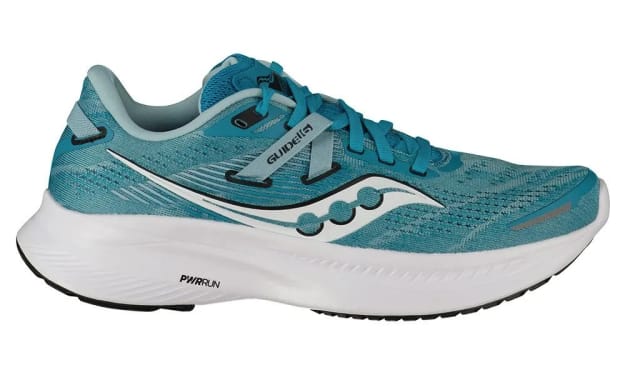
Saucony, the renowned footwear brand, has long been a favorite among runners and athletes alike. In this article, we'll delve into three standout models from Saucony's impressive lineup: the Saucony Shadow 5000, the Saucony shoes for women, and the Saucony Guide 16. Each of these shoes offers a unique blend of performance, style, and comfort, catering to the diverse needs of modern footwear enthusiasts.
By Sehrish Khanabout a year ago in Styled
Latest Women’s Fashion News: Trends Shaping Modern Style
Women’s fashion is undergoing a powerful transformation, shaped by changing lifestyles, global cultural influences, and a growing demand for individuality and responsibility. In recent years, fashion has moved beyond seasonal trends and has become a reflection of personal values, comfort, and confidence. The latest women’s fashion news highlights a dynamic industry where creativity meets practicality, and tradition blends seamlessly with modern innovation. From runways to street style, women’s fashion is redefining how style is perceived and worn across the world.
By duran lorena7 days ago in Styled
FREE THE NIPPLE. BURN THE BRA. APOLOGISE TO OUR SPINES.
There are few things in modern life as quietly infuriating as the social expectation that women should strap themselves into uncomfortable, restrictive underwear every single day for the emotional comfort of strangers. Not safety. Not warmth. Not even practicality. Comfort. Specifically men’s comfort. Because somewhere along the way, we collectively decided that a woman’s nipple is a public threat, while a man’s nipple is background furniture.
By No One’s Daughter5 days ago in Styled


Comments (1)
Thanks for sharing