
The Complete Guide to Lab-Grown Diamonds: Brilliant, Ethical, and Affordable
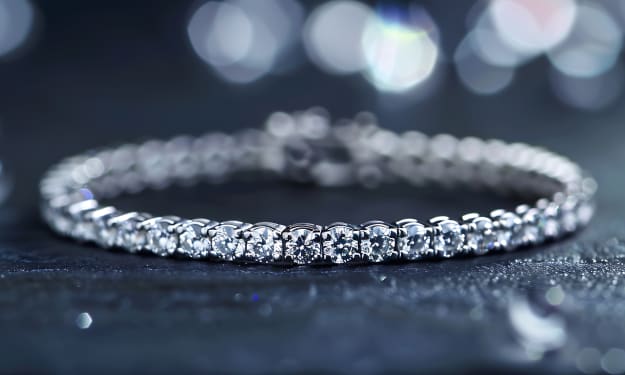
Lab-grown and mined diamonds appear identical, even to trained jewelers


For centuries, diamonds have captured our imagination with their extraordinary brilliance and unparalleled durability. Traditionally obtained through extensive mining operations deep within the Earth, these precious gems now have a revolutionary alternative: lab-grown diamonds.
Peelerie take pride in offering an exceptional collection of lab-grown diamond jewelry that combines stunning quality with ethical sourcing and remarkable value. This comprehensive guide will explore everything you need to know about these extraordinary gems that are transforming the jewelry industry.
What Are Lab-Grown Diamonds?
Lab-grown diamonds (sometimes called man-made or synthetic diamonds) are genuine diamonds created in controlled laboratory environments rather than extracted from the earth. These diamonds possess identical chemical composition, physical properties, and visual characteristics as natural diamonds—they are 100% authentic diamonds.
According to the Gemological Institute of America (GIA), lab-grown diamonds are "diamonds that have been created through human intervention using various techniques to mimic the conditions in which diamonds naturally develop beneath the Earth's surface."
How Are Lab-Grown Diamonds Created?
Scientists employ two principal methods to create these remarkable gems:
High Pressure, High Temperature (HPHT)
This technique replicates the natural conditions under which diamonds form in the Earth's mantle:
- A small diamond seed is placed within pure carbon
- The carbon is subjected to extreme pressure (approximately 1.5 million pounds per square inch)
- Temperatures exceeding 2,500°F are applied to the pressurized carbon
Under these intense conditions, the carbon melts and gradually crystallizes around the seed. When cooled, a fully formed diamond emerges with properties identical to those of natural diamonds.
Chemical Vapor Deposition (CVD)
- This more contemporary approach involves:
- Placing a thin diamond seed slice in a specialized chamber
- Introducing carbon-rich gases into the sealed environment
- Energizing these gases into a plasma state using microwaves or lasers
- Allowing carbon atoms from the gases to gradually accumulate on the seed, building the diamond structure atom by atom
Research published in Materials Today indicates that CVD technology has gained significant popularity recently due to its capacity for producing larger, purer diamonds with more customizable characteristics.
Lab-Grown vs. Natural Diamonds: Understanding the Differences
The truth may surprise you—lab-grown and natural diamonds are virtually indistinguishable in terms of their fundamental properties. Let's explore how these extraordinary gems compare:
Physical and Chemical Structure
Both lab-grown and natural diamonds share identical fundamental composition—pure carbon atoms arranged in a precise cubic crystal structure. This molecular architecture gives both types their exceptional hardness (10 on the Mohs scale), making them the hardest known natural substance. Even under powerful microscopes, their atomic structures appear identical.
Optical Performance
Both varieties exhibit the same refractive index and dispersion properties, which create their legendary brilliance. The way they manipulate light—bending it, separating it into spectral colors, and reflecting it back to the observer—follows identical physical principles. This means the fire, brilliance, and scintillation that diamond enthusiasts prize appear indistinguishable whether the diamond formed naturally or in a laboratory.
Visual Characteristics
To the unaided eye—and even to most jewelers without specialized equipment—lab-grown and natural diamonds cannot be differentiated. Both can display the full spectrum of clarity characteristics, color gradations, and cutting styles. Any distinguishing features are so minute that they require sophisticated gemological instruments to detect.
Formation Process
The key distinction lies in their origin: natural diamonds formed over billions of years deep within Earth under extreme geological conditions, while lab-grown diamonds are created in controlled environments over weeks or months. This difference in formation environment sometimes creates microscopic growth patterns that specialized equipment can identify.
Environmental Considerations
Lab-grown diamonds generally leave a significantly smaller ecological footprint compared to mined diamonds. Diamond mining often involves substantial land disruption, water usage, and carbon emissions. The controlled production process for lab-grown diamonds typically requires fewer resources and creates considerably less environmental impact.
Value Proposition
Perhaps the most practical distinction for consumers is affordability—lab-grown diamonds typically cost 30-50% less than their mined counterparts of equivalent quality and size. This price advantage doesn't indicate inferior quality but rather reflects the efficiency of the production process and streamlined supply chain.
This combination of identical physical properties with ethical and economic advantages makes lab-grown diamonds an increasingly attractive choice for environmentally and socially conscious consumers.
The Benefits of Choosing Lab-Grown Diamonds
Ethical Sourcing
Perhaps the most compelling reason to select lab-grown diamonds is their ethical origin. The diamond mining industry has been associated with various humanitarian concerns, including:
- Conflict or "blood" diamonds financing armed conflicts
- Substandard working conditions and human rights violations
- Child labor practices in certain regions
Lab-grown diamonds completely eliminate these ethical concerns. According to a comprehensive report by Human Rights Watch, lab-grown diamonds provide "a clear alternative for consumers concerned about human rights abuses in the mining sector."
Environmental Responsibility
Traditional diamond mining carries significant environmental consequences:
- Disruption of natural habitats and ecosystems
- Contamination of water sources
- Substantial carbon emissions from extraction operations
In contrast, lab-grown diamonds have a markedly reduced environmental impact. A detailed study by Frost & Sullivan discovered that lab-grown diamonds generate approximately 95% less carbon emissions per carat than their mined counterparts.
Exceptional Value
Lab-grown diamonds typically cost 30-50% less than natural diamonds of comparable quality. This price advantage doesn't reflect any quality difference—it simply results from the more efficient production process and shortened supply chain.
Peelerie value proposition means you can:
- Acquire a larger, higher-quality diamond within your budget
- Invest in a more elaborate or artistic setting
- Purchase complementary pieces for a complete jewelry ensemble
How to Select a Lab-Grown Diamond
Like natural diamonds, lab-grown diamonds are evaluated using the traditional "4 Cs" criteria:
Cut
The cut determines how effectively a diamond interacts with light, creating its characteristic sparkle. Regardless of origin, a well-executed cut yields superior brilliance and fire. Peelerie specialize in exceptionally cut diamonds that maximize visual impact and light performance.
Clarity
Clarity refers to the absence of internal inclusions and external blemishes. Lab-grown diamonds can have inclusions similar to natural diamonds, though the controlled environment often results in fewer imperfections. Learn more about diamond clarity standards on Peelerie's educational resources page.
Color
Diamonds are graded on a scale from D (completely colorless) to Z (light yellow or brown). Lab-grown diamonds are available across this entire spectrum, with technological advances enabling the creation of fancy colored diamonds as well. Explore Peelerie colored diamond selection for striking options.
Carat
Carat measures the diamond's weight. Lab-grown diamonds are available in various sizes, from delicate accent stones to impressive center diamonds. Browse Peelerie diamond size guide to identify your ideal carat weight.
Lab-Grown Diamond Certification
Quality lab-grown diamonds come with certification from recognized gemological authorities. Peelerie lab-grown diamonds include certificates from respected institutions such as:
- International Gemological Institute (IGI)
- Gemological Institute of America (GIA)
- GCAL (Gem Certification & Assurance Lab)
These certificates authenticate the diamond's origins and quality characteristics, providing complete confidence in your investment.
Signature Lab-Grown Diamond Collections at Peelerie Jewelry
Engagement Rings
Peelerie's lab-grown diamond engagement rings showcase exquisite center stones in various cuts and settings. From timeless solitaires to elaborate halo designs, we offer options to complement every style preference and budget consideration.
Earrings
From sophisticated studs to dramatic drops, Peelerie's lab-grown diamond earrings add the perfect accent of brilliance to any ensemble.
Necklaces
Peelerie pendant collection features lab-grown diamonds in versatile designs that transition effortlessly from daytime to evening wear.
Bracelets
Elevate your wrist with Peelerie tennis bracelets and bangles, featuring meticulously matched lab-grown diamonds.
Caring for Your Lab-Grown Diamond
Lab-grown diamonds require the same maintenance as natural diamonds:
- Clean regularly using mild soap and warm water
- Use a soft brush to remove debris from intricate settings
- Store separately to prevent contact with other jewelry
- Schedule professional cleaning and inspection annually
For detailed maintenance instructions, visit Peelerie's comprehensive jewelry care guide.
Frequently Asked Questions
Are lab-grown diamonds "imitation" diamonds?
No, lab-grown diamonds are genuine diamonds with identical chemical composition and physical properties to mined diamonds. They should not be confused with diamond simulants like cubic zirconia or moissanite, which merely resemble diamonds but have different chemical compositions.
Do lab-grown diamonds retain their value?
While all jewelry is subject to market fluctuations, lab-grown diamonds offer outstanding initial value. Peelerie provide a diamond upgrade program that allows you to trade in your lab-grown diamond toward a larger stone in the future.
Can professional jewelers identify lab-grown diamonds?
Without specialized equipment, even experienced jewelers cannot distinguish between lab-grown and mined diamonds. Both types appear identical under standard visual examination.
Will lab-grown diamonds maintain their appearance over time?
Absolutely. Lab-grown diamonds maintain their beauty and brilliance just like natural diamonds. Their exceptional hardness (10 on the Mohs scale) ensures they resist scratching and maintain their polish for generations.
The Diamond Revolution
Lab-grown diamonds represent the perfect fusion of tradition and innovation—offering the timeless allure of diamonds with contemporary ethical and environmental advantages. Peelerie dedicated to providing these exceptional gems at accessible prices.
We invite you to explore their collection online or visit their showroom for a personalized consultation. They're expert gemologists can help you discover the perfect lab-grown diamond piece to commemorate life's most meaningful moments.
----------------------------------------------------------------------------------------

About the Creator
Martha James
I'm a writer passionate about sharing ideas that matter. I explore the nuances of everyday life and tackle complex topics with clarity and insight.
Keep reading
More stories from Martha James and writers in Styled and other communities.
How to Tell if a Tennis Bracelet is Real: The Ultimate Authentication Guide That Could Save You Thousands
Tennis bracelets have become one of the most coveted jewelry pieces of 2025, but with their popularity comes a flood of convincing counterfeits. Whether you're shopping vintage, online, or considering that "too good to be true" deal, knowing how to authenticate a tennis bracelet could save you from a costly mistake.
By Martha James8 months ago in Styled
Global Cosmetics Market Size & Forecast 2025–2033
Introduction The global cosmetics market is undergoing one of the most dynamic transformations in its history. No longer defined solely by glamour and aesthetics, the modern beauty industry is increasingly driven by innovation, sustainability, digital engagement, and consumer awareness. From vegan formulations and personalized skincare to AI-powered beauty consultations and social commerce, cosmetics has become a powerful intersection of lifestyle, science, and identity.
By Marthan Sir6 days ago in Styled


Comments
There are no comments for this story
Be the first to respond and start the conversation.