
Sustainable Fabrics You Should Know About in 2025: The Future of Ethical Fashion
Discover the Eco-Friendly Materials Powering the Future of Fashion
Introduction:
As awareness of the fashion industry's environmental impact continues to grow, 2025 marks a turning point for ethical fashion. Consumers are becoming more conscious, not just about how their clothes look, but how they’re made—and more importantly, what they’re made from. Sustainable fabrics have emerged as a cornerstone of the slow fashion movement, offering an eco-conscious alternative to fast fashion’s wasteful practices. Choosing clothing made from these fabrics is one of the most effective ways to reduce your carbon footprint and support a greener future. But with so many options available today, it can be challenging to identify the most genuinely sustainable materials.
In this guide, we’ll explore the top sustainable fabrics making waves in 2025, spotlighting innovative, ethical brands like Reistor, which are leading the way with mindful design and eco-friendly textiles.
What Makes a Fabric Sustainable?
A sustainable fabric is one that is created with minimal harm to the environment and supports fair, ethical labor practices.
These fabrics often:
Use renewable or recycled resources
Require less water, energy, and chemicals
Avoid pesticides and synthetic fertilizers
Biodegrade more easily at the end of their life cycle
Are produced under certifications like GOTS (Global Organic Textile Standard) and OEKO-TEX
By choosing garments made with these materials, consumers help reduce pollution, lower resource consumption, and encourage better conditions for workers around the world.
Hemp: A Durable Eco-Alternative
One of the most celebrated fabrics of 2025, hemp continues to gain popularity for its versatility and minimal environmental footprint. It grows rapidly, requires no pesticides, and consumes significantly less water than cotton. Hemp also enriches the soil it grows in, making it a regenerative crop.
Its natural durability, breathability, and UV resistance make hemp ideal for everything from summer tops to outerwear. Brands like Reistor are utilizing hemp in their collections to create long-lasting pieces that combine minimalist style with meaningful impact. Whether it’s a flowy dress or a lightweight shirt, hemp is redefining comfort with a conscience.
Tencel™: Soft, Sustainable, and Circular
Tencel™, a branded form of lyocell, is produced from sustainably sourced wood pulp, typically from eucalyptus, beech, or spruce trees. Its production involves a closed-loop system that recycles more than 99% of the solvents and water used, making it one of the cleanest fabric manufacturing processes in the world.
Tencel™ is renowned for its silky feel, breathability, and gentle drape, making it a favorite for everyday essentials and elegant pieces alike. Reistor integrates Tencel™ into many of its designs, showcasing how comfort, luxury, and sustainability can coexist beautifully.
Organic Cotton: Cleaner and Kinder
Traditional cotton is resource-intensive and often grown with harmful chemicals. In contrast, organic cotton is cultivated without toxic pesticides or synthetic fertilizers, preserving soil health and protecting water sources.
It’s hypoallergenic, soft, and suitable for sensitive skin, making it a go-to for conscious consumers. Brands like Pact, YesAnd, and Thought Clothing lead the charge with organic cotton basics and timeless wardrobe staples that reflect both simplicity and sustainability.
Bamboo Viscose: Soft, But with Caveats
Bamboo is a fast-growing plant that requires little water or maintenance, making it inherently eco-friendly. However, turning bamboo into viscose or rayon typically involves chemical-heavy processing that can offset its sustainability benefits.
That said, brands like Boody and Thought are working to improve production methods, employing closed-loop processes and non-toxic solvents to reduce harm. The result is a buttery-soft, breathable fabric that’s better for the planet when produced responsibly.
Recycled Fabrics: Closing the Loop
Recycled polyester and nylon, often made from discarded plastic bottles, fishing nets, or textile waste, are essential players in the circular fashion economy. These materials help reduce landfill waste and prevent ocean pollution while cutting down on virgin resource use.
Brands like Outerknown, Girlfriend Collective, and Patagonia are known for their use of recycled fibers in everything from athleisure to outerwear. By choosing recycled fabrics, you contribute to a system that gives materials a second life, reducing overall waste.
Deadstock Fabrics: Zero-Waste Fashion
Deadstock fabrics are leftover textiles from larger fashion houses that would otherwise end up in landfills. By repurposing these materials, smaller brands reduce textile waste while offering limited-edition, one-of-a-kind styles.
Christy Dawn is a pioneer in this space, creating romantic, vintage-inspired clothing from deadstock materials. Each piece tells a story of resourcefulness and respect for the planet.
Why Fabric Choice Matters
The fabric you choose is more than a fashion statement—it’s a vote for the kind of world you want to live in. From water use to chemical runoff, each fiber has a distinct environmental footprint. Opting for sustainable fabrics means reducing waste, conserving resources, and supporting brands that prioritize ethical production and worker well-being.
In 2025, with climate change more urgent than ever, your fabric choices are powerful tools for change. Conscious fashion isn’t just about buying less—it’s about buying better.
Conclusion: The Future Is Fabric-First
Understanding sustainable fabrics helps you become a more mindful shopper. By choosing garments made from hemp, Tencel™, organic cotton, and other eco-conscious materials, you’re not just keeping up with trends—you’re helping shape the future of fashion.
Brands like Reistor are leading the charge by using low-impact materials and clean processes that prioritize both people and the planet. As you build your wardrobe in 2025 and beyond, let these fabrics guide you toward a more ethical, stylish, and sustainable lifestyle.
About the Creator
Keep reading
More stories from writers in Styled and other communities.
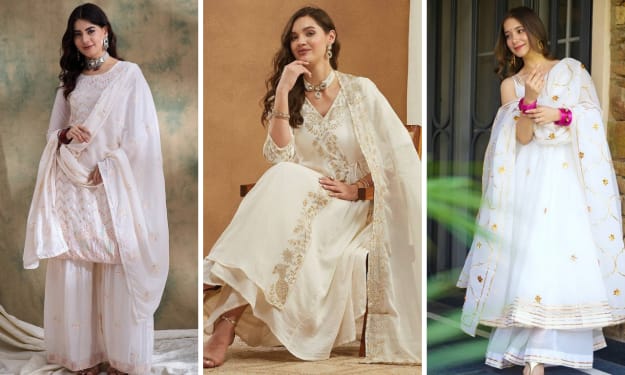
Reel-Ready White Salwar Kameez Styles That Photograph Beautifully
For social media and festive fashion in 2026, white salwar kameez is a favourite option for women looking for outfits that are as flattering IRL as they appear on camera. And whether you are posting a reel from a family party, festival celebration or Sunday brunch with your friends, the perfect white salwar kameez style can give you stunning visuals with minimal effort no matter how styled up (or down) it appears.
By Amit Mandala day ago in Styled
So You Decided To Become a Nurse Practitioner:
So you decided to become an "Advanced Practice" nurse. Congratulations!... is what I would say if this was a good idea. Grad school? In this economy? What were you thinking? Likely it was something along the lines of either 1) “I've seen these other chucklefucks do it— Why can't I?” or even 2) “I've got a nice career, I should shake it up. I miss feeling like I have no clue what I'm doing.”
By Sandor Szabo6 days ago in Fiction



Comments
There are no comments for this story
Be the first to respond and start the conversation.