
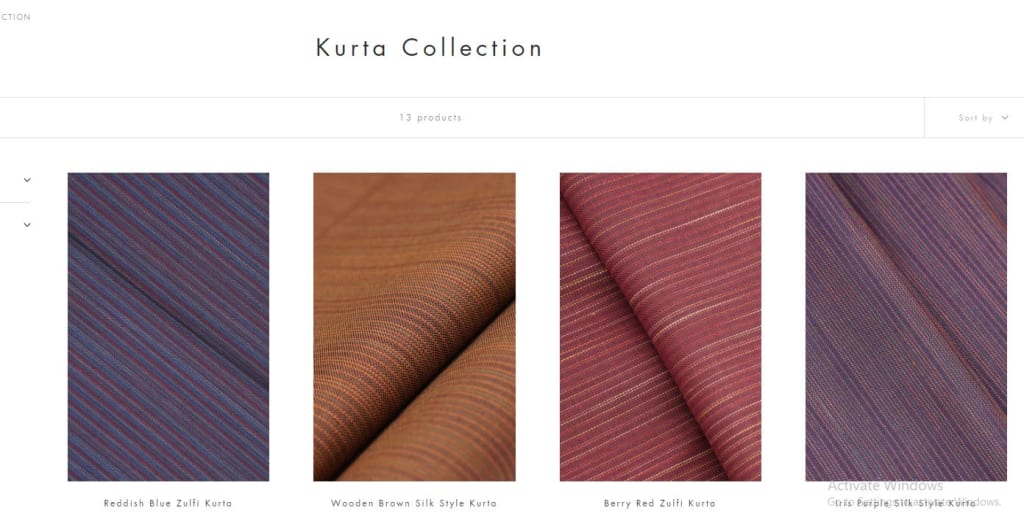
Cotton fabric is a timeless textile that has shaped cultures and industries around the globe for centuries. Originating from the cotton plant, this natural fiber has been used in everything from clothing to industrial applications. The global demand for cotton remains as strong as ever, largely because of its unmatched comfort, versatility, and affordability. Whether you're looking for high-quality cotton for fashion or home use, understanding its roots and evolution is key to appreciating the importance of this material.
History of Cotton Fabric
The story of cotton dates back over 7,000 years, with evidence of its use in ancient civilizations such as those in Egypt, India, and Peru. These early societies recognized the value of cotton for its softness and breathability, making it a crucial material in their daily lives. Today, the production and trade of cotton fabric play a pivotal role in economies around the world.
Cotton as a Natural Fiber
As a natural fiber, cotton is prized for its softness and breathability. Unlike synthetic fibers, cotton allows the skin to breathe, making it an ideal choice for clothing, especially in warm climates. Cotton's ability to absorb moisture makes it comfortable and easy to wear for long periods.
Cotton in Modern Textile Industry
In modern times, the textile industry relies heavily on cotton fabric for various purposes, from everyday clothing to specialized industrial textiles. The advent of organic cotton production has further broadened the appeal of this fiber, aligning with today's environmental and ethical consumer demands.
2. How Cotton Fabric is Made
The journey from the cotton plant to the fabric we know and love is a complex, multi-step process. Each stage of production contributes to the quality and characteristics of the final product.
Growing Cotton Plants
Cotton grows best in warm, tropical climates with plenty of sunshine and rainfall. The plant produces fluffy white fibers that are harvested for textile production.
Harvesting Cotton
Traditionally, cotton was picked by hand, but today, most cotton is harvested using specialized machinery. This mechanical process ensures efficiency but can sometimes compromise the quality of the cotton fibers.
Processing and Spinning
Once harvested, the cotton is processed to remove seeds and other impurities. The cleaned cotton fibers are then spun into yarn, which serves as the foundation for making fabric.
Weaving and Knitting
Depending on the intended use, cotton yarn is woven or knitted into fabric. Weaving creates a tighter, stronger material, while knitting results in a stretchier, more flexible fabric.
3. Types of Cotton Fabric
Cotton fabric is not a one-size-fits-all material. Different types of cotton offer unique benefits, making each type suitable for specific applications.
Egyptian Cotton
Renowned for its luxurious feel, Egyptian cotton is grown in the fertile Nile River Valley. Its long fibers create an incredibly soft, durable fabric that is perfect for high-end products like sheets and clothing.
Pima Cotton
Pima cotton, known for its extra-long fibers, is highly regarded for its softness and strength. It is often used in premium clothing items, offering both comfort and durability.
Organic Cotton
Organic cotton is grown without the use of synthetic pesticides or fertilizers, making it an environmentally friendly option. It is increasingly popular with eco-conscious consumers looking for sustainable fabrics.
Supima Cotton
Supima cotton is a branded form of Pima cotton grown in the United States. It is known for its superior quality and is often used in high-end products.
FAQs
How is cotton fabric different from other fabrics? Cotton fabric is a natural fiber that is breathable, soft, and absorbent, unlike synthetic fabrics like polyester, which can trap heat and moisture.
What makes Egyptian cotton special? Egyptian cotton is known for its long fibers, which result in a smoother, stronger, and softer fabric, making it ideal for luxury bedding and clothing.
How do you care for cotton fabric? Cotton fabric is generally easy to care for. Machine wash in cold water and dry on low heat to prevent shrinkage.
What are the environmental benefits of cotton fabric? Organic cotton, in particular, is sustainable and biodegradable, making it a better choice for the environment compared to synthetic fabrics.
Is cotton fabric suitable for sensitive skin? Yes, cotton is hypoallergenic and gentle on sensitive skin, making it ideal for babies and individuals with skin sensitivities.
How do you prevent cotton fabric from shrinking? To prevent shrinkage, wash cotton in cold water and avoid high-heat drying settings.
About the Creator
Keep reading
More stories from jack daniel and writers in Styled and other communities.
unstitched fabric
In the world of textiles, unstitched fabric holds a unique place. Whether you're a fashion enthusiast, a professional designer, or simply someone who appreciates quality materials, understanding unstitched fabric is crucial. This article delves deep into the intricacies of unstitched fabric, exploring its types, uses, and how it compares to other fabric forms.
By jack daniel2 years ago in Art
Best Wigs for 2026 Spring
Spring always feels like a fresh start. The weather warms up, the days get longer, and many of us feel the urge to switch up our look. Hair is often the first thing we change. But if you’ve ever tried restyling your natural hair every week, you already know it can be a lot of work. That’s one reason wigs are still having a big moment in 2026.
By manman zhai7 days ago in Styled
The Gold Chain Has Become Britain's Most Personal Accessory
She stood at the bar in a south London pub on a Friday evening, her collarbone stacked with five chains of varying lengths, each one catching the light differently as she laughed. One was delicate, barely visible. One was thick and flat, sitting heavy against her chest. Another carried a small pendant, a tiny crescent moon, swinging gently with every movement.
By CurlsAndCommas5 days ago in Styled
Hottest in the Office
Dear Rafi, You’re very distracting to work around. For the first second I saw you the other day, I thought you were some type of executive. It took a moment to realize no, you were just the new guy, dressed up for the job he wants. Be still, my heart.
By Gabriel Shamesa day ago in Pride



Comments
There are no comments for this story
Be the first to respond and start the conversation.