
Long Hair and Lifestyle
How Your Routine Affects Your Hair Health

Long, luscious locks have always been a symbol of beauty, health, and vitality. However, maintaining the health of long hair requires more than just regular shampooing and conditioning. Your daily lifestyle choices — from your diet and hydration habits to your stress levels and sleep patterns — can have a profound impact on your hair’s strength, shine, and overall health. In this comprehensive guide, we’ll explore how various aspects of your routine affect your long hair and provide actionable tips to keep it looking its best.
The Connection Between Lifestyle and Hair Health
Hair is primarily made of keratin, a protein that forms the structure of each strand. While your genetics determine the maximum potential length and thickness of your hair, your lifestyle habits play a significant role in whether your hair reaches its full potential. Here are some key factors:
1. Diet: What you eat directly affects hair growth and quality.
2. Hydration: Staying hydrated impacts hair elasticity and moisture.
3. Stress Levels: Chronic stress can lead to hair loss.
4. Sleep Patterns: Poor sleep can disrupt hair growth cycles.
5. Exercise: Regular physical activity promotes healthy circulation, which benefits your scalp.
1. Nutrition and Long Hair Health
Your hair needs the right nutrients to grow and stay healthy. A deficiency in essential vitamins and minerals can lead to hair thinning, dryness, and breakage. Here are the key nutrients for long hair:
• Protein: Since hair is made of protein, including enough in your diet is essential. Sources: eggs, fish, nuts, and beans.
• Iron: Iron deficiency is a common cause of hair loss. Sources: spinach, lentils, and red meat.
• Biotin: Known as the "hair growth vitamin," biotin strengthens hair. Sources: eggs, almonds, and avocados.
• Omega-3 Fatty Acids: These provide essential oils to your scalp. Sources: salmon, walnuts, and flaxseeds.
• Vitamins A, C, and E: These vitamins promote hair strength and shine. Sources: carrots, citrus fruits, and leafy greens.
Quick Fact:
A study published in the Journal of Dermatology found that women with hair thinning often had lower levels of iron and Vitamin D. Ensuring adequate intake of these nutrients can prevent such issues.
2. Hydration: A Key to Hair Elasticity
Dehydration doesn’t just affect your skin; it also impacts your hair. When your body is dehydrated, it prioritizes essential functions like organ maintenance over hair health. This can lead to dry, brittle hair that’s prone to breakage.
Tips for Hydration:
• Drink at least 8-10 glasses of water daily.
• Use hydrating hair products like leave-in conditioners and serums.
• Avoid excessive caffeine and alcohol, as they can dehydrate your body and hair.
Did You Know?
According to a report by the American Academy of Dermatology, hydrated hair is 10% more elastic, reducing breakage during brushing or styling.
3. Stress and Its Impact on Hair
Stress is one of the leading causes of hair issues, including hair fall and thinning. Stress triggers the release of cortisol, a hormone that can disrupt your hair’s natural growth cycle.
Types of Stress-Related Hair Loss:
• Telogen Effluvium: Temporary hair shedding caused by stress.
• Alopecia Areata: An autoimmune condition triggered by severe stress, leading to patchy hair loss.
Stress Management Tips:
• Practice mindfulness or meditation.
• Engage in hobbies that relax you, such as painting or gardening.
• Exercise regularly to release endorphins.
Statistic:
A 2020 survey by the Cleveland Clinic found that 78% of people who experienced significant stress also reported noticeable hair thinning.
4. Sleep and Hair Growth Cycles
Sleep is when your body repairs and regenerates itself, including your hair follicles. Lack of sleep can disrupt your hair’s growth cycle, leading to increased shedding.
How Sleep Affects Hair:
• Growth hormones released during deep sleep stimulate hair follicle activity.
• Poor sleep can lead to increased oxidative stress, weakening hair roots.
Tips for Better Sleep:
• Maintain a consistent sleep schedule.
• Avoid screens at least an hour before bedtime.
• Use silk pillowcases to reduce friction on your hair while sleeping.
Fun Fact:
A study published in the Journal of Clinical Sleep Medicine revealed that individuals who slept less than six hours a night were 40% more likely to experience hair issues.
5. Exercise and Scalp Health
Exercise improves blood circulation, including to your scalp. This increased blood flow delivers essential nutrients and oxygen to hair follicles, promoting growth.
Best Exercises for Hair Health:
• Yoga: Reduces stress and improves blood flow to the scalp.
• Cardio: Increases overall circulation.
• Scalp massages: Stimulates blood flow directly to hair follicles.
Pro Tip:
Incorporate a 5-minute scalp massage into your post-workout routine to maximize blood flow benefits.
6. Environmental Factors
Long hair is more exposed to environmental damage such as pollution, UV rays, and harsh weather conditions. These can weaken the hair shaft and cause split ends.
Protective Measures:
• Wear a hat or scarf when outdoors.
• Use hair products with UV protection.
• Wash hair after exposure to pollutants.
Fun Fact:
Studies show that pollutants like particulate matter (PM2.5) can increase scalp buildup, reducing hair growth by 20%.
7. Hair Care Routine for Long Hair
Your daily hair care routine can either support or sabotage your hair’s health. Here’s a simple yet effective routine:
• Cleansing: Use sulfate-free shampoos to avoid stripping natural oils.
• Conditioning: Focus on the mid-lengths and ends to prevent dryness.
• Deep Conditioning: Use a hair mask once a week for added hydration.
• Trimming: Get a trim every 6-8 weeks to avoid split ends.
• Styling: Avoid excessive heat styling and always use a heat protectant.
Pro Tip:
Switch to wooden combs to minimize static and breakage when detangling long hair.
Additional Factors That Influence Long Hair Health
While diet, hydration, and stress play significant roles in maintaining the health of long hair, there are several other aspects of your lifestyle and environment that can impact your hair. Paying attention to these often-overlooked factors can further enhance your hair care routine and overall results.
The Role of Hormones in Hair Health
Hormonal fluctuations, whether due to age, pregnancy, or medical conditions, can significantly affect the condition of your hair. For example:
• Pregnancy and Postpartum: Many women experience thicker, shinier hair during pregnancy due to higher estrogen levels. However, postpartum hair loss is common as hormone levels normalize.
• Thyroid Issues: Both hypothyroidism and hyperthyroidism can lead to hair thinning or loss.
• Menopause: The reduction in estrogen during menopause often causes hair to become thinner and more brittle.
Tips for Managing Hormonal Changes:
• Consult a healthcare provider for appropriate treatments or supplements if hormonal imbalances are suspected.
• Include foods rich in phytoestrogens, such as soy and flaxseeds, to support hormonal health.
Did You Know?
A 2019 study in the International Journal of Trichology found that over 70% of women experiencing hair loss had underlying hormonal imbalances.
Seasonal Changes and Hair Care
Your hair’s needs change with the seasons, and adapting your routine can help mitigate seasonal damage.
• Winter: The dry air and indoor heating can strip moisture from your hair, leading to static and brittleness.
o Use hydrating hair masks and oils to combat dryness.
• Summer: UV rays and chlorine from pools can damage the hair shaft.
o Opt for leave-in conditioners with UV protection and rinse hair immediately after swimming.
• Spring and Fall: These transitional seasons often lead to increased shedding due to changes in daylight and temperature.
Pro Tip:
Switch to a humidifier in winter months to keep the air, and your hair, hydrated.
The Impact of Styling Practices
How you style your hair regularly can either enhance or damage its health. Certain practices can stress your strands, leading to breakage or loss over time.
Heat Styling:
• Blow-dryers, straighteners, and curling irons can weaken the hair’s protein structure. Always use a heat protectant and limit heat exposure.
Tight Hairstyles:
• Constantly pulling your hair into tight ponytails or braids can cause traction alopecia, a condition where hair is pulled out at the roots.
Chemical Treatments:
• Frequent dyeing, bleaching, or relaxing can leave hair brittle and prone to breakage. If these treatments are unavoidable, ensure proper aftercare with nourishing masks and serums.
Did You Know?
A 2020 report from the Journal of Cosmetic Dermatology revealed that improper styling habits contributed to hair damage in over 40% of participants.
The Importance of Scalp Care
Healthy hair starts at the scalp. An unhealthy scalp can lead to issues like dandruff, clogged follicles, and slow hair growth.
Scalp Care Tips:
• Exfoliation: Use a gentle scalp scrub once a month to remove buildup from styling products and oils.
• Massage: Regular scalp massages not only feel great but also stimulate blood flow and promote hair growth.
• Avoid Overwashing: Washing your hair too frequently can strip your scalp of natural oils, leading to dryness and irritation.
Fun Fact:
Massaging your scalp for just 5 minutes a day can increase hair thickness by improving follicle circulation, according to a 2016 study in the International Journal of Dermatology.
Protective Hairstyles for Long Hair
Protective hairstyles can help reduce daily wear and tear on your hair, especially if it’s long. These styles minimize manipulation and exposure to environmental elements.
Popular Protective Styles:
• Loose braids or twists
• Low buns or chignons
• Silk or satin hair wraps for sleeping
Pro Tip:
Avoid using elastic bands that can snag and break your hair. Instead, opt for scrunchies or spiral hair ties.
Hair Masks and DIY Treatments
Sometimes, your hair needs extra care beyond your daily routine. Hair masks, whether store-bought or DIY, provide deep hydration and nourishment.
DIY Hair Mask Recipe:
• 2 tablespoons coconut oil
• 1 tablespoon honey
• 1 egg yolk
Mix and apply to damp hair. Leave it on for 30 minutes before rinsing with lukewarm water.
Lifestyle Changes for Lasting Results
Long hair care is not about quick fixes but a sustained commitment to a healthier lifestyle. Start small: drink more water, prioritize nutrient-rich meals, and give your scalp some love. Over time, these changes will yield stronger, shinier, and more resilient hair. You can also find some of the best hair care products from TrueGether, the best eBay alternative.
By staying proactive and informed about your hair’s needs, you can truly enjoy the beauty and versatility of long hair.
Conclusion
Your long hair is a reflection of your lifestyle. From the foods you eat and the water you drink to how you manage stress and sleep, every aspect of your routine contributes to your hair’s health. By making conscious, healthy choices, you can ensure your locks remain strong, shiny, and beautiful for years to come.
Remember, consistency is key. Small, daily changes in your habits can lead to significant improvements in your hair health over time. So, embrace a balanced lifestyle and watch your long hair thrive like never before!
About the Creator
Ruby
I am an enthusiastic writer with a pinch of creativity. I write compelling stories that will leave you astounded and satiated at the same time.
What Are the Best Structured Dresses for Corporate Offices?
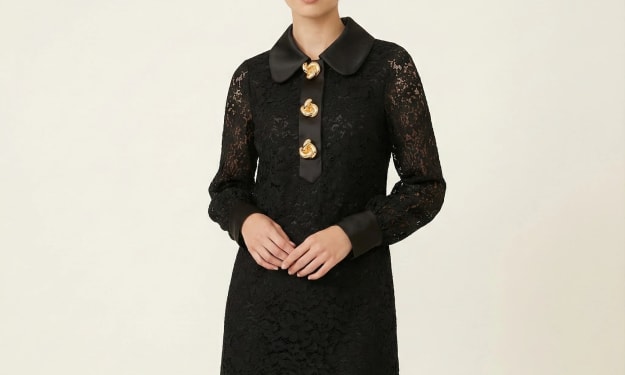
Dressing for a corporate office often requires a careful balance between professionalism and personal style. While traditional business attire once leaned heavily on suits and separates, modern workplaces have gradually embraced more versatile options. Among them, structured dresses have become one of the most reliable choices for women navigating professional environments.
By BTK COLLECTIONabout 4 hours ago in Styled



Comments
There are no comments for this story
Be the first to respond and start the conversation.