

Short hairstyles have always been a symbol of boldness, freedom, and style. Among the most iconic short hairstyles are the pixie and bob cuts, each with its own unique charm and appeal. But how do you decide which one is the best fit for you? This guide dives deep into the differences, benefits, and considerations for both styles, complete with facts, figures, and tips to help you make the best choice.
The Pixie Cut: Bold and Chic
Overview
The pixie cut is a short hairstyle typically cropped close to the head, with slightly longer layers on top for texture. It gained massive popularity in the 1950s and 1960s, thanks to icons like Audrey Hepburn and Mia Farrow. Today, celebrities like Charlize Theron and Zendaya continue to prove its timeless appeal.
Key Features:
• Length: Very short, typically above the ears.
• Styling Options: Can be styled sleek, tousled, or spiky.
• Maintenance: Requires frequent trims (every 4–6 weeks) to maintain shape.
• Face Shape Suitability: Best for oval, heart, and round face shapes.
Benefits of a Pixie Cut
1. Low Maintenance: Styling is quick, and washing/drying time is minimal. According to a survey by Allure, women with pixie cuts spend 40% less time on their hair daily compared to longer styles.
2. Cost-Effective: Less product is required, and fewer salon visits are needed.
3. Empowering Style Statement: Psychologists suggest that shorter haircuts, like the pixie, can be perceived as a sign of confidence and independence.
Considerations:
• Requires regular trims to avoid looking unkempt.
• Limited styling versatility compared to longer hair.
• Exposes more facial features, which may require confidence in your natural look.
The Bob Cut: Versatile and Elegant
Overview
The bob cut dates back to the early 1900s, gaining prominence during the flapper era. It features hair cut straight around the head at jaw-length or slightly below. Variations like the A-line bob, lob (long bob), and layered bob offer modern twists on this classic style.
Key Features:
• Length: Typically chin-length to shoulder-length.
• Styling Options: Can be straight, wavy, or curly.
• Maintenance: Requires trims every 6–8 weeks to maintain shape.
• Face Shape Suitability: Works well with all face shapes, depending on the variation.
Benefits of a Bob Cut
1. Versatility: Offers more styling options, from sleek and polished to tousled and casual.
2. Universally Flattering: Different variations can suit any face shape or hair texture.
3. Professional and Polished: Often seen as a sophisticated hairstyle for women in the workplace.
Considerations:
• Longer than a pixie, so it requires slightly more time to style.
• Regular trims are needed to maintain the sharpness of the cut.
• May not be as low-maintenance as the pixie cut.
Pixie vs. Bob: By the Numbers
Feature Pixie Cut Bob Cut
Average Maintenance Cost (per year) $300–$400 (frequent trims) $200–$300 (less frequent trims)
Styling Time (daily) 5–10 minutes 10–20 minutes
Popularity 20% of women try pixie cuts in their lifetime (Vogue) 50% of women have tried a bob (Harper’s Bazaar)
Search Volume (Google) 12,000 monthly searches (pixie) 40,000 monthly searches (bob)
Choosing Based on Face Shape
• Oval Face: Both pixie and bob cuts work well, as this face shape is versatile.
• Round Face: A pixie cut with volume on top elongates the face, while an angled bob adds definition.
• Heart Face: Pixie cuts with side-swept bangs soften the forehead, while bobs with volume at the chin balance the jawline.
• Square Face: Textured pixie cuts soften angular features, while layered bobs create a more rounded appearance.
Hair Texture Considerations
• Fine Hair: Pixie cuts add the illusion of thickness. For bobs, opt for a layered or wavy style to enhance volume.
• Thick Hair: A pixie cut can be thinned out for manageability, while a bob can showcase the hair's natural density.
• Curly Hair: Pixie cuts can emphasize curl patterns, while bobs can provide structure and shape.
Styling and Maintenance
Style Pixie Cut Bob Cut
Styling Tools Needed Texturizing spray, styling cream Straightener, curling iron, hair mousse
Time Investment Minimal, about 5 minutes Moderate, about 15–20 minutes
Product Usage Less product needed Moderate product usage
Celebrity Inspiration
• Pixie Icons: Halle Berry, Natalie Portman, Ruby Rose.
• Bob Icons: Victoria Beckham, Taylor Swift, Lucy Hale.
Which One Is Right for You?
To choose between a pixie and a bob, consider your lifestyle, maintenance preferences, and personal style.
• Opt for a pixie cut if you:
o Want a bold, edgy look.
o Prefer minimal styling time.
o Are comfortable highlighting your facial features.
• Opt for a bob cut if you:
o Want versatility and styling options.
o Prefer a universally flattering style.
o Are willing to invest a bit more time in maintenance.
The Emotional Connection to Short Hairstyles
Short hairstyles like the pixie and bob are more than just a fashion choice—they can represent personal transformation, liberation, and individuality. Psychologists have noted that many women choose to cut their hair short during significant life changes, such as starting a new job, overcoming a breakup, or celebrating milestones. This makes the decision to go short deeply personal and empowering.
A survey conducted by Elle magazine revealed that 65% of women who switched to short hairstyles felt a boost in confidence and a sense of freedom. Short hairstyles strip away the need for complex routines and focus attention on the face, allowing women to embrace their natural beauty.
For those contemplating a drastic change, understanding the psychological impact of a short haircut can help align the choice with their emotional goals.
Seasonal Considerations: Pixie vs. Bob
The season and climate can also influence your decision between a pixie and a bob cut.
• Pixie Cut in Summer: The pixie cut’s ultra-short length makes it an ideal choice for hot weather. With less hair on your neck and shoulders, it provides a cooling effect. Additionally, it’s quick to style, making it perfect for beach days and summer vacations.
• Bob Cut for All Seasons: The bob cut’s versatility makes it suitable year-round. In winter, the slightly longer length can provide some coverage and warmth, while in summer, a chin-length bob can still be breezy. Styling variations—such as a sleek bob for formal events or a wavy bob for casual outings—make it adaptable to seasonal trends.
If you live in a hot and humid climate, a pixie cut might be more practical for keeping cool, while a bob might suit those in milder or colder regions.
Cultural Influence of Pixie and Bob Cuts
Both hairstyles have had cultural moments that elevated their popularity.
• Pixie in Pop Culture: The pixie cut became a symbol of rebellion during the 1960s, when stars like Mia Farrow chopped their hair in defiance of traditional beauty standards. Today, it’s a frequent choice for celebrities looking to make a statement, from Anne Hathaway to Zoë Kravitz.
• Bob in Fashion History: The bob cut’s origin dates back to the early 20th century when women began abandoning long Victorian hairstyles. It became synonymous with the feminist movement and was seen as a declaration of independence. Today, the bob cut is associated with sophistication, as seen on style icons like Anna Wintour and Margot Robbie.
Both cuts continue to evolve, with modern interpretations that cater to a wider range of personal styles.
Managing Regrowth: What to Expect
One of the most common concerns when choosing between a pixie and a bob is how the hair will grow out.
• Pixie Regrowth: Growing out a pixie cut requires patience and frequent trims to maintain a polished appearance. During the transitional phase, headbands, clips, and styling creams can help manage uneven lengths. On average, hair grows about half an inch per month, meaning a pixie cut can take 6–12 months to grow into a bob-length style.
• Bob Regrowth: The bob cut offers a smoother transition during regrowth. As the hair lengthens, it can turn into a lob (long bob) before eventually becoming mid-length hair. This makes it a more forgiving option for those unsure about committing to a short haircut long-term.
Trending Variations of Pixie and Bob Cuts
Both hairstyles come in numerous modern variations to suit different aesthetics and lifestyles.
• Popular Pixie Variations:
1. Undercut Pixie: Edgy and bold, featuring shaved sides with longer layers on top.
2. Curly Pixie: Perfect for showcasing natural curls with minimal effort.
3. Asymmetrical Pixie: Adds intrigue with longer layers on one side.
• Trending Bob Styles:
1. A-Line Bob: Features shorter layers at the back and longer pieces framing the face.
2. Textured Bob: Adds layers and movement for a relaxed, casual look.
3. Shaggy Bob: Combines the bob with shaggy layers for a retro-inspired vibe.
These variations highlight the adaptability of both cuts, ensuring there’s a style for everyone.
Environmental Impact of Short Hair
Did you know that opting for a shorter haircut like a pixie or bob can contribute to a more sustainable lifestyle? Here’s how:
• Less Water Use: Short hair requires less time in the shower, reducing water consumption.
• Fewer Products: With less hair to manage, you’ll use smaller amounts of shampoo, conditioner, and styling products, minimizing plastic waste. If you are looking for more products, you can buy them on TrueGether, the best eBay alternative.
• Reduced Energy: Short hair dries faster, cutting down on energy usage from hair dryers and styling tools.
By choosing a short hairstyle, you’re not only simplifying your routine but also making an environmentally friendly choice.
Fun Facts About Short Hairstyles
1. The term "pixie cut" was first coined in the 1950s.
2. A study by Glamour found that women with short haircuts are perceived as 30% more confident than those with longer hair.
3. The bob cut was banned in some U.S. schools during the 1920s for being “too rebellious.”
Final Thoughts
Both pixie and bob haircuts are timeless and fashionable options for anyone looking to embrace a shorter style. The choice ultimately boils down to your personal taste, face shape, hair texture, and lifestyle. By weighing the pros and cons of each, you can find the perfect short hairstyle that reflects your individuality and boosts your confidence.
Let your haircut tell your story!
About the Creator
Ruby
I am an enthusiastic writer with a pinch of creativity. I write compelling stories that will leave you astounded and satiated at the same time.
Top 5 Laco Watches Every Collector Should Own in 2026
Laco is a name that has a lot of history. This company has more than 100 years of experience in making watches that tell more than the time. They have a tradition of constructing tool watches tailored to pilots, divers, and explorers seeking a tool that they could rely on with their lives.
By Arfa Gravity5 days ago in Styled
What Are the Best Structured Dresses for Corporate Offices?
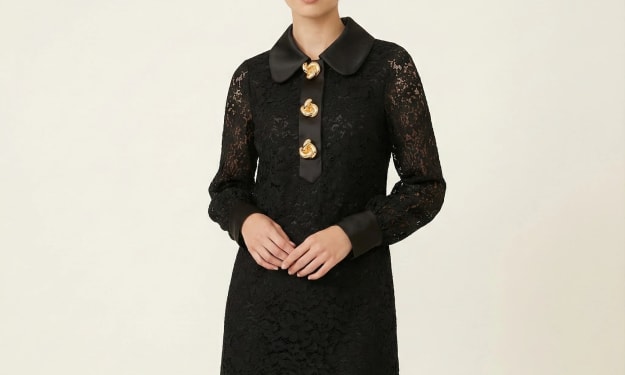
Dressing for a corporate office often requires a careful balance between professionalism and personal style. While traditional business attire once leaned heavily on suits and separates, modern workplaces have gradually embraced more versatile options. Among them, structured dresses have become one of the most reliable choices for women navigating professional environments.
By BTK COLLECTIONa day ago in Styled



Comments
There are no comments for this story
Be the first to respond and start the conversation.