
Latest Insights & Trends in the Home Textile Industry: Must-Read Articles for 2025
Home Textiles 2025: Sustainability, Innovation, and the Future of Comfort

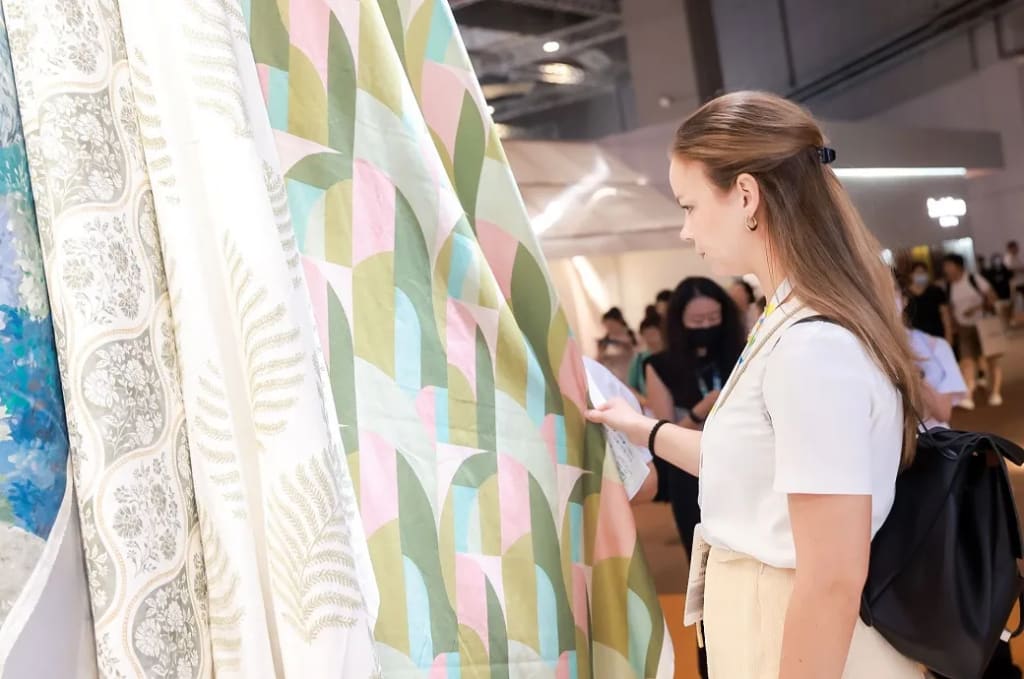
The home textile industry is undergoing rapid transformation, driven by evolving consumer preferences, technological advancements, and sustainability demands. In 2025, key trends shaping the industry include smart textiles, Eco-friendly materials, digitization, and evolving market dynamics. As brands and manufacturers adapt to these changes, staying ahead of the curve is crucial. This article explores the latest insights and trends influencing the home textile sector in 2025.
1. Sustainability and Eco-Friendly Home Textiles
A Shift Towards Green Materials
Consumers are increasingly prioritizing sustainability when purchasing home textiles. The demand for organic cotton, bamboo fibber's, and recycled fabrics has surged, leading manufacturers to explore Eco-friendly alternatives. Sustainable dyeing techniques, such as plant-based and waterless dyeing methods, are reducing environmental impact while maintaining high-quality finishes.
Circular Economy and Textile Recycling
The traditional linear textile production model—where fabrics are made, used, and discarded—is shifting towards a circular economy. Brands are investing in textile recycling programs, repurposing old home textiles into new products. Initiatives like take-back programs and upcycling projects are gaining traction as sustainability becomes a core industry focus.
2. Smart Home Textiles: The Future of Innovation
Integration of Technology in Fabrics
Smart textiles are transforming the home environment by incorporating features such as temperature regulation, antibacterial properties, and moisture-wicking capabilities. Innovations like self-cleaning bed linens, UV-resistant curtains, and odor-neutralizing towels enhance both functionality and convenience for consumers.
IoT-Enabled Smart Textiles
The rise of the Internet of Things (IoT) has paved the way for smart home textiles. IoT-integrated curtains, bedding, and upholstery can now be controlled via smartphone apps, adjusting temperature, light, or scent to create personalized comfort. This seamless integration is revolutionizing home decor and enhancing user experience.
3. Digitization and AI in Textile Production
AI-Powered Design and Manufacturing
Artificial Intelligence (AI) is streamlining design and production processes in the home textile industry. AI-driven software predicts consumer preferences, optimizes fabric usage, and reduces waste. Digital printing techniques allow for on-demand production, minimizing excess inventory and promoting customization.
Automation and Robotics in Textile Factories
The adoption of automation and robotics is improving efficiency in textile manufacturing. Automated weaving machines, robotic quality control systems, and AI-driven cutting techniques are accelerating production while maintaining precision and reducing labour costs. This technological shift is enhancing productivity and scalability for textile brands.
4. Consumer Preferences and Market Trends
Minimalist and Timeless Designs
In 2025, simplicity and timeless aesthetics are dominating home textile trends. Neutral tones, minimalist patterns, and versatile designs are in high demand as consumers seek long-lasting, adaptable home decor. Brands are focusing on producing durable, multi-functional textiles that fit seamlessly into modern living spaces.
Personalization and Customization
Personalized home textiles are gaining popularity as consumers look for unique and tailored products. Custom-printed fabrics, monogrammed bedding, and bespoke upholstery options allow buyers to create a home environment that reflects their personal style. Brands leveraging digital printing and AI-driven design tools are capitalizing on this growing trend.
5. Emerging Global Markets and Trade Dynamics
The Rise of Sustainable Sourcing Hubs
As sustainability takes centre stage, textile manufacturing is shifting towards eco-conscious production hubs. Countries like Bangladesh, India, and Vietnam are investing in green textile production, adopting ethical labor practices, and integrating renewable energy sources into their factories. Sustainable certification programs, such as OEKO-TEX and GOTS (Global Organic Textile Standard), are becoming industry benchmarks.
Trade Policies and Supply Chain Challenges
Global trade policies and supply chain disruptions continue to impact the home textile industry. Fluctuations in raw material costs, shipping delays, and geopolitical factors are influencing production and pricing strategies. Companies are exploring localized manufacturing solutions to mitigate risks and maintain supply chain resilience.
6. Health and Wellness-Focused Home Textiles
Antimicrobial and Hypoallergenic Fabrics
With increased awareness of health and hygiene, consumers are investing in home textiles that offer protective benefits. Antimicrobial bed linens, dust-resistant curtains, and hypoallergenic pillows are in high demand, particularly in post-pandemic households where cleanliness remains a priority.
Wellness-Enhancing Textiles
Textiles designed to promote relaxation and well-being are gaining popularity. Weighted blankets for stress relief, aromatherapy-infused pillows, and temperature-regulating bedding are becoming essential components of self-care routines. The fusion of wellness and home textiles is creating new opportunities for product innovation.
7. E-Commerce and Digital Retail Expansion
Growth of Online Home Textile Marketplaces
The rise of e-commerce continues to reshape the home textile industry. Online marketplaces, direct-to-consumer brands, and virtual showrooms are making it easier for consumers to explore and purchase home textiles from the comfort of their homes. Augmented reality (AR) features allow buyers to visualize how products will look in their spaces before making a purchase.
Sustainable and Ethical Consumerism in Online Shopping
Consumers are increasingly researching brands before making purchases, prioritizing ethical and sustainable practices. Companies that transparently showcase their sustainability initiatives, fair labour practices, and Eco-friendly materials online are gaining consumer trust and loyalty.
8. Future Prospects and Industry Outlook for 2025
Sustainability as a Standard
Sustainability is no longer an option but a necessity for home textile brands. As regulatory standards tighten and consumer expectations shift, companies must invest in sustainable materials, ethical production, and waste reduction strategies to remain competitive.
Technological Advancements Driving Innovation
The integration of AI, automation, and IoT will continue to drive innovation in the home textile industry. From smart fabrics to AI-powered supply chain management, technology will play a critical role in shaping the future of textile manufacturing and retail.
Customization and Personalization on the Rise
Consumers are seeking more personalized and adaptable home textiles. The demand for custom designs, made-to-order products, and AI-driven recommendations will influence how brands develop and market their offerings.
Conclusion
The home textile industry in 2025 is defined by sustainability, technology, and evolving consumer preferences. As brands navigate these trends, innovation and adaptability will be key to staying relevant in a competitive market. By embracing Eco-friendly materials, smart textiles, AI-driven production, and digital retail strategies, the industry is poised for a dynamic and transformative future.
With sustainability at its core and technology as a driving force, the home textile sector is set to redefine modern living spaces, offering comfort, style, and ethical choices for consumers worldwide.
About the Creator
textilenews
publisher
Keep reading
More stories from textilenews and writers in Styled and other communities.
Knitting Industry News: Latest Trends, Innovations, and Market Insights for 2025
The knitting industry is evolving rapidly, driven by technological advancements, sustainability initiatives, and shifting consumer preferences. As we enter 2025, key trends are shaping the future of knitted textiles, from automated knitting machines to Eco-friendly yarns and AI-driven design solutions. This article explores the latest innovations, market insights, and industry trends that are redefining the knitting sector.
By textilenews11 months ago in Styled
Latest Women’s Fashion News: Trends Shaping Modern Style
Women’s fashion is undergoing a powerful transformation, shaped by changing lifestyles, global cultural influences, and a growing demand for individuality and responsibility. In recent years, fashion has moved beyond seasonal trends and has become a reflection of personal values, comfort, and confidence. The latest women’s fashion news highlights a dynamic industry where creativity meets practicality, and tradition blends seamlessly with modern innovation. From runways to street style, women’s fashion is redefining how style is perceived and worn across the world.
By duran lorena6 days ago in Styled
FREE THE NIPPLE. BURN THE BRA. APOLOGISE TO OUR SPINES.
There are few things in modern life as quietly infuriating as the social expectation that women should strap themselves into uncomfortable, restrictive underwear every single day for the emotional comfort of strangers. Not safety. Not warmth. Not even practicality. Comfort. Specifically men’s comfort. Because somewhere along the way, we collectively decided that a woman’s nipple is a public threat, while a man’s nipple is background furniture.
By No One’s Daughter5 days ago in Styled
My New Book is Finally Here
My poetry collection Beautiful and Brutal Things is done. It's actually done and finally published over 270 pages. Over a year of my life went into this book. More than a year, really. Long days at my computer, sometimes seven days a week because I couldn't stop even when I probably should have. Then two months of editing that felt harder than the writing itself. But it's finished, and I'm still standing, and the book is real.
By Tim Carmichaela day ago in BookClub



Comments
There are no comments for this story
Be the first to respond and start the conversation.