
Knitting Industry's Role in Reducing Textile Waste
Knitting a Sustainable Future: How the Knitting Industry is Reducing Textile Waste and Promoting Eco-Friendly Practices

The textile industry is one of the largest contributors to global waste, with millions of tons of fabric discarded every year. As sustainability becomes a growing concern, the knitting industry is playing a crucial role in reducing textile waste through innovative techniques, sustainable materials, and waste-free production methods. Knitting, unlike traditional woven textiles, allows for precise control over fabric creation, reducing excess material and promoting eco-friendly practices. This article explores the various ways in which the knitting industry is minimizing textile waste and contributing to a more sustainable future.
1. Zero-Waste Knitting Techniques
- One of the most effective ways the knitting industry reduces waste is through zero-waste knitting methods.
- Unlike woven textiles that often require cutting and stitching, knitwear can be created in the exact shape needed, eliminating fabric scraps.
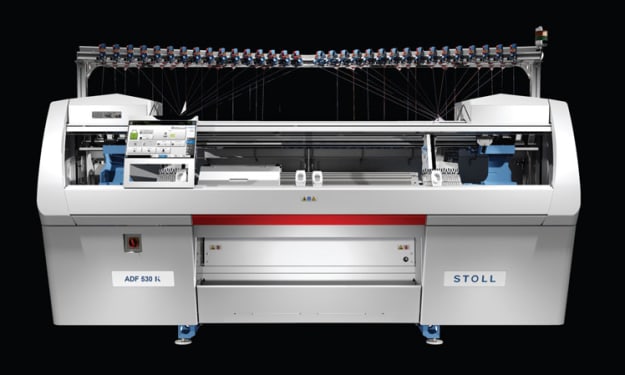
- Whole-garment knitting (also known as seamless knitting) is a revolutionary technology that allows garments to be made in one piece, removing the need for additional cutting and sewing.
- 3D knitting technology further enhances this by enabling designers to create complex structures without producing excess fabric waste.
2. Sustainable and Recycled Yarns
- The industry is increasingly adopting sustainable yarns, such as organic cotton, hemp, and bamboo, which require less water and fewer chemicals to produce.
- Recycled yarns made from post-consumer textile waste, plastic bottles, and discarded fishing nets are being used to create high-quality knitted fabrics.
- Many brands now offer closed-loop production, where old garments are broken down into fibber's and reused for new clothing.
- Innovations like biodegradable yarns ensure that even when knitted garments reach the end of their life cycle, they decompose naturally rather than ending up in landfills.
3. On-Demand and Custom Knitting to Reduce Overproduction
- Overproduction is a significant contributor to textile waste, as unsold garments often end up in landfills or incinerators.
- The knitting industry is shifting towards on-demand production, where garments are made only when there is a confirmed order, reducing excess inventory.
- Mass customization in knitting allows consumers to order personalized garments that fit their exact measurements, further minimizing returns and waste.
- Digital knitting technology enables quick prototyping, reducing the need for excessive sample production.
4. Upcycling and Repurposing Knitted Fabrics
- Knitted fabrics are particularly well-suited for upcycling, as they can be unravelled and reknitted into new garments.
- Many fashion brands and independent designers are embracing upcycling to turn old or defective knitwear into stylish new pieces.
- Creative repurposing methods, such as patchwork knitting and hybrid design, allow manufacturers to combine leftover yarns and fabrics to create unique, zero-waste designs.
- Some companies are developing fibbers-to-fibbers recycling technologies that break down old knitwear into raw materials for new production.
5. Energy-Efficient and Low-Impact Production Methods
- Modern knitting machines are designed to be energy-efficient, reducing the overall carbon footprint of textile manufacturing.
- Unlike traditional weaving, which often requires complex and energy-intensive processes, knitting consumes less electricity and water.
- Waterless dyeing technologies are being integrated with knitted textiles to eliminate wastewater pollution.
- Some knitting machines operate on solar energy, further reducing the environmental impact of production.
6. Extending Garment Lifespan with Durable Knitwear
- One of the best ways to reduce textile waste is by making clothing last longer.
- Knitted garments, particularly those made with high-quality fibbers, tend to be more durable and resistant to wear and tear compared to woven fabrics.
- Many brands are promoting slow fashion, encouraging consumers to buy fewer, higher-quality pieces rather than fast-fashion items that deteriorate quickly.
- Repair and reknitting services are gaining popularity, allowing customers to mend their knitwear instead of discarding it.
7. Ethical and Sustainable Manufacturing Practices
- Many knitting manufacturers are adopting ethical production models that prioritize fair wages, safe working conditions, and sustainable sourcing.
- Local and small-batch production reduces the carbon footprint associated with long supply chains and excessive transportation.
- Some brands use traceable yarns with blockchain technology, allowing consumers to see the origin and sustainability credentials of their knitted garments.
- The rise of circular fashion initiatives in the knitting industry ensures that products are designed with end-of-life recycling in mind.
8. Smart Textiles and Innovative Knitwear for Sustainability
- Advances in smart textiles are enabling the creation of self-healing knitted fabrics, reducing the need for frequent replacements.
- Anti-microbial and odor-resistant knitted fabrics help consumers wear garments longer between washes, reducing water and detergent usage.
- Some brands are experimenting with biodegradable electronic textiles, which incorporate technology without adding to e-waste.
- Plant-based dyeing processes using natural ingredients like algae, fruit extracts, and herbs further support sustainable knitted textile production.
9. Consumer Awareness and Behavioural Shifts
- The knitting industry is not only innovating in production but also raising awareness among consumers about responsible consumption.
- Brands and designers are educating customers on how to care for and maintain their knitwear, preventing premature disposal.
- Clothing rental and resale models are becoming more common, allowing knitted garments to have a second life before they are recycled.
- Some brands offer take-back programs, where consumers can return old knitted garments for recycling or repurposing.
10. Future Trends in Knitting and Waste Reduction
- As technology continues to advance, AI-driven knitting machines will further optimize fabric usage and reduce material waste.
- The development of bio-fabricated yarns, such as lab-grown cotton and spider silk, will provide sustainable alternatives for knitting.
- 3D printed knitted textiles could revolutionize fashion, allowing for waste-free garment creation.
- More collaboration between governments, brands, and consumers will lead to stronger policies promoting sustainability in the knitting industry.
Conclusion
The knitting industry is playing a pivotal role in reducing textile waste through sustainable materials, innovative production techniques, and consumer awareness. From zero-waste knitting and recycled yarns to energy-efficient machinery and ethical manufacturing, these advancements are transforming the fashion industry into a more environmentally friendly space. As technology continues to evolve, the knitting sector will further contribute to a circular economy, ensuring a future where textile waste is significantly minimized.
About the Creator
Keep reading
More stories from nick rodas and writers in Styled and other communities.
Innovations in Knitting Technology Enhance Production Efficiency
Knitting technology has undergone remarkable advancements, significantly improving the efficiency and sustainability of textile manufacturing. From automated knitting machines to 3D knitting and smart textiles, these innovations are reshaping the industry. Manufacturers now benefit from reduced production time, cost savings, and enhanced fabric quality. This article explores the latest innovations in knitting technology and how they contribute to increased production efficiency.
By nick rodas10 months ago in Styled
Dhoti Salwar for Haldi, Mehndi & Pre-Wedding Functions
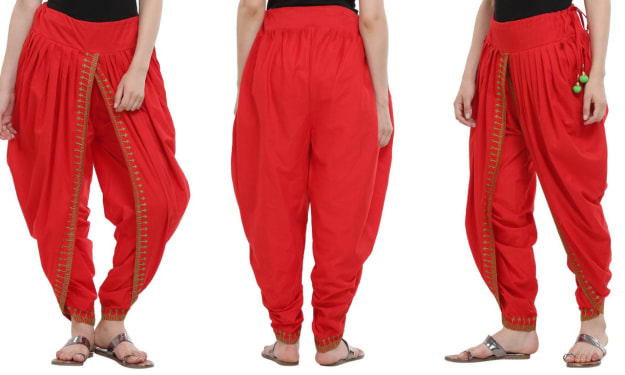
Pre-wedding functions like haldi and mehndi are all about colour, movement, and comfort. These are the events where you sit on the floor, laugh a lot, get your hands painted, and stay dressed for hours. That’s exactly why, in recent years, dhoti salwar has become a favourite choice for these celebrations. It offers the festive feel of ethnic wear while staying easy to move in something every haldi and mehndi outfit should do well.
By Amit Mandal6 days ago in Styled
Miss Persephone's Manual to a Seemingly Ordinary Life
Miss Persephone was found at the dining table, her blue eyes swollen, her tears arriving and retreating like the tides of the ocean. Earlier that day, her family had visited her in the retirement home where she had lived for eight years. It was her eightieth birthday.
By Imola Tóth7 days ago in Fiction


Comments
There are no comments for this story
Be the first to respond and start the conversation.