
Knitting Industry Embraces Sustainability: Innovations Shaping the Future of Eco-Friendly Textile Production
Sustainability at the Forefront: How the Knitting Industry is Leading the Charge in Eco-Friendly Textile Innovation

The global textile industry is undergoing a dramatic transformation as sustainability takes centre stage. From reducing environmental impact to promoting ethical practices, the focus has shifted towards creating textiles that are both functional and environmentally friendly. Within this transformation, the knitting industry is playing a pivotal role in embracing sustainability. Innovations in knitting technologies, sustainable materials, and eco-conscious production methods are reshaping the future of textile manufacturing. This article explores how the knitting industry is adopting sustainable practices and highlights the innovations driving this movement forward.
1. The Push for Sustainability in the Textile Industry
- The textile industry is one of the most resource-intensive sectors in the world, consuming vast amounts of water, energy, and raw materials.
- According to the Ellen MacArthur Foundation, the textile industry is responsible for about 10% of global carbon emissions, prompting a widespread call for change.
- As consumer demand for sustainable and ethical fashion rises, companies are looking for ways to produce textiles more responsibly, making sustainability a key priority.
2. Innovations in Knitting Technology for Sustainable Production
1. 3D Knitting Machines: Traditional knitting processes often involve excessive fabric waste. 3D knitting technology, however, allows for seamless garments to be produced directly from digital files, eliminating the need for cutting and reducing waste.
- This process creates garments in one piece, eliminating off-cuts and the need for further processing.
- It enables precise manufacturing, reducing the need for additional resources such as dyes or finishes that may otherwise harm the environment.
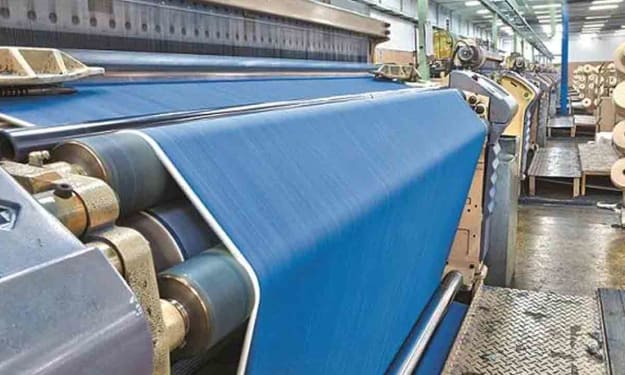
2. Circular Knitting Machines: These machines are increasingly used in the knitting industry to produce fabrics more efficiently.
- They create fabric in a continuous loop, reducing waste and allowing for more precise control over fabric density, thickness, and texture.
- Circular knitting technology also facilitates the use of sustainable fibber's, which can be seamlessly incorporated into the production process, further reducing environmental impact.
3. Energy-Efficient Knitting Machines: As part of the sustainability movement, manufacturers are investing in energy-efficient knitting machines.
- These machines use less electricity and are designed to reduce carbon footprints.
- Some advanced knitting machines also come with built-in sensors that monitor energy consumption, enabling manufacturers to optimize their operations and cut down on unnecessary energy use.
3. Sustainable Materials in Knitting Production
1. Recycled Yarns and Fabrics: One of the key innovations in sustainable knitting is the use of recycled materials.
- Recycled yarns made from post-consumer waste, such as plastic bottles, and post-industrial waste are increasingly being used in knitting production.
- Brands like Patagonia and Adidas have pioneered the use of recycled fibbers to create knitted products that not only meet sustainability standards but also provide consumers with high-quality, functional textiles.
- Recycled polyester and nylon are commonly used in activewear, sportswear, and outerwear, reducing the reliance on virgin resources and diverting waste from landfills.
2. Organic and Biodegradable Fibber's: Organic cotton, bamboo, hemp, and other biodegradable fibber's are gaining popularity as eco-friendly alternatives to synthetic materials.
- Organic cotton is grown without the use of harmful pesticides, and it requires less water compared to conventional cotton.
- Bamboo and hemp are fast-growing and require fewer resources to cultivate, making them ideal for eco-conscious knitting production.
- These materials are biodegradable, meaning that they break down naturally at the end of their life cycle, reducing long-term environmental impact.
3. Plant-Based and Lab-Grown Fibbers: The development of plant-based and lab-grown fibbers is another exciting innovation in the knitting industry.
- Fibber's derived from plants like eucalyptus (Tencel), corn, and coconut are gaining traction for their low environmental impact.
- Lab-grown fibber's, such as those created through bioengineering, are also being explored as a way to produce textiles without the need for traditional farming or resource-intensive processes.
- These materials are often more sustainable, requiring less water and energy to produce, and they can be recycled or biodegraded at the end of their life cycle.
4. Zero-Waste and Efficient Knitting Practices
1. Whole-Garment Knitting: Whole-garment knitting is a zero-waste technique that involves producing a complete garment without the need for cutting or sewing.
- This method not only eliminates waste associated with fabric off-cuts but also minimizes energy consumption during the manufacturing process.
- Whole-garment knitting is particularly valuable for producing seamless sweaters, socks, and other knitted products, reducing both the environmental and economic costs of textile production.
2. Closed-Loop Recycling: The concept of closed-loop recycling in knitting involves reusing textile fibbers to create new products, reducing the need for virgin materials.
- Instead of sending old garments to landfills, manufacturers can use them as raw materials to create new fabrics through innovative recycling processes.
- Some companies are even developing closed-loop systems in which fabrics are broken down into their original fibbers and re-spun into new yarns, enabling a continuous cycle of reuse.
3. On-Demand and Localized Production: By moving towards on-demand and localized production models, the knitting industry can reduce overproduction and the need for long-distance transportation.
- On-demand production allows manufacturers to produce only the garments that are ordered, reducing waste from unsold inventory.
- Localized production also reduces carbon emissions associated with shipping goods across long distances, further lowering the industry's carbon footprint.
5. Eco-Friendly Dyeing and Finishing Techniques
1. Waterless Dyeing Technologies: Dyeing is one of the most water-intensive processes in textile manufacturing. Waterless dyeing technologies, such as supercritical CO2 dyeing, eliminate the need for water, significantly reducing the environmental impact of the dyeing process.
- These techniques use pressurized carbon dioxide to deliver dye to fabrics, reducing water usage, chemical waste, and energy consumption.
- As water scarcity becomes an increasing concern, the adoption of waterless dyeing technologies is gaining momentum in the knitting industry.
2. Natural and Plant-Based Dyes: Another eco-friendly innovation in the knitting industry is the use of natural dyes derived from plants, fruits, and vegetables.
- These dyes are non-toxic and biodegradable, making them a safer option for both the environment and workers.
- Plant-based dyes, such as indigo, madder, and walnut, provide a wide range of colours without the harmful chemicals found in synthetic dyes, making them a popular choice for eco-conscious consumers and brands.
6. Ethical Labour Practices in the Knitting Industry
- Alongside sustainable production methods, the knitting industry is also embracing fair labour practices.
- Brands and manufacturers are increasingly focusing on providing fair wages, safe working conditions, and support for workers in developing countries.
- Certifications such as Fair Trade and Ethical Trading Initiative (ETI) are helping ensure that the workers involved in knitting production are treated ethically and fairly, aligning with consumers' demand for transparency and social responsibility.
7. The Future of Sustainable Knitting
- The knitting industry is poised for continued innovation in sustainability.
- As technologies like AI, automation, and blockchain evolve, they will provide even greater opportunities for improving resource efficiency, reducing waste, and promoting transparency in supply chains.
- The growing demand for eco-friendly and functional textiles will push manufacturers to adopt more sustainable materials, reduce their carbon footprints, and implement ethical production practices.
- Collaboration across industries, including fashion, technology, and sustainability experts, will be key to advancing these innovations and ensuring a sustainable future for the knitting industry.
Conclusion
The knitting industry is undergoing a significant shift as it embraces sustainability, driven by technological advancements, innovative materials, and ethical practices. From energy-efficient knitting machines to recycled fibbers and zero-waste production methods, the knitting industry is adopting more sustainable approaches to textile manufacturing. As consumer awareness and demand for eco-friendly products grow, the future of the knitting industry looks bright, with even more exciting innovations on the horizon. Sustainability is no longer a trend but a critical factor in shaping the future of textile production, and the knitting industry is at the forefront of this transformation.
About the Creator
Keep reading
More stories from nick rodas and writers in Styled and other communities.
The Economic Impact of the Knitting Industry in Developing Nations
The knitting industry plays a crucial role in the economic development of many countries, particularly in the developing world. With its low entry barriers, employment opportunities, and export potential, the knitting sector has emerged as a vital component of industrial growth, poverty reduction, and economic diversification. As demand for knitted goods continues to rise globally, developing nations are leveraging this industry to fuel socio-economic progress. This article explores the economic impact of the knitting industry in developing nations, examining its contributions, challenges, and future potential.
By nick rodas9 months ago in Styled
Dhoti Salwar for Haldi, Mehndi & Pre-Wedding Functions
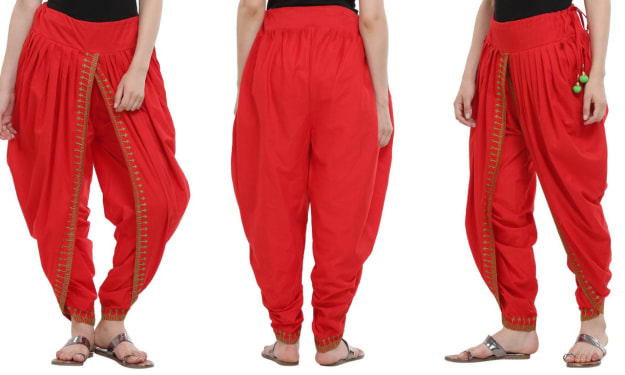
Pre-wedding functions like haldi and mehndi are all about colour, movement, and comfort. These are the events where you sit on the floor, laugh a lot, get your hands painted, and stay dressed for hours. That’s exactly why, in recent years, dhoti salwar has become a favourite choice for these celebrations. It offers the festive feel of ethnic wear while staying easy to move in something every haldi and mehndi outfit should do well.
By Amit Mandal6 days ago in Styled
Autonomy Is The Real Privilege
Good morning, freedom-seekers! Today we’re gonna be looking at autonomy. A strange word, I know; one many would probably look at blankly and run away from on sight. We’re gonna figure out what it actually means, consider how it’s achieved, and decipher just how deeply most of us are tangled up in dependence without realising it.
By That ‘Freedom’ Guya day ago in Humans


Comments
There are no comments for this story
Be the first to respond and start the conversation.