
Innovative Designs: The Future of 3D Printed Shoes
3D Printed Shoes: Revolutionizing Footwear Design
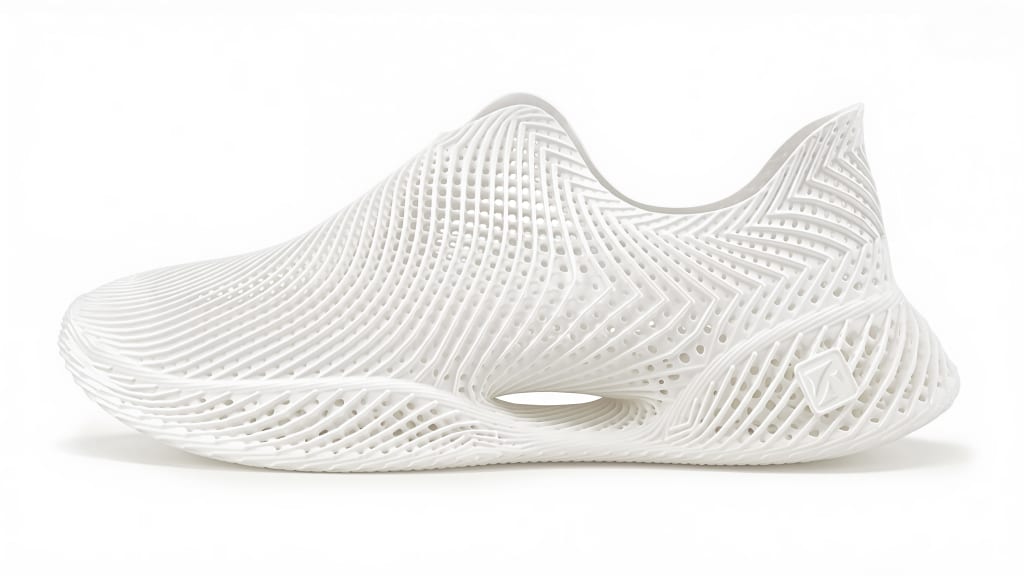
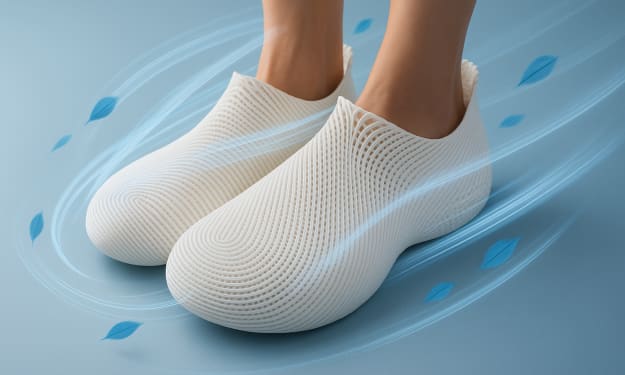
The world of footwear is on the brink of a revolution. With the advent of 3D printing technology, shoes are no longer just about fashion and function; they are becoming a fusion of art, science, and technology. This transformation is not only reshaping how shoes are made but also redefining what they can be. From 3D printed pointe shoes to bespoke designs like Arkky 3D printed shoes, the future of footwear is exciting and full of possibilities. These innovations promise not only to enhance performance and aesthetics but also to address sustainability issues that have long plagued the industry.

3D printing, also known as additive manufacturing, is a process where layers of material are built up to create a three-dimensional object. This technology allows for the creation of complex shapes and designs that were previously impossible or too costly to produce with traditional manufacturing methods. In the world of footwear, this means that shoes can now be tailored to fit the unique shape and needs of an individual's foot. This level of precision and personalization is unprecedented, offering wearers a level of comfort and support that mass-produced shoes simply cannot match.
Moreover, 3D printing is not limited by the constraints of traditional molds or tooling. Designers have the freedom to explore intricate patterns and structures that were once only theoretical. This opens up a new realm of possibilities for shoe aesthetics, allowing for more experimental and avant-garde designs that can still maintain functionality. As technology advances, the material options for 3D printing continue to grow, providing even more opportunities for innovation in footwear.
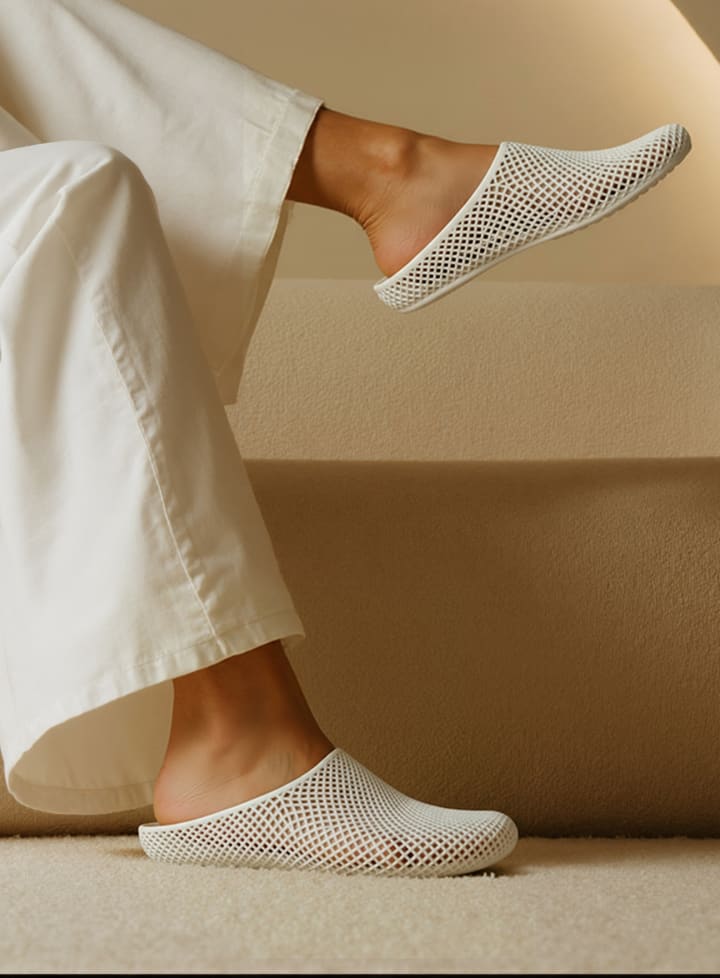
The advantages of 3D printed shoes are numerous. They offer customizability, sustainability, and innovation in design:
- Customization: Every foot is different, and with 3D printing, shoes can be designed to fit perfectly, providing comfort and support. This is particularly beneficial for specialized footwear, such as 3D printed pointe shoes for ballet dancers. Customization also extends beyond just fit; it includes the ability for consumers to choose colors, patterns, and even the type of material used in their shoes, making every pair truly unique.
- Sustainability: Traditional shoe manufacturing often involves waste, but 3D printing uses only the material necessary, reducing waste and environmental impact. This process not only minimizes excess material but also allows for the use of eco-friendly materials that can be recycled or are biodegradable. The potential for on-demand production also reduces the need for large inventories, further decreasing the carbon footprint of the footwear industry.
- Innovation: Designers can experiment with new forms and structures, creating shoes that are not only functional but also visually stunning. The removal of traditional manufacturing constraints means that designers can push boundaries and explore radical new concepts. This could lead to shoes that are not only more efficient and comfortable but also transformative in their appearance, setting new trends in the fashion world.
Arkky is one of the frontrunners in the 3D printed footwear industry. Known for their bold and innovative designs, Arkky has made a name for itself by pushing the boundaries of what is possible with 3D printing technology. Their shoes are not only a fashion statement but also a testament to the possibilities of modern technology. By focusing on both aesthetics and functionality, Arkky is redefining what consumers can expect from their footwear.
Arkky's approach to design emphasizes the unique capabilities of 3D printing, allowing them to create shoes that are both lightweight and durable. Their commitment to exploring new materials and production techniques has positioned them as a leader in sustainable footwear. By continuously experimenting with innovative designs, Arkky is setting new standards in the industry, inspiring other companies to explore the potential of 3D printing.
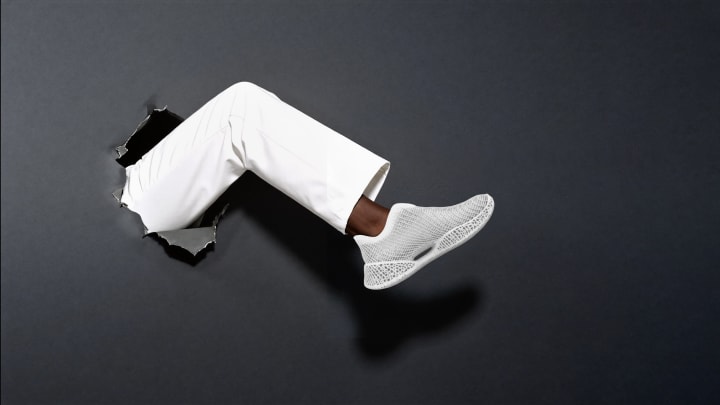
Several other companies are making strides in the 3D printed shoe market:
- Adidas: With their Futurecraft 4D line, Adidas is pioneering the use of 3D printing for performance footwear. Their shoes are designed to provide optimal support and comfort for athletes. By leveraging their proprietary Digital Light Synthesis technology, Adidas is able to produce midsoles that offer exceptional cushioning and energy return, tailored specifically for the needs of individual athletes.
- Nike: Nike has been experimenting with 3D printing for years, using the technology to create prototypes and limited-edition releases. Their ongoing exploration into 3D printing has allowed them to innovate rapidly, creating footwear that marries cutting-edge technology with high-performance athletic design. Nike's ventures into 3D printed shoes underscore their commitment to staying at the forefront of sportswear innovation.
- New Balance: Known for their commitment to innovation, New Balance has developed a range of 3D printed shoes that offer enhanced performance and style. They have focused on integrating 3D printing into their production processes to improve the fit and feel of their athletic shoes, ensuring that they meet the high standards expected by both casual wearers and professional athletes alike.
As 3D printing technology continues to evolve, the possibilities for footwear design are endless. Advances in materials science will allow for the creation of shoes that are not only more comfortable and durable but also more environmentally friendly. The development of new polymers and composites will enhance the durability and flexibility of 3D printed shoes, making them suitable for a wider range of activities and environments.
Additionally, the ability to print shoes on-demand means that companies can reduce inventory costs and adapt quickly to changing fashion trends. This agility will allow brands to respond to consumer demand more efficiently, reducing lead times and waste. The integration of smart technology, such as sensors and connectivity features, into 3D printed shoes is also on the horizon, promising to revolutionize how wearers interact with their footwear.

The widespread adoption of 3D printed shoes could have a significant impact on the footwear industry. Traditional manufacturing processes may become obsolete, and the role of designers and engineers will evolve as they work more closely with technology. This shift could democratize the design process, enabling more individuals to create and bring to market their own shoe designs with minimal barriers.
- Customization and Fit: The ability to customize shoes for each individual will become a standard, leading to a more personalized shopping experience. Retailers may offer in-store scanning technology to capture precise measurements, ensuring an unparalleled fit for every customer. This level of personalization could increase consumer satisfaction and loyalty, as individuals receive products that perfectly meet their needs.
- Sustainability: As consumers become more environmentally conscious, the demand for sustainable products will increase, and 3D printed shoes are well-positioned to meet this demand. The reduction in waste and the use of sustainable materials align with the growing consumer preference for eco-friendly products, driving further adoption of 3D printing in footwear production.
- Design Innovation: Designers will have the freedom to explore new ideas and create shoes that are not only functional but also works of art. This freedom could lead to a renaissance in footwear design, where creativity is unbound by the limitations of traditional manufacturing. The collaboration between technology and design will likely result in groundbreaking products that redefine the boundaries of fashion and functionality.
While the future of 3D printed shoes is promising, there are still challenges to overcome:
- Cost: Currently, the cost of 3D printing is higher than traditional manufacturing methods. However, as the technology becomes more widespread, prices are expected to decrease. Economies of scale and advancements in printing technology will likely drive down costs, making 3D printed shoes more accessible to a broader audience.
- Durability: Ensuring that 3D printed shoes are as durable as traditionally manufactured shoes is an ongoing challenge. Advances in materials will be crucial in addressing this issue. Researchers and manufacturers are actively working to develop materials that can withstand the wear and tear of everyday use, ensuring that 3D printed shoes can compete with their conventionally made counterparts in terms of longevity.
- Consumer Acceptance: As with any new technology, there is a period of adjustment as consumers become familiar with the benefits and limitations of 3D printed footwear. Education and marketing will play key roles in helping consumers understand the advantages of 3D printed shoes. Overcoming skepticism and building trust will be essential for widespread adoption.

The future of 3D printed shoes is bright, with endless possibilities for innovation and customization. As technology advances, we can expect to see more brands embracing 3D printing as a means to create unique, sustainable, and high-performance footwear. This technological shift promises to transform the footwear landscape, offering consumers more choices, better fits, and the opportunity to own a piece of cutting-edge technology. The journey of 3D printed shoes is just beginning, and the road ahead is paved with exciting opportunities for both designers and consumers alike. The potential for personal expression, environmental sustainability, and technological integration makes this an exciting time for the footwear industry, and those who embrace these changes are likely to lead the charge into a new era of shoe design and manufacturing.
About the Creator
3DPrinting
I am a technician in the 3D printing industry, and I am interested in the application of 3D printing in various fields.
Keep reading
More stories from 3DPrinting and writers in Styled and other communities.
Top 5 Benefits of Wearing TPU 3D Printed Sneakers
Thermoplastic polyurethane (TPU) combined with additive manufacturing unlocks a new class of footwear — sneakers that are durable, flexible, lightweight, weather-resistant and highly customizable. Below we explain the five biggest benefits, cite supporting data, and give real-world brand examples.
By 3DPrinting4 months ago in Styled
What to Wear to Engagement Ceremonies: Silk Salwar Suit Ideas
Engagement ceremonies are special, but they’re also slightly tricky to dress for. You want to look festive and polished, but not as heavy as you would for the wedding day itself. In 2026, many women are finding the perfect balance with silk salwar suits outfits that feel rich, graceful, and comfortable without going over the top.
By Amit Mandal3 days ago in Styled
Latest Women’s Fashion News: Trends Shaping Modern Style
Women’s fashion is undergoing a powerful transformation, shaped by changing lifestyles, global cultural influences, and a growing demand for individuality and responsibility. In recent years, fashion has moved beyond seasonal trends and has become a reflection of personal values, comfort, and confidence. The latest women’s fashion news highlights a dynamic industry where creativity meets practicality, and tradition blends seamlessly with modern innovation. From runways to street style, women’s fashion is redefining how style is perceived and worn across the world.
By duran lorena6 days ago in Styled


Comments
There are no comments for this story
Be the first to respond and start the conversation.