
India Extends Samarth Textile Training Scheme Until March 31, 2025: Boosting Skill Development in the Textile Industry
Samarth Scheme Extension: Strengthening India's Textile Workforce for a Sustainable Future

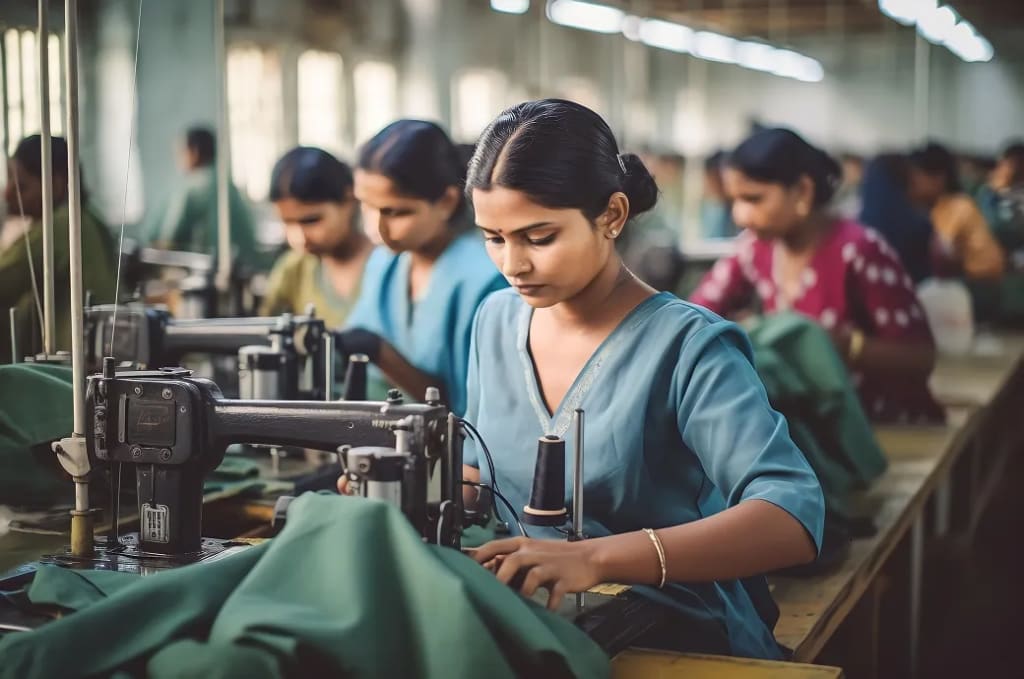
The Indian textile industry, a cornerstone of the country's economy, is set to benefit from the extension of the Samarth (Scheme for Capacity Building in Textile Sector) training program until March 31, 2025. This initiative, launched by the Ministry of Textiles, is aimed at providing skill development, employment opportunities, and promoting sustainability in the sector. The extension signifies the government’s continued commitment to strengthening the workforce and ensuring that the industry remains globally competitive.
1. Understanding the Samarth Scheme
Samarth, launched in 2017, is a flagship skill development initiative by the Indian government designed to upskill workers in various segments of the textile industry. The program focuses on training youth, women, and marginalized communities, providing them with industry-relevant skills that align with modern textile production requirements.
With India being one of the world’s largest textile producers, Samarth aims to bridge the skill gap and enhance productivity. It offers training in areas such as spinning, weaving, garment manufacturing, knitting, dyeing, and technical textiles, ensuring a holistic approach to workforce development.
2. Why Was the Samarth Scheme Extended?
The extension of the Samarth scheme until March 31, 2025, comes at a time when the textile industry is facing technological advancements, sustainability challenges, and a rising demand for skilled workers. Several factors contributed to this decision:
- Addressing Skill Shortages: The industry has an increasing demand for trained professionals, and the existing workforce requires continuous skill enhancement.
- Boosting Employment: With millions of people dependent on the textile sector for their livelihood, the scheme plays a vital role in job creation and economic growth.
- Encouraging Women’s Participation: Samarth aims to increase women’s participation in the workforce by offering flexible training programs.
- Promoting Sustainable Practices: With the global push for sustainable fashion, training workers in eco-friendly production techniques and waste management is essential.
- Enhancing Global Competitiveness: India’s textile exports play a significant role in the economy, and a skilled workforce ensures that the country remains a competitive player in the global market.
3. Key Features of the Extended Samarth Scheme
The Samarth scheme offers structured training programs designed to cater to different skill levels, from beginners to experienced workers. The key features include:
- Target Beneficiaries: Unemployed youth, women, and disadvantaged sections of society, particularly those from rural and economically weaker backgrounds.
- Industry Collaboration: Training is conducted in partnership with textile industry associations, private companies, and state governments, ensuring that the skills imparted are industry-relevant.
- Technology-Driven Learning: The scheme includes modern textile machinery training, automation, and digital textile techniques to align with industry advancements.
- Placement-Oriented Approach: One of the major focuses is ensuring employment opportunities post-training, with a minimum placement rate mandated for training partners.
- Sustainability Training: With an increasing emphasis on green practices, Samarth incorporates training on organic fabric production, sustainable dyeing methods, and efficient waste management.
4. Achievements of the Samarth Scheme So Far
Since its inception, the Samarth scheme has made significant contributions to India's textile industry. Some notable achievements include:
- Over 13.42 lakh (1.3 million) people enrolled, with thousands securing employment in textile units across the country.
- Increased employment for women, with a large percentage of trainees being female, helping bridge the gender gap in the industry.
- Expansion of training centres across different states, ensuring access to skill development for rural and economically weaker sections.
- Introduction of advanced textile technologies in training programs, allowing workers to stay updated with the latest industry trends.
5. Impact on the Indian Textile Industry
The extension of the Samarth scheme will have a far-reaching impact on various aspects of the Indian textile industry:
- Strengthening the Workforce: More workers will receive high-quality training, leading to increased efficiency and productivity in textile manufacturing.
- Boosting Exports: A skilled workforce ensures better-quality products, making Indian textiles more competitive in international markets.
- Encouraging Entrepreneurship: Many trained individuals have gone on to start small-scale textile businesses, promoting self-reliance and economic growth.
- Enhancing Rural Development: By providing training in rural areas, the scheme helps create employment opportunities outside urban centres.
6. Challenges and Future Scope
While the Samarth scheme has been successful, there are still challenges to address:
- Need for More Training Centres: Expanding infrastructure in remote and rural areas will ensure that more individuals can access training.
- Better Placement Opportunities: While placement rates are improving, stronger industry linkages will help trainees secure long-term and better-paying jobs.
- Upgrading Training Modules: As the textile industry evolves, regular updates to training content will be necessary to keep up with new technologies.
- More Awareness Programs: Many potential beneficiaries are still unaware of the scheme. Better outreach initiatives will help increase enrolment.
7. Government’s Commitment to the Textile Sector
The extension of the Samarth scheme aligns with the Indian government’s broader vision for the textile industry. Other major initiatives supporting the sector include:
- Production-Linked Incentive (PLI) Scheme: Encouraging investment in textile manufacturing to boost domestic production and exports.
- National Technical Textiles Mission: Focusing on high-value textiles used in industries like healthcare, defence, and infrastructure.
- Atmanirbhar Bharat Initiative: Promoting self-reliance in textile production and reducing dependence on imports.
8. The Road Ahead for Samarth
As the Samarth scheme continues until March 31, 2025, its focus will be on:
- Expanding training facilities to reach more beneficiaries.
- Enhancing partnerships with textile companies to improve job placements.
- Integrating sustainability and digital skills into training programs.
- Encouraging self-employment and entrepreneurship in the textile sector.
Conclusion
The extension of the Samarth Textile Training Scheme is a significant step towards strengthening India’s textile industry. By equipping workers with modern skills, promoting sustainability, and boosting employment, the scheme is ensuring that the country remains a global leader in textile production.
With continued support from the government, industry stakeholders, and training institutions, Samarth will play a crucial role in shaping the future of India’s textile sector, driving innovation, sustainability, and economic growth.
About the Creator
textilenews
publisher
Keep reading
More stories from textilenews and writers in Styled and other communities.
Odisha Attracts ₹2,100 Crore Investment in Textile and Garment Industry: A Boost for Employment and Economic Growth
Odisha has emerged as a key investment destination for the textile and garment industry, attracting a massive ₹2,100 crore in new projects. With its strategic location, government incentives, and growing infrastructure, the state is positioning itself as a major hub for textile manufacturing and exports. This investment is expected to generate significant employment opportunities, enhance local economies, and contribute to India's vision of becoming a global leader in sustainable and high-quality textile production.
By textilenews10 months ago in Styled
Eid Dressing Made Easy: Sharara Suits That Feel Light All Day
Eid is a long, beautiful day. From morning prayers and family visits to afternoon meals and evening gatherings, you’re on your feet, moving around, meeting people, and celebrating. That’s why, in 2026, women are choosing outfits that don’t just look festive, they feel easy from morning to night. And that’s exactly where sharara suits come in.
By Amit Mandal6 days ago in Styled
How To Dye A Wig?
Hey Sis! So you saw that fire honey-blonde balayage on TikTok, or maybe you’re feeling that midnight blue fantasy, but the thought of bleaching your own curls colored wigs has you saying, “Absolutely not.” I get it—our hair is our crown, and sometimes you don’t want to risk the throne.
By manman zhai7 days ago in Styled
Wild Card Weekend Recap: What Happens Now?
I think I figured out why I love Wild Card Weekend so much. It's because it's the first playoff anything of the calendar year. The NFL season starts in the fall, and once upon a time, the champion was crowned either on or slightly before New Year's. The evolution of the NFL schedule has resulted in the playoffs starting just into the New Year, and currently, the final week of the season falls on the first weekend of the New Year, with Wild Card Weekend coming a week after that. So yes, chronologically, the NFL's Wild Card Weekend serves as the first playoff anything of the calendar year.
By Clyde E. Dawkins6 days ago in Unbalanced



Comments
There are no comments for this story
Be the first to respond and start the conversation.