
Illusion Of Instagram
A Dilemma of Filters and False Perfection


Instagram: The Dilemma of Filters and False Perfection
Social media has transformed the way people connect, express themselves, and showcase their lives. Among the various platforms, Instagram stands out as one of the most visually driven spaces, emphasizing aesthetics, beauty, and curated perfection. What began as a simple photo-sharing app has now evolved into a virtual world of illusions, fueled by filters, editing tools, and digital enhancements that distort reality.
While filters were initially designed to enhance images creatively, they have increasingly become a tool for deception, allowing users to mask imperfections, reshape appearances, and fabricate an idealized version of their world. This dilemma—between embracing technology for self-expression and succumbing to a false standard of perfection—is one that continues to affect millions of people worldwide.
The Rise of Digital Perfection

Instagram filters started as fun, harmless tools that could adjust brightness, smooth skin, or add artistic flair to a photo. However, as technology advanced, filters became more powerful and more deceptive. Facial editing tools now alter features, reshape faces, and create hyper-realistic versions of individuals that barely resemble their actual selves. What was once a casual enhancement has now evolved into an obsession with perfection, where people feel compelled to present a version of themselves that aligns with social media’s ever-rising beauty standards.
The platform, flooded with meticulously curated images, contributes to the illusion that flawlessness is normal. The pressure to keep up with these unrealistic standards drives users to rely heavily on digital enhancements, leaving little room for authenticity. While many enjoy using filters to feel more confident, the unintended consequences of widespread digital manipulation are severe, affecting mental health and self-perception.
The Psychological Toll of Filters
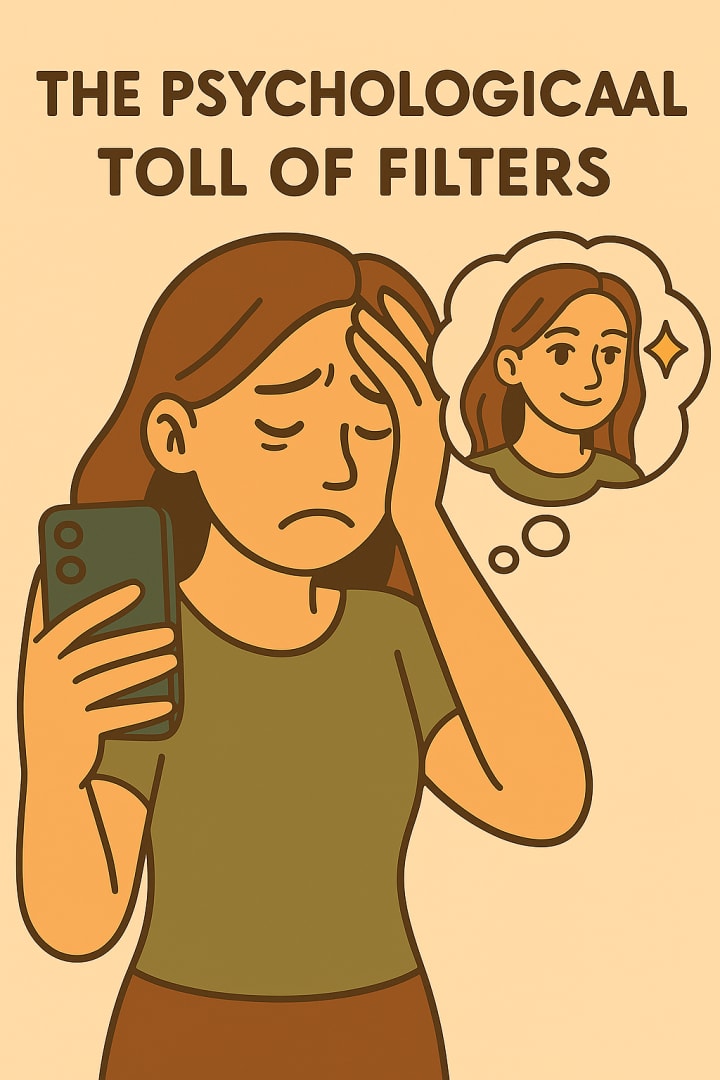
Behind every seemingly effortless Instagram post lies hours of retouching, angle-perfecting, and filter-testing. For many users, especially young people, exposure to heavily edited images warps their perception of beauty, leading them to believe that their natural appearance is inadequate. The constant comparison to unrealistic standards has been linked to low self-esteem, anxiety, and body dysmorphia, as people struggle to reconcile their real selves with the flawless versions they see online.
Studies have shown that excessive engagement with social media platforms amplifies self-doubt, making individuals feel pressured to alter their appearance before sharing a photo. The rise of augmented reality filters, which dramatically modify facial structures, further exacerbates this problem—some users become addicted to looking "filtered," unable to appreciate their natural features without digital enhancement.
Authenticity vs. Illusion: A Social Dilemma

The dilemma surrounding Instagram filters lies in the conflict between authenticity and illusion. Should people embrace filters and digital enhancements if they make them feel more confident? Or should they reject artificial perfection and choose to share unfiltered, raw images that depict reality?
Many influencers and public figures have started advocating for real, unedited photos, hoping to reverse the damage that excessive digital enhancement has caused. Movements promoting self-love and natural beauty challenge users to post authentic, untouched images, encouraging others to do the same. While some have embraced this shift, the pressure to maintain a polished Instagram aesthetic remains strong, leaving many trapped in a cycle of curated deception.
Finding a Healthy Balance
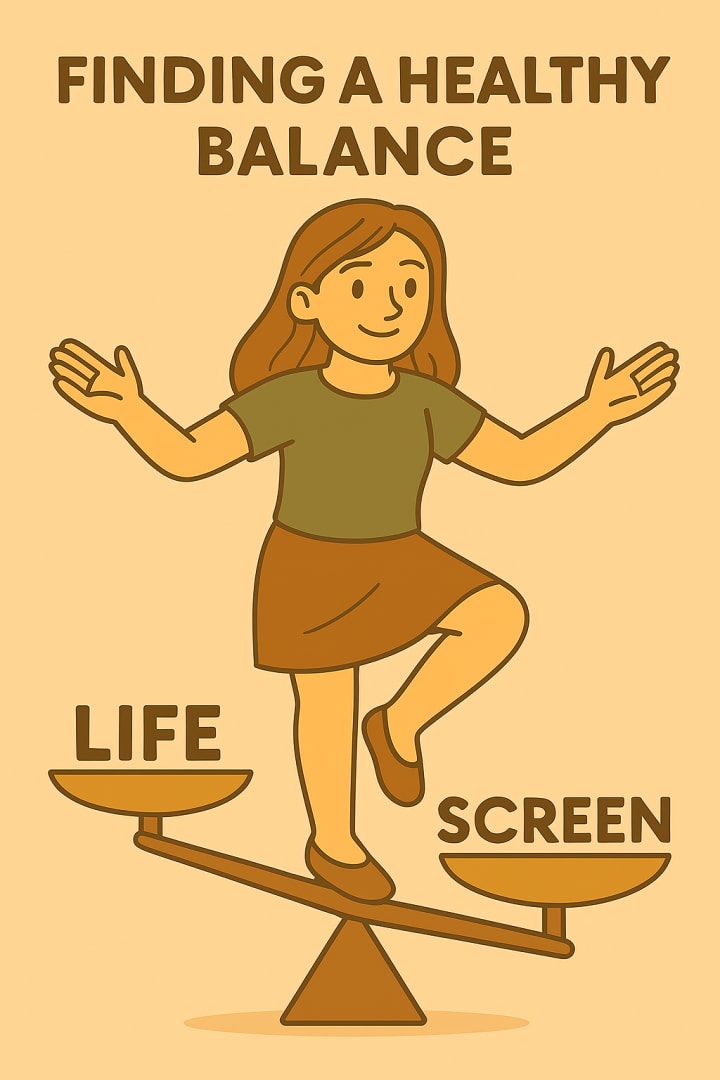
The solution isn’t to abandon Instagram or filters altogether. Social media should be a tool for creativity and expression, not deception. The key to navigating Instagram’s filtered world is mindful usage understanding that edited images are often far from reality and being aware of how social media influences self-perception.
Users can take proactive steps to protect their mental well-being by limiting exposure to hyper-edited content, following accounts that promote authenticity, and embracing their natural beauty. The shift toward realism may not happen overnight, but promoting genuine self-expression over digital perfection can help reclaim social media as a space that uplifts rather than deceives.
Ultimately, Instagram should be a reflection of life, not just a curated mirage. By recognizing the illusion behind overly filtered posts, users can enjoy the platform without feeling pressured to conform to unattainable beauty standards.
What’s your take on this? Have filters changed the way we perceive social media?
About the Creator
Edge Alexander
Captivating wordsmith, crafting transformative narratives that spark curiosity, ignite conversation, and leave an indelible mark.
https://gogetfunding.com/to-make-a-difference/
Keep reading
More stories from Edge Alexander and writers in Styled and other communities.
Viral Content
In our hyper-connected digital era, certain ideas burst onto the scene and spread like wildfire, captivating millions in seemingly little time. But what causes one tweet, video, or meme to ascend from obscurity to viral stardom while countless others fade away? The answer lies deep within human psychology and our innate desire for connection, validation, and novelty.
By Edge Alexander9 months ago in Styled
How to Style a Pakistani Kurta Set for Casual Family Gatherings
There’s something comforting about getting ready for a family gathering—the kind of day where you know you’ll be sitting on the floor with cousins, helping in the kitchen, moving around the house, and still wanting to feel presentable. A Pakistani Kurta Set fits beautifully into these moments. It doesn’t try too hard, yet it holds a quiet grace that feels right for home, comfort, and togetherness.
By Pakistani fashion4 days ago in Styled
Winter Wedding Looks Featuring Silk Salwar Kameez
Winter weddings have a charm of their own. The crisp air, evening celebrations, glowing lights, and rich décor create the perfect setting for luxurious fabrics. And when it comes to choosing the right outfit for the season, nothing feels more appropriate than a silk salwar kameez.
By Amit Mandal4 days ago in Styled



Comments
There are no comments for this story
Be the first to respond and start the conversation.