
How the Apparel Industry Is Adapting to Gen Z’s Preferences: A New Era of Fashion
Gen Z and the Future of Fashion: How the New Generation is Redefining Style, Shopping, and Sustainability

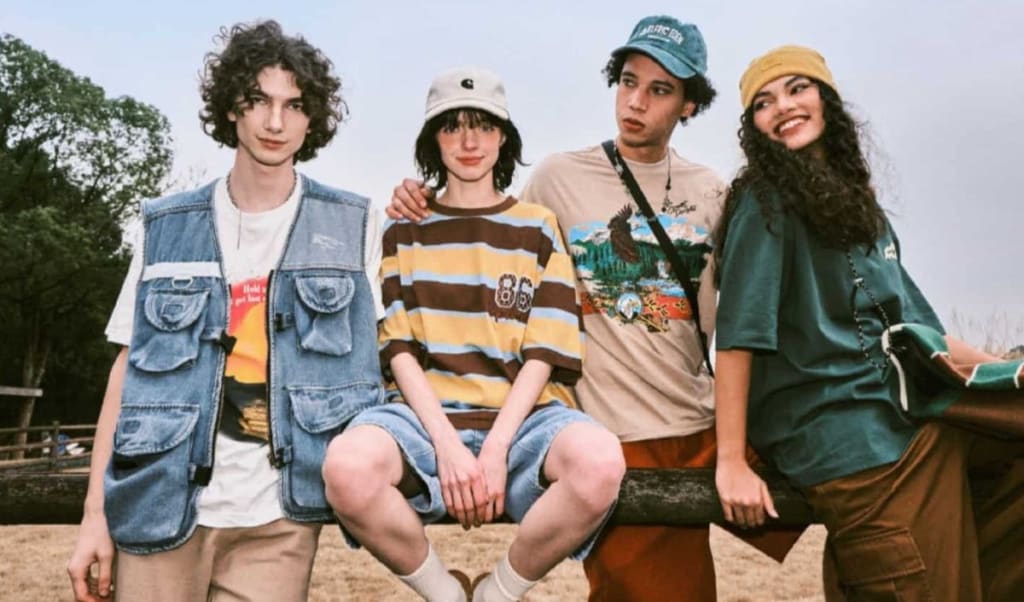
The apparel industry is undergoing a major shift as brands strive to cater to Generation Z—one of the most influential consumer groups today. Born between the mid-1990s and early 2010s, Gen Z has unique preferences, values, and shopping behaviours that are reshaping fashion trends, marketing strategies, and business models. From sustainability and inclusivity to digital innovation and affordability, fashion brands must adapt to stay relevant in this fast-evolving landscape.
1. The Rise of Conscious Consumerism
Gen Z consumers prioritize values over brand loyalty. Unlike previous generations, they are more likely to support brands that align with their social, environmental, and ethical beliefs. Sustainability, diversity, and transparency are key factors influencing their purchasing decisions.
- Sustainability Matters: Gen Z actively seeks eco-friendly fashion choices, favouring brands that use recycled materials, ethical sourcing, and sustainable production methods. Companies like Patagonia, Levi’s, and Stella McCartney have gained popularity by focusing on sustainability.
- Ethical Production: Sweatshop-free labour and fair wages are critical to this generation. Brands that fail to ensure ethical production practices risk losing Gen Z’s trust and support.
- Transparency Is Essential: Gen Z demands authenticity. Brands that openly share their supply chain details, production processes, and sustainability efforts build stronger connections with these consumers.
2. Digital-First Shopping Experience
Growing up in the digital age, Gen Z has revolutionized the way fashion is consumed. They expect seamless online experiences, social commerce, and personalized shopping journeys.
- E-commerce Dominance: Unlike older generations who prefer in-store shopping, Gen Z shops primarily online. They look for user-friendly websites, fast checkouts, and flexible payment options such as Buy Now, Pay Later (BNPL).
- Social Media as a Shopping Hub: Platforms like Instagram, TikTok, and Pinterest have become virtual shopping malls. Influencers and brand collaborations play a significant role in driving fashion trends.
- Live Shopping & Virtual Try-Ons: Brands are leveraging AI and AR (Augmented Reality) for virtual try-ons, allowing Gen Z shoppers to see how clothes fit before purchasing. Livestream shopping events have also gained popularity, blending entertainment with e-commerce.
3. The Power of Personalization and Customization
Gen Z rejects the "one-size-fits-all" approach. They crave personalized experiences and fashion that allows them to express their individuality.
- AI-Driven Recommendations: Brands are using artificial intelligence to analyse shopping behaviour and offer personalized product recommendations.
- Customization & DIY Fashion: Many Gen Z consumers prefer custom or DIY fashion, opting for pieces that reflect their personality. Brands like Nike, Converse, and Levi’s allow customers to customize shoes and apparel.
- Limited Drops & Exclusive Collections: Instead of mass production, brands are focusing on exclusive, limited-edition collections to create hype and cater to Gen Z’s desire for unique fashion items.
4. The Shift Toward Gender-Neutral and Inclusive Fashion
Gen Z embraces diversity and inclusivity more than any previous generation. They challenge traditional gender norms and demand representation in fashion.
- Gender-Fluid Fashion: Unisex clothing lines are becoming more common as Gen Z moves away from strict gendered clothing categories. Brands like Gucci, Balenciaga, and H&M have introduced gender-neutral collections.
- Body Positivity & Size Inclusivity: Gen Z rejects unrealistic beauty standards and expects brands to offer diverse sizing and body-positive marketing campaigns. Companies like Aerie and Savage X Fenty have gained popularity by showcasing models of all shapes and sizes.
- Cultural Representation: This generation values cultural appreciation over appropriation. Brands that respect and authentically represent different cultures in their designs and marketing win Gen Z’s support.
5. The Thrift and Resale Boom
Gen Z is redefining fashion consumption by embracing second-hand shopping and the circular economy.
- Thrifting Is Trendy: Unlike older generations that associate thrift shopping with necessity, Gen Z sees it as a fashionable and sustainable choice. Platforms like Depop, Poshmark, and ThredUp have exploded in popularity.
- Resale & Rental Fashion: The rise of fashion resale platforms has changed the way Gen Z shops. Instead of buying new, they opt for pre-owned designer pieces or rent outfits for special occasions through services like Rent the Runway.
- Upcycling & DIY: Many Gen Z consumers enjoy upcycling old clothes, turning vintage items into trendy new outfits through creative DIY projects.
6. Affordable Yet Stylish Fashion
While Gen Z appreciates high-quality, sustainable clothing, they are also price-conscious shoppers who look for budget-friendly options.
- Fast Fashion vs. Sustainable Fashion: While many prefer sustainable fashion, affordability remains a key factor. Brands like Zara, H&M, and SHEIN cater to their desire for trendy yet inexpensive clothing, though sustainability concerns continue to challenge the fast fashion model.
- Discounts & Student Perks: Brands targeting Gen Z often offer student discounts, promo codes, and loyalty programs to attract budget-conscious shoppers.
- High-Low Fashion Mix: Gen Z enjoys mixing high-end pieces with affordable fashion finds, creating unique and stylish outfits without breaking the bank.
7. The Impact of Social Media and Influencer Marketing
Social media is the heartbeat of Gen Z’s fashion influence. They look to digital platforms for inspiration, trends, and shopping recommendations.
- TikTok’s Influence on Fashion: Viral fashion trends, haul videos, and “Get Ready With Me” (GRWM) content shape Gen Z’s style preferences. TikTok has become one of the most powerful platforms for fashion marketing.
- Micro-Influencers & Authenticity: Unlike Millennials, who follow celebrity endorsements, Gen Z values authenticity and trusts micro-influencers with smaller but engaged audiences.
- Hashtag Movements & Activism: Gen Z uses social media to promote ethical fashion movements, such as #WhoMadeMyClothes and #SustainableFashion, holding brands accountable for their practices.
8. The Future of Fashion: What’s Next?
As Gen Z continues to shape the fashion industry, brands must keep evolving to stay relevant.
- Tech-Driven Fashion: AI-generated designs, virtual fashion, and smart clothing with embedded technology are expected to grow in popularity.
- Hyper-Personalization: With advancements in AI, brands will offer even more tailored experiences, from custom sizing to interactive shopping journeys.
- Sustainability at the Core: The demand for ethical, zero-waste, and regenerative fashion will continue to rise, pushing brands to innovate further.
Conclusion
The apparel industry is transforming in response to Gen Z’s values, shopping habits, and digital-first mindset. From sustainability and inclusivity to affordability and digital experiences, brands must adapt to these shifting expectations to remain competitive.
Fashion is no longer just about trends—it’s about identity, ethics, and innovation. As Gen Z continues to redefine the industry, the future of fashion promises to be more conscious, personalized, and digitally driven than ever before.
By understanding and embracing these changes, brands can not only survive but thrive in this new era of fashion shaped by Gen Z consumers.
About the Creator
textilenews
publisher
Keep reading
More stories from textilenews and writers in Styled and other communities.
The Rise of Smart Clothing in the Apparel Industry: How Technology is Redefining Fashion and Functionality
The apparel industry has undergone significant transformations over the years, and one of the most exciting innovations is the emergence of smart clothing. Combining fashion with advanced technology, smart clothing integrates sensors, AI-driven features, and connectivity to enhance functionality beyond traditional garments. This fusion of technology and textiles is redefining the way we wear, use, and interact with clothing, providing benefits ranging from health monitoring to interactive fashion experiences.
By textilenews10 months ago in Styled
FREE THE NIPPLE. BURN THE BRA. APOLOGISE TO OUR SPINES.
There are few things in modern life as quietly infuriating as the social expectation that women should strap themselves into uncomfortable, restrictive underwear every single day for the emotional comfort of strangers. Not safety. Not warmth. Not even practicality. Comfort. Specifically men’s comfort. Because somewhere along the way, we collectively decided that a woman’s nipple is a public threat, while a man’s nipple is background furniture.
By No One’s Daughter5 days ago in Styled
Toi Et Moi Ring Guide - Meaning, Celebrities & Diamond Styles
Toi et Moi Ring: The Most Romantic Engagement Ring of Our Time Love stories aren’t one-dimensional. Every relationship is built on two unique people, two paths, and one shared future. That’s exactly why the Toi et Moi ring has captured hearts across the world.
By KRK JEWELS6 days ago in Styled
My New Book is Finally Here
My poetry collection Beautiful and Brutal Things is done. It's actually done and finally published over 270 pages. Over a year of my life went into this book. More than a year, really. Long days at my computer, sometimes seven days a week because I couldn't stop even when I probably should have. Then two months of editing that felt harder than the writing itself. But it's finished, and I'm still standing, and the book is real.
By Tim Carmichael3 days ago in BookClub



Comments
There are no comments for this story
Be the first to respond and start the conversation.