
The Rise of Seamless Knitting Technology in Apparel Production: Transforming Efficiency, Sustainability, and Design
Seamless Knitting: Revolutionizing Apparel with Sustainability, Comfort, and Innovation

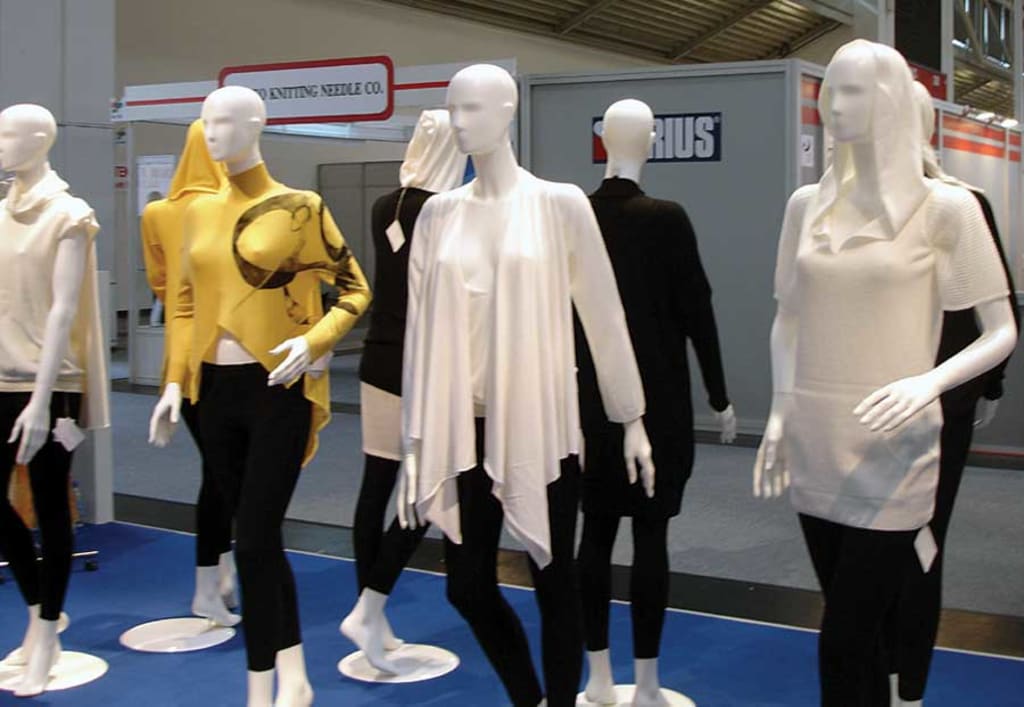
Seamless knitting technology is revolutionizing the apparel industry by enhancing efficiency, sustainability, and design possibilities. This innovative approach eliminates the need for traditional cut-and-sew methods, reducing material waste, production time, and labour costs. As consumer demand for comfort, performance, and eco-friendly fashion grows, seamless knitting is becoming a game-changer in apparel production. From sportswear to high-fashion garments, brands are adopting this technology to create high-quality, customized, and functional apparel.
1. Understanding Seamless Knitting Technology
Seamless knitting technology involves the production of garments in a single, continuous piece without the need for cutting and sewing multiple fabric panels together. Advanced knitting machines, such as Whole Garment technology from Shima Seiki and Santoni seamless knitting machines, can produce entire garments or specific sections like sleeves and bodices in one go. The result is a smoother, more comfortable fit with reduced seams, enhancing the overall aesthetic and functionality of apparel.
2. How Seamless Knitting Differs from Traditional Manufacturing
Traditional garment manufacturing involves multiple stages: fabric weaving or knitting, pattern cutting, stitching, and finishing. This process generates fabric waste and requires extensive manual labour. In contrast, seamless knitting directly forms garments from yarn, bypassing the need for cutting and assembling separate pieces. This eliminates seam lines, improving flexibility, fit, and durability.
3. Benefits of Seamless Knitting Technology
a. Reduced Fabric Waste and Sustainability
Seamless knitting significantly reduces fabric waste by eliminating excess cut-off materials. Traditional garment production often leads to 10-20% fabric waste, whereas seamless knitting uses just the required amount of yarn, aligning with sustainability goals. Many brands are also integrating recycled or biodegradable yarns into seamless knitting, further reducing their environmental impact.
b. Enhanced Comfort and Fit
Without bulky seams, seamless garments offer a second-skin feel, making them ideal for activewear, lingerie, and athleisure. The absence of stitching improves flexibility, breathability, and stretch, ensuring greater comfort and mobility. This is particularly beneficial for performance wear, where freedom of movement is crucial.
c. Faster Production Time and Cost Efficiency
Since seamless garments are created in one step, production times are significantly reduced compared to traditional methods. Automated knitting machines require minimal human intervention, lowering labor costs and increasing manufacturing efficiency. This allows brands to respond quickly to market trends and demands.
d. Greater Design Possibilities
Seamless knitting technology enables intricate design features such as variable compression, mesh panels for breathability, and gradient patterns—all without additional stitching. Designers have the freedom to experiment with different textures, thicknesses, and performance features in a single garment, pushing the boundaries of innovation.
4. Applications of Seamless Knitting in Apparel Production
a. Activewear and Sportswear
Seamless knitting has gained popularity in the sportswear industry due to its superior comfort, flexibility, and moisture-wicking properties. Brands like Nike, Adidas, and Under Armour use seamless technology to produce compression wear, leggings, and performance tops with targeted support and ventilation zones.
b. Intimate and Loungewear
Lingerie and loungewear brands are leveraging seamless knitting for its soft, irritation-free feel. Without seams, underwear, bras, and shapewear offer a sleek, body-hugging fit, enhancing comfort and aesthetics.
c. Medical and Compression Garments
Seamless knitting is widely used in medical textiles, including compression socks, post-surgical garments, and orthopaedic braces. The technology allows for seamless compression zones, promoting better circulation and support without discomfort.
d. High-Fashion and Luxury Apparel
Luxury fashion houses are incorporating seamless knitting to create futuristic, form-fitting designs. Designers use the technology to craft unique silhouettes, experimenting with sculptural forms and body-contouring designs that were previously difficult to achieve with traditional sewing techniques.
e. Sustainable and Custom Apparel
With the rise of sustainable fashion, brands are exploring seamless knitting for eco-conscious apparel. On-demand production is also gaining traction, allowing customers to customize seamless garments, reducing excess inventory and waste.
5. The Role of Technology in Seamless Knitting
Seamless knitting technology is continuously evolving with advancements in automation, artificial intelligence, and digital design.
a. 3D Virtual Sampling
Digital tools such as 3D modelling and virtual sampling allow designers to create and test seamless garments before production. This reduces material waste, accelerates the design process, and enhances precision.
b. AI and Machine Learning in Seamless Production
AI-powered knitting machines can analyse consumer preferences and optimize designs for efficiency. Smart algorithms help adjust knitting patterns for better fit, performance, and material optimization, ensuring minimal waste and high-quality output.
c. Smart Textiles and Embedded Technology
Innovations in smart textiles are integrating technology into seamless garments. Wearable tech features like biometric sensors, temperature-regulating yarns, and antibacterial properties are becoming more common, particularly in sportswear and healthcare applications.
6. Challenges and Limitations of Seamless Knitting
Despite its many advantages, seamless knitting faces some challenges:
- High Initial Investment: Advanced knitting machines require a significant upfront investment, making it less accessible to smaller brands.
- Limited Design Flexibility: While seamless knitting allows for intricate designs, certain garment styles and construction techniques may still require traditional sewing.
- Machine Maintenance and Skill Requirements: Seamless knitting machines require specialized knowledge and maintenance, necessitating skilled operators.
7. Future Trends in Seamless Knitting Technology
The future of seamless knitting is promising, with several emerging trends shaping its evolution:
- Sustainable and Bio-Based Yarns: The industry is shifting towards eco-friendly materials like algae-based yarns, organic cotton, and biodegradable fibbers to enhance sustainability.
- Customization and On-Demand Manufacturing: Advances in digital knitting will enable personalized, made-to-order garments, reducing overproduction and waste.
- Integration of Augmented Reality (AR): AR and virtual fitting rooms will allow customers to visualize and customize seamless garments before purchase.
- Robotics in Knitting Production: AI-driven robotic knitting machines will further streamline production, reducing labour dependency and improving efficiency.
Conclusion
Seamless knitting technology is transforming apparel production by offering a sustainable, efficient, and innovative approach to garment manufacturing. By reducing waste, enhancing comfort, and enabling advanced design features, it is setting a new standard in the fashion industry. From sportswear to luxury fashion, seamless knitting is reshaping how clothing is made, offering consumers high-quality garments with improved functionality and aesthetics.
As technology continues to evolve, seamless knitting will become even more sophisticated, leading to smarter textiles, greater customization, and more sustainable fashion solutions. Brands that embrace this technology will gain a competitive edge in an increasingly conscious and tech-driven market.
About the Creator
textilenews
publisher
Keep reading
More stories from textilenews and writers in Styled and other communities.
Top Knitting Industry Magazine Issues You Should Read in 2025: Must-Know Trends, Innovations, and Insights
The knitting industry continues to evolve, driven by innovations in technology, sustainability, and consumer demand for high-quality, eco-friendly textiles. As 2025 unfolds, professionals in the industry—whether manufacturers, designers, retailers, or hobbyists—must stay informed about the latest developments. Magazines dedicated to knitting, textile technology, and fashion play a crucial role in keeping industry experts updated.
By textilenews11 months ago in Styled
Deepfake Maker Face Swap: How I Create Scroll-Stopping Content in Minutes Without Editing Skills
Face Swap Technology and the Rise of AI-Generated Visual Media Artificial intelligence has transformed the way digital content is created, shared, and experienced. One of the most widely discussed developments in recent years is the emergence of face swap and deepfake technology. Once limited to research labs and advanced visual effects studios, face swapping is now accessible through web-based platforms and consumer applications.
By Abbasi Publisherabout 13 hours ago in Styled



Comments
There are no comments for this story
Be the first to respond and start the conversation.