
How Fashion-Tech Startups Are Disrupting the Garment Industry: Innovation, Automation, and the Future of Fashion
How Fashion-Tech Startups Are Redefining the Garment Industry Through Innovation, Sustainability, and Consumer-Centric Solutions

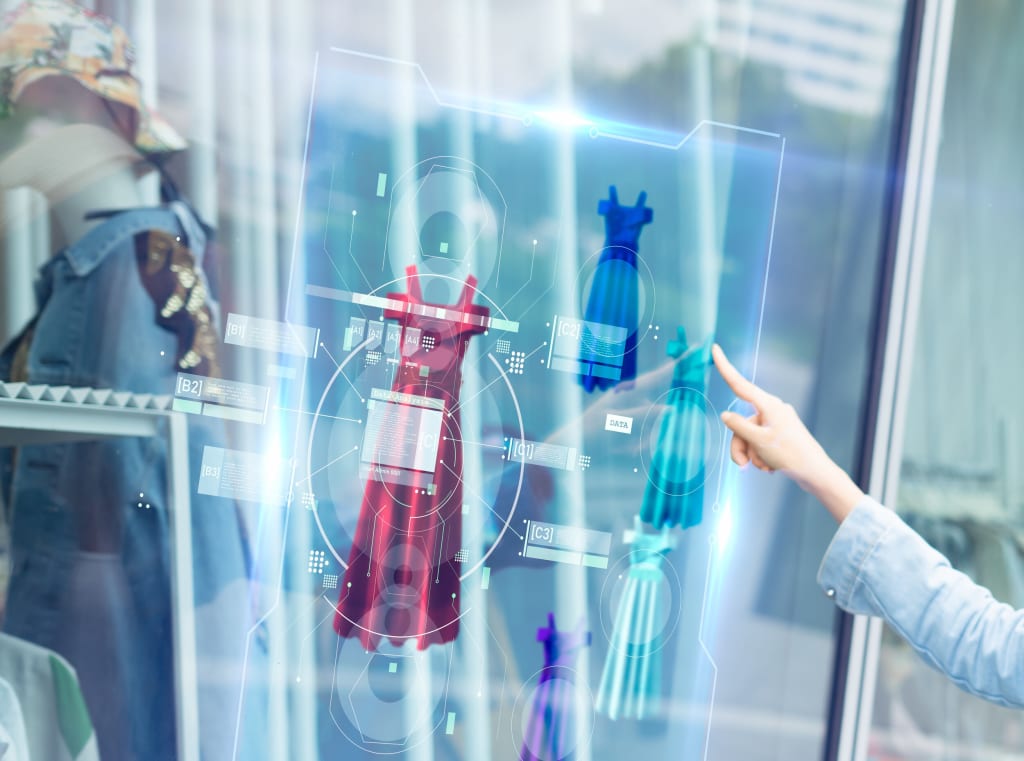
The garment industry is in the midst of a major evolution, and at the heart of this shift is the rise of fashion-tech start-up's. These agile, innovation-driven companies are using technology to solve some of the industry's biggest challenges—from wasteful production cycles and lack of personalization to outdated supply chains and poor sustainability practices.
Unlike traditional fashion companies, fashion-tech start-up's are merging creativity with cutting-edge technologies like artificial intelligence (AI), 3D modelling, blockchain, and data analytics to create smarter, more sustainable, and customer-centric business models. Their disruption is not only reshaping how clothes are made and sold, but also changing the way consumers interact with fashion.
Here’s a breakdown of how fashion-tech start-up's are transforming the garment industry:
1. On-Demand Manufacturing and Customization
One of the biggest impacts of fashion-tech start-up's is the shift toward on-demand manufacturing, which helps reduce waste and eliminate overproduction—a chronic problem in fast fashion.
Platforms like Unspun and Finesse use AI and data to produce clothing only when it's ordered, often customized to a consumer’s specific measurements. This model not only saves resources but also offers better fit and personalization, making it a win-win for both the environment and the customer.
In addition, digital body scanning and virtual try-on technologies are helping consumers visualize how garments will look and fit, reducing return rates and improving satisfaction.
2. AI and Machine Learning in Trend Forecasting
Traditionally, predicting fashion trends involved human intuition, runway analysis, and a bit of guesswork. Fashion-tech start-up's are changing the game by using AI and machine learning to analyse massive amounts of data—social media trends, customer behaviour, online searches, and global events—to accurately forecast what’s next.
Companies like Stylumia and Edited offer data-driven trend forecasting tools that allow brands to make smarter design and merchandising decisions. This leads to fewer missed trends, less unsold inventory, and more efficient production.
3. Virtual Fashion and the Metaverse
A rapidly emerging space is digital fashion and the integration of fashion in the metaverse. Start-up's like The Fabricant and DressX are creating garments that exist solely in the digital world—used for avatars, gaming, AR try-ons, or social media content.
These virtual garments are not only eco-friendly but also open up new creative possibilities for designers. Some luxury brands have already partnered with fashion-tech platforms to launch NFT fashion items or digital wearables, signalling that this trend is just getting started.
4. Smart Fabrics and Wearable Technology
Another area where fashion-tech start-up's are disrupting the industry is through the development of smart fabrics and wearables. These materials are embedded with sensors or microelectronics that monitor everything from body temperature to heart rate.
Start-up's like Hexoskin and Wearable X are producing garments that function as health monitors or athletic performance enhancers. As the demand for health-conscious and connected clothing grows, fashion-tech is bridging the gap between utility and style.
5. Sustainable Innovation and Eco-Tech
Sustainability is no longer just a buzzword—it’s a core business driver. Many start-up's are addressing environmental concerns with innovative eco-tech solutions. Whether it's developing biodegradable materials, closed-loop recycling processes, or carbon-negative textiles, fashion-tech is taking sustainability to the next level.
For instance, companies like Bolt Threads are creating lab-grown leather alternatives, while others are turning algae, mushrooms, and even food waste into wearable textiles. These innovations are giving brands a sustainable edge without compromising on style or performance.
6. Supply Chain Transparency and Blockchain
Today’s consumers want to know exactly where their clothes come from and how they’re made. Fashion-tech start-up's are using blockchain and other traceability tools to provide end-to-end transparency in the supply chain.
Start-up's like Provenance and Ever ledger use blockchain technology to track the origin of materials, labour conditions, and environmental impact. This data can be shared with consumers through QR codes or NFC chips embedded in garments, building trust and accountability.
7. Automated Design and Digital Sampling
With the help of automation and software, start-up's are revolutionizing the design process itself. 3D design platforms like CLO, Brow wear, and TUKA3D allow designers to create realistic digital garments that can be altered, sampled, and approved without producing a physical sample.
This not only shortens the design cycle but also reduces material waste, shipping costs, and energy consumption. In many cases, digital garments can be sold online before they’re even physically produced, using mock-ups or virtual models.
8. Direct-to-Consumer (DTC) and E-commerce Innovation
The rise of DTC brands is a direct result of how fashion-tech startups are leveraging e-commerce innovation to connect with customers in more personal and efficient ways. Instead of relying on third-party retailers, DTC start-up's use technology to manage every aspect of their business—from design and production to marketing and fulfilment.
These start-up's often use advanced customer analytics, AI-powered recommendation engines, and real-time feedback loops to optimize inventory, improve product development, and personalize the shopping experience.
9. The Role of Augmented Reality (AR) in Shopping
Augmented Reality is redefining the online shopping experience. Try-before-you-buy technology, virtual fitting rooms, and interactive AR campaigns are becoming essential tools for modern fashion brands.
Start-up's like Zeekit (acquired by Walmart) and Vue.ai are integrating AR with AI to give customers a more engaging and accurate shopping experience. This not only increases confidence in purchasing decisions but also reduces returns—one of the biggest pain points in e-commerce.
10. Democratization of Fashion Design
Fashion-tech is making it possible for anyone—not just big brands—to become a designer. Platforms that allow user-generated design, small-batch manufacturing, and crowdfunding have lowered the barriers to entry in the industry.
Start-up's like T-Shirt Mint and Painful offer print-on-demand services, while others like Atacac or Suzy leverage digital tools to help new designers enter the market without heavy investment in stock or infrastructure.
Conclusion: A New Era for the Garment Industry
The garment industry has always evolved alongside culture and technology, but the changes driven by fashion-tech start-ups are more foundational than ever before. From sustainability and personalization to transparency and automation, these companies are not just improving fashion—they are redefining it.
As the boundaries between fashion, technology, and lifestyle blur, the winners in this new era will be those who embrace innovation, agility, and purpose. For consumers, this means better choices, more transparency, and a stronger connection to the clothes they wear. For the industry, it’s a call to action—disrupt or be disrupted.
The future of fashion is tech-powered, consumer-focused, and driven by start-up's that dare to challenge the status quo.
About the Creator
textilenews
publisher
Keep reading
More stories from textilenews and writers in Styled and other communities.
The Evolution of Fast Fashion in the Garment Industry: From Runway to Real-Time
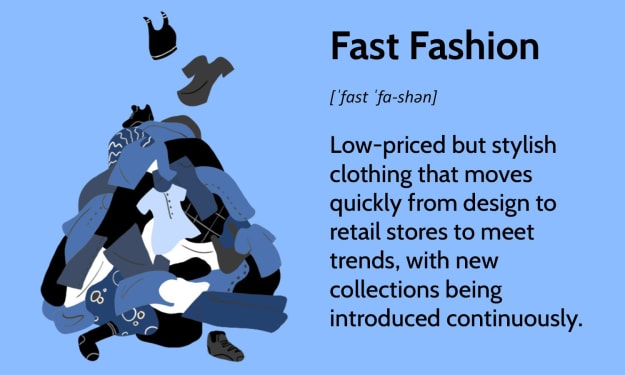
The term "fast fashion" has become both a marvel of modern retail and a point of controversy in the global garment industry. Over the past few decades, fast fashion has revolutionized how clothes are produced, marketed, and consumed—bringing catwalk styles to consumers at lightning speed and affordable prices. However, the rise of fast fashion has also sparked conversations around environmental impact, labour conditions, and the sustainability of such a rapid production model.
By textilenews9 months ago in Styled
Latest Women’s Fashion News: Trends Shaping Modern Style
Women’s fashion is undergoing a powerful transformation, shaped by changing lifestyles, global cultural influences, and a growing demand for individuality and responsibility. In recent years, fashion has moved beyond seasonal trends and has become a reflection of personal values, comfort, and confidence. The latest women’s fashion news highlights a dynamic industry where creativity meets practicality, and tradition blends seamlessly with modern innovation. From runways to street style, women’s fashion is redefining how style is perceived and worn across the world.
By duran lorena7 days ago in Styled
Cocktail Dresses That Are Chic, Comfortable, and Stylish
Cocktail attire has evolved to meet the needs of modern women who want to look polished without sacrificing comfort. Today’s chic cocktail dresses are thoughtfully designed to balance style, ease, and versatility—making them perfect for weddings, evening parties, receptions, and special celebrations.
By Style Sparksabout 6 hours ago in Styled
The Devil's Cut
“Comrade, finally you’re awake.” The voice was smooth, sensual. A flickering incandescent bar was all that lit the white, sterile room. All Vladimir remembered was everything going black. He tried to move his arms and found them strapped to the gurney.
By Matthew J. Fromm6 days ago in Fiction


Comments
There are no comments for this story
Be the first to respond and start the conversation.