
How AI-Powered Quality Control Is Improving the Apparel Industry: Enhancing Efficiency, Reducing Waste, and Ensuring Superior Standards
Revolutionizing Apparel Manufacturing: How AI-Powered Quality Control is Transforming the Industry

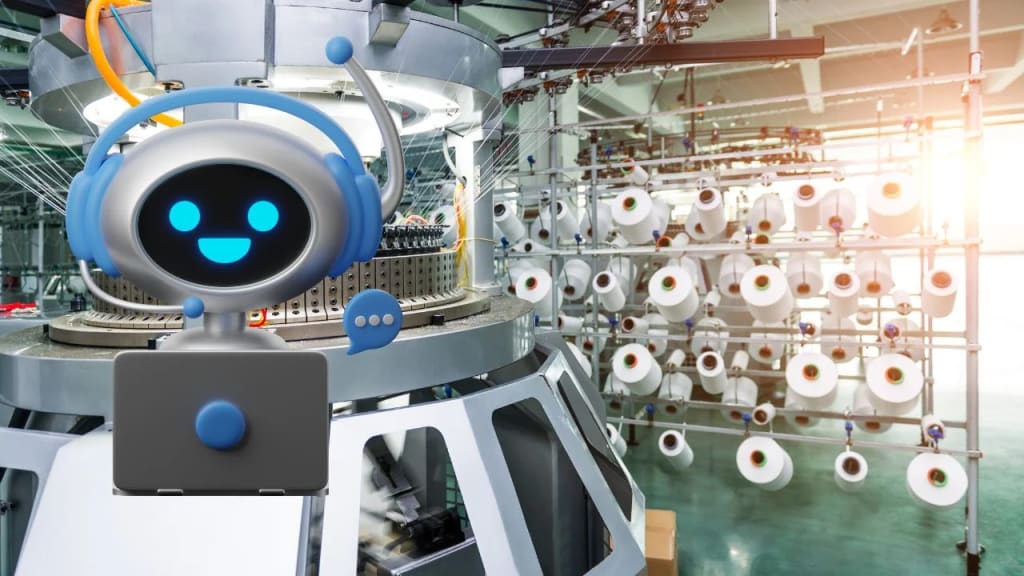
The apparel industry is undergoing a digital transformation, with artificial intelligence (AI) playing a crucial role in optimizing production processes. One of the most significant advancements is the use of AI-powered quality control systems, which are improving efficiency, reducing defects, and ensuring superior product standards. Traditional quality control methods, which rely heavily on human inspection, can be time-consuming, prone to errors, and inconsistent. AI-powered quality control addresses these challenges by utilizing machine learning, computer vision, and data analytics to detect defects, enhance precision, and streamline operations.
This article explores how AI-powered quality control is revolutionizing the apparel industry, improving production outcomes, and driving sustainability.
1. The Importance of Quality Control in the Apparel Industry
Quality control (QC) is a critical aspect of apparel manufacturing, ensuring that garments meet industry standards and consumer expectations. Poor quality control can lead to:
- High return rates and customer dissatisfaction
- Increased production costs due to rework and waste
- Brand reputation damage and loss of consumer trust
- Inefficiencies in the supply chain
Traditional quality control methods rely on manual inspection, where workers check fabrics, stitching, and finished products for defects. However, these methods have limitations, including human fatigue, subjectivity, and inefficiencies in detecting minute defects. AI-powered quality control offers a smarter, more consistent, and scalable solution.
2. How AI-Powered Quality Control Works
AI-powered quality control leverages advanced technologies such as:
- Computer Vision – AI-driven cameras and sensors scan garments for defects, identifying issues like fabric inconsistencies, stitching errors, colour mismatches, and pattern misalignment.
- Machine Learning – AI models learn from vast datasets of defect patterns, improving their accuracy and ability to detect quality issues over time.
- Data Analytics – AI-driven insights help manufacturers pinpoint recurring defects, optimize production processes, and prevent quality issues before they escalate.
- Automated Inspection Systems – AI-powered robots and scanners inspect garments at high speeds, reducing reliance on manual labour and increasing consistency.
By integrating these technologies, AI ensures a high level of accuracy and efficiency in detecting defects, significantly improving production quality.
3. Benefits of AI-Powered Quality Control in the Apparel Industry
A. Enhanced Accuracy and Consistency
AI-powered quality control systems provide unmatched accuracy in defect detection compared to human inspectors. These systems can identify microscopic fabric flaws and inconsistencies that might be overlooked by manual inspections. Additionally, AI ensures consistent quality standards across all production lines, eliminating human subjectivity.
B. Faster Inspection and Improved Efficiency
Manual quality inspections can be slow and labour-intensive, leading to production bottlenecks. AI-powered systems can scan thousands of garments in a fraction of the time, speeding up the inspection process without compromising quality. This allows manufacturers to produce higher volumes while maintaining stringent quality standards.
C. Reduction in Production Waste and Costs
Defective garments result in material waste, increased costs, and delays. AI-powered quality control reduces defects at early production stages, minimizing waste and rework expenses. This contributes to cost savings and promotes sustainable manufacturing by reducing fabric and resource waste.
D. Real-Time Defect Detection and Prevention
AI-powered systems provide real-time quality monitoring, allowing manufacturers to detect and correct defects immediately. Instead of identifying defects after production, AI can spot irregularities in fabrics, stitching, or printing early in the process. This proactive approach prevents defective products from reaching the market and enhances overall efficiency.
E. Data-Driven Insights for Continuous Improvement
AI generates valuable data insights, helping manufacturers analyse defect trends, identify problem areas, and optimize production processes. These insights enable companies to improve manufacturing techniques, enhance worker training, and implement corrective measures that lead to higher-quality garments.
4. Applications of AI-Powered Quality Control in the Apparel Industry
A. Fabric Inspection
Fabric defects, such as holes, colour inconsistencies, and weaving flaws, can impact the quality of the final garment. AI-powered fabric inspection systems use high-resolution cameras and deep learning algorithms to detect defects before the fabric is cut and sewn, reducing material waste and improving overall product quality.
B. Stitching and Seams Inspection
Proper stitching is crucial for garment durability and aesthetics. AI-powered vision systems inspect seams for missed stitches, loose threads, and alignment issues, ensuring garments meet quality standards before reaching the market.
C. Pattern and Print Quality Control
AI can analyse garment patterns and prints to detect inconsistencies in designs, misaligned graphics, and printing defects. This is particularly useful for brands that rely on precise pattern placement in their clothing designs.
D. Colour Matching and Consistency
Inconsistent colour shades across garments can lead to product rejection. AI-powered colour matching systems analyse fabric colours under different lighting conditions to ensure uniformity and consistency in every batch.
E. Smart Wearable Technology Inspection
With the rise of smart textiles and wearable technology, AI-powered quality control is essential in verifying the integration of sensors and electronic components within garments, ensuring functionality and durability.
5. AI-Powered Quality Control and Sustainability in Fashion
Sustainability is a major concern in the fashion industry, and AI-powered quality control plays a significant role in reducing the environmental impact of production. Here’s how AI contributes to sustainability:
- Minimizing Waste – By detecting defects early, AI reduces fabric waste and ensures that only high-quality garments proceed to the next stage of production.
- Lower Carbon Footprint – Optimized production processes mean fewer rejected garments, reducing energy and resource consumption.
- Efficient Use of Resources – AI-driven insights help manufacturers optimize fabric usage, minimizing excess material wastage.
- Encouraging Circular Fashion – AI-powered quality control ensures that upcycled and recycled fabrics meet high-quality standards, supporting the circular economy in fashion.
By integrating AI-powered quality control, apparel manufacturers can align with sustainable fashion goals and reduce their environmental impact.
6. Challenges and Considerations in Implementing AI-Powered Quality Control
While AI-powered quality control offers numerous benefits, there are challenges to consider:
- High Initial Investment – Implementing AI-driven inspection systems requires significant investment in hardware, software, and training.
- Integration with Existing Systems – Manufacturers must integrate AI quality control with current production processes, which may require system upgrades.
- Skilled Workforce Requirement – AI adoption necessitates training workers in AI-based quality control technologies and data analytics.
- Data Security and Privacy – As AI systems collect vast amounts of production data, ensuring data security and privacy is crucial.
Despite these challenges, the long-term benefits of AI-powered quality control—improved efficiency, cost savings, and enhanced sustainability—outweigh the initial implementation costs.
7. The Future of AI in Apparel Quality Control
The future of AI in quality control is promising, with continuous advancements in machine learning, automation, and robotics. Emerging trends include:
- AI-Driven Predictive Maintenance – AI will not only detect defects but also predict potential machine failures, preventing production downtime.
- Robotic Quality Inspection – AI-powered robotic arms equipped with vision technology will autonomously inspect and sort garments.
- Integration with Blockchain – AI and blockchain will provide end-to-end transparency in the quality control process, ensuring traceability and authenticity in apparel manufacturing.
As AI technology continues to evolve, the apparel industry will witness even greater improvements in quality control, making fashion production more efficient, cost-effective, and sustainable.
Conclusion
AI-powered quality control is revolutionizing the apparel industry by enhancing accuracy, efficiency, and sustainability. Through automated inspection, real-time defect detection, and data-driven insights, AI is reducing production waste, improving garment quality, and streamlining manufacturing processes.
As fashion brands and manufacturers embrace AI-driven quality control, they gain a competitive edge in producing high-quality, sustainable, and consumer-friendly garments. With ongoing technological advancements, AI will continue to shape the future of quality control in the apparel industry, setting new standards for precision and innovation.
About the Creator
textilenews
publisher
Keep reading
More stories from textilenews and writers in Styled and other communities.
The Future of Customization in the Apparel Industry: How Technology and Consumer Demand Are Reshaping Fashion
The apparel industry is undergoing a dramatic transformation, driven by changing consumer preferences and advancements in technology. One of the most significant trends shaping the industry is customization, which allows consumers to design, modify, and personalize clothing to suit their individual tastes and needs. As mass production takes a backseat to personalization, brands are increasingly investing in innovative technologies and business models to meet this growing demand. From AI-driven design tools to on-demand manufacturing, the future of apparel is becoming more personalized than ever before.
By textilenews11 months ago in Styled
Top 10 Tigre Rosa Heels Loved by Fashion Influencers in 2026
Dubai’s fashion landscape in 2026 is all about statement design, craftsmanship, and meaningful luxury, and no brand captures this spirit quite like Tigre Rosa. Blending Italian artisanal footwear with symbolic aesthetics, Tigre Rosa heels have become a must-wear among fashion influencers, style icons, and trendsetters not just in the UAE — but across the global fashion scene.
By tigrerosaofficial5 days ago in Styled




Comments
There are no comments for this story
Be the first to respond and start the conversation.