
How AI Makes Thrifting and Second-Hand Cool Again
Discover how AI thrift fashion is revitalizing second‑hand shopping with trend forecasting, visual search, personalization, and sustainable style.

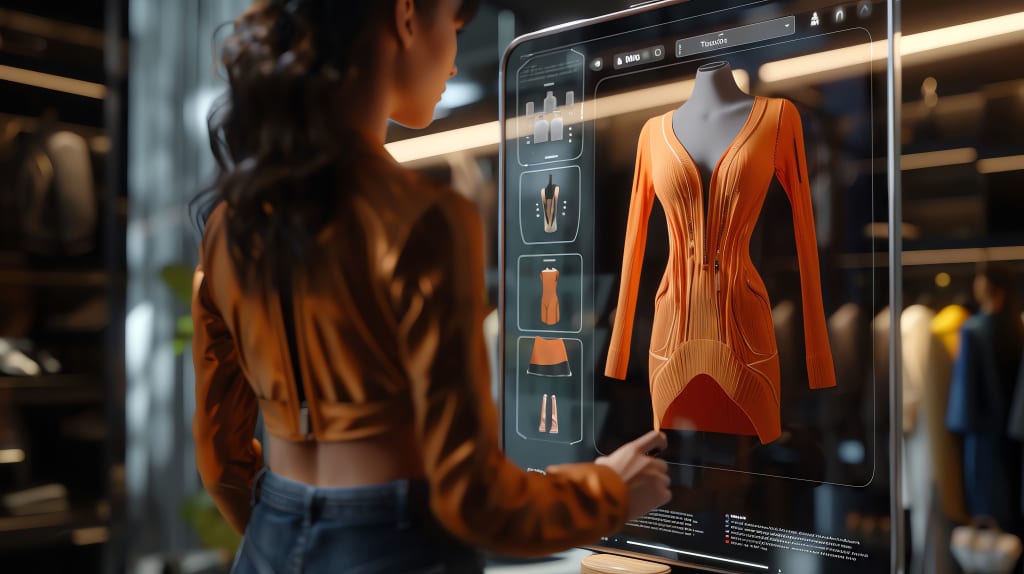
Thrifting and second-hand fashion have long been beloved by those seeking unique style and sustainability. Yet, for many, the experience of digging through endless racks or scrolling through cluttered listings could be daunting. Enter AI thrift fashion — a technology-driven renaissance that is transforming the second-hand shopping landscape. By making thrifting smarter, more personalized, and effortlessly cool, artificial intelligence is redefining what it means to shop sustainably in today’s digital age. This blog explores how AI is empowering consumers and retailers alike, turning thrifting into an engaging, trend-forward, and eco-conscious experience that resonates with a new generation of shoppers.
AI-Driven Trend Forecasting Revives Vintage Styles
One of the most exciting ways AI is reshaping second-hand shopping is through predictive trend forecasting. AI thrift fashion platforms analyze vast amounts of data — from historical style archives and current social media trends to consumer purchasing patterns — to predict which vintage looks are about to make a comeback. This insight gives thrift retailers a significant advantage by allowing them to curate and stock pieces that will soon be highly sought after.
For shoppers, this means a more relevant and exciting selection of items that align with current fashion cycles, without the wait for trends to hit the mainstream. AI’s ability to spot micro-trends ahead of time revitalizes interest in timeless styles, bridging nostalgia with contemporary taste. This forecasting not only makes thrifting more fun but also helps promote sustainability by encouraging the reuse of classic, quality garments rather than fast fashion.
Personalized Recommendations and Seamless Discovery
A longstanding challenge in thrifting has been the overwhelming amount of choice and the effort required to sift through it. AI solves this by powering hyper-personalized recommendations that align with individual tastes, sizes, budgets, and even lifestyle preferences. Using data from browsing history, past purchases, and social media signals, AI thrift fashion platforms tailor the shopping experience uniquely for each user.
Additionally, natural language search and AI chatbots allow shoppers to easily find exactly what they want by typing or speaking simple queries like “vintage floral dresses” or “90s denim jacket.” This intuitive interface removes barriers and enhances discovery, transforming second-hand shopping from a chore into a delightful, tailored experience. The result is increased shopper satisfaction, higher engagement, and ultimately, a boost in sales for thrift retailers.
Visual Search and Instant Identification
Visual search technology is another breakthrough in AI thrift fashion that democratizes the thrifting experience. Shoppers no longer need expert knowledge or descriptive terms to find what they want. Instead, they can simply upload a photo of a desired item — whether from a magazine, social media, or the street — and the AI instantly scans millions of second-hand listings to find similar pieces.
This instant identification capability, powered by advanced image recognition, makes hunting for that perfect thrift find accessible and efficient for everyone. Users feel like treasure hunters with a high-tech map, navigating the digital thrift world with ease. Tools such as Google Lens alternatives and AI-powered image search on platforms like ThredUp highlight how technology breaks down traditional barriers and opens the market to a broader audience.
Dynamic Pricing and Inventory Optimization
Behind the scenes, AI thrift fashion is revolutionizing the business side of second-hand retail through dynamic pricing and inventory management. AI algorithms continuously analyze factors such as demand trends, seasonal shifts, and item condition to suggest optimal pricing. This helps ensure buyers receive fair deals while sellers maximize profits without manual guesswork.
Moreover, AI assists thrift stores and online platforms in managing vast inventories by categorizing items intelligently and forecasting demand to maintain stock levels of popular styles. This level of efficiency reduces waste and unsold stock, improving profitability and sustainability. With AI managing these complex variables, the second-hand market becomes more professionalized and competitive, further legitimizing thrifting as a mainstream shopping choice.
Authenticity and Trust in Second-Hand Luxury
A major concern in the second-hand luxury market is the risk of counterfeit goods, which has historically undermined buyer confidence. Fortunately, AI is playing a critical role in establishing authenticity and trust. Through pattern recognition, material analysis, and detailed inspection of stitching and logos, AI-driven authentication tools can verify luxury items with remarkable accuracy.
This technology not only protects consumers but also elevates the reputation of second-hand luxury platforms, encouraging more shoppers to explore high-end options at accessible prices. As AI makes it easier to distinguish genuine designer pieces from fakes, second-hand luxury shopping is becoming safer, more reliable, and more appealing.
Real-World Examples and Industry Trends
The impact of AI thrift fashion is already visible in several innovative companies and platforms:
Phia, co-founded by Phoebe Gates, is an AI-powered app and browser extension that scans over 250 million listings from major resale sites like The RealReal, Vestiaire Collective, ThredUp, and Poshmark. It helps budget-conscious shoppers instantly compare retail prices with second-hand deals, making sustainable choices both easy and attractive.
ThredUp stands out for its AI-driven natural language search and image tagging, allowing users to find unique pre-loved items quickly. CEO James Reinhart emphasizes how AI brings “emotion and storytelling” to the second-hand shopping journey, making it a personalized and engaging experience.
Digital authentication platforms employ AI to combat counterfeiting in luxury resale, increasing consumer confidence and expanding the market.
These examples demonstrate how AI is seamlessly woven into the fabric of modern thrift fashion, powering every stage of the shopping experience from discovery to purchase.
Blending AI Thrift Fashion with Glance
Glance subtly complements the AI thrift fashion movement by offering budget-conscious shoppers access to a diverse range of brands, including both thrifted and newly released pieces, presented in an inspiring, visually rich feed. It shows how second-hand treasures can be styled fresh and on-trend, sparking ideas for eco-friendly wardrobes.
For those interested, visiting Glance’s platform offers an immersive way to explore the future of shopping where inspiration meets sustainability.
Key Statistics: AI Thrift Fashion’s Impact
- The rise of AI thrift fashion is supported by strong market trends and statistics:
- In 2024, 58% of consumers purchased second-hand apparel, with the 18-44 age group leading the charge.
- Global resale fashion sales grew by 15% in 2024, projected to exceed $250 billion by 2025.
The U.S. resale apparel market is expected to more than double by 2028, driven largely by AI-powered platforms and a growing consumer focus on sustainability and affordability.
These figures underscore that AI-driven thrift fashion is not just a niche trend but a powerful force shaping the future of the fashion industry.
Expert Commentary
James Reinhart, CEO of ThredUp, encapsulates the transformative power of AI in thrift fashion:
“AI brings emotion and storytelling to every thrifting journey, making sustainable shopping both intuitive and fun.”
This perspective highlights how AI is not merely a technical upgrade but a cultural shift that reconnects shoppers with meaningful, personalized experiences — all while promoting eco-friendly consumption.
Conclusion
AI thrift fashion is breathing new life into the world of second-hand shopping by blending technology with sustainability and style. From trend forecasting and personalized recommendations to visual search, dynamic pricing, and authentication, AI elevates every facet of the thrift experience. It empowers shoppers to discover unique pieces effortlessly while helping retailers optimize their offerings and build trust.
As consumers grow increasingly eco-conscious and style-savvy, embracing AI-powered second-hand platforms becomes essential. They not only make thrifting cool again but position it as a smart, accessible, and inspiring choice for the modern wardrobe. For those ready to explore this exciting evolution, platforms like Glance offer a glimpse into the future of shopping — where creativity, personalization, and sustainability come together seamlessly.
About the Creator
Lisa Marcus
Seasoned software developer with over a decade of experience in crafting innovative solutions for web and mobile platforms.
Keep reading
More stories from Lisa Marcus and writers in Styled and other communities.
4th July Style Made Easy with an AI Outfit Planner: Your Guide to Patriotic Looks
The 4th of July is a celebration of freedom, fun, and feeling good in what you wear. From backyard BBQs to fireworks under the stars, how you dress can set the tone for the entire day. This year, fashion meets tech with the rise of the AI outfit planner, your go-to tool for creating effortless, festive, and flattering looks.
By Lisa Marcus8 months ago in Styled
The Texture Transformation Method: A Natural Way to Smooth and Refine Your Skin
Rough patches, uneven tone, and visible pores can make even healthy skin appear tired. Many people turn to strong peels or abrasive scrubs in hopes of quick improvement, yet those methods often create irritation that worsens texture over time. A smarter approach relies on gentle, all-natural strategies that support your skin’s renewal process instead of forcing dramatic change. When you work with your skin’s biology, you can noticeably refine texture without compromising comfort.
By Kelln Small6 days ago in Styled
How to Style a Pakistani Kurta Set for Casual Family Gatherings
There’s something comforting about getting ready for a family gathering—the kind of day where you know you’ll be sitting on the floor with cousins, helping in the kitchen, moving around the house, and still wanting to feel presentable. A Pakistani Kurta Set fits beautifully into these moments. It doesn’t try too hard, yet it holds a quiet grace that feels right for home, comfort, and togetherness.
By Pakistani fashion4 days ago in Styled


Comments
There are no comments for this story
Be the first to respond and start the conversation.