
Here's how I got rid of my stubborn abdominal fat in 3 months
also avoided muscle loss

On a balmy afternoon in July 2011, I found myself utterly alone at home, lounging on the couch, devoid of stress or pressing thoughts. Both my mind and body were unencumbered. With a lucrative job set to commence in two months and a freshly earned bachelor's degree in mechanical engineering, life appeared meticulously aligned for my ambitions.
Years of indulgent dormitory living had transformed my once lean physique into something far from ideal. My stomach, bloated and disproportionate, bore the consequences of devouring countless butter-saturated Indian parathas, oil-laden fritters, and an assortment of junk food.
My wardrobe betrayed me; garments hung awkwardly, and public swimming pools became sites of shame. I resorted to contorted poses in photographs to mask the bulbous, irregularly shaped silhouette of my body. Body-shaming wasn’t external—it emanated from within.
The persistent presence of the dreaded abdominal "spare tire" was a perpetual irritant, as it is for many slender individuals grappling with this paradox. College life had concluded, leaving no scapegoat for my predicament. The onus was now mine to bear.
A Desperate Attempt at Change
I resolved to fast under the guise of religious devotion, circumventing my mother's inquiries and her persistent offerings of food (as is customary in many Indian households, where plumpness is equated with prosperity and joy). However, my plan backfired spectacularly. Restricting myself to one meal per day only exacerbated my appetite, leading to overindulgence. The result? A complete failure to achieve any semblance of progress.
Frustrated, I sought the counsel of Dr. Parekh, our family physician, discreetly avoiding familial scrutiny.
Unpacking the Mystery of Belly Fat in the Slender
Seated in Dr. Parekh’s clinic, I posed my burning question: Why do lean individuals like me harbor belly fat?
Dr. Parekh, with the wisdom of experience, elaborated:
“Anyone can accumulate visceral fat, but slim people are particularly susceptible due to unique physiological factors.”
His insights were as enlightening as they were sobering:
1. Inherent Frailty of a Lean Frame
Skinny individuals inherently possess less muscular mass. Their core and stabilizer muscles often lack the strength to hold the body’s structure, resulting in anterior pelvic tilt—a condition where the pelvis shifts forward, pushing the abdomen outward.
2. Lethargy Fuels Vulnerability
My university years were devoid of rigorous physical activity. Prolonged inertia had rendered my abdominal muscles feeble and slack, incapable of maintaining a taut physique
3. The Perils of Processed Consumption
My penchant for processed foods had caught up with me. Dr. Parekh emphasized that even modest portions of junk foods laden with trans fats and harmful oils contribute significantly to visceral fat accumulation.
4. Protein Deficiency: A Vegetarian Dilemma
As a vegetarian, my protein intake was abysmally low. Without eggs or supplements, my diet leaned heavily on limited sources like cottage cheese and lentils, which were insufficient to meet daily nutritional requirements.
The Uphill Battle: Fat Loss for the Slender
For lean individuals, shedding belly fat poses a distinct conundrum. Excessive exercise risks muscle loss, leaving the body weaker and the belly fat unyielding. Dr. Parekh stressed that traditional fitness regimens often prioritize strength or endurance but neglect muscle hypertrophy—a crucial component for addressing this issue effectively.
A Strategic Fitness Regimen
To combat my predicament, Dr. Parekh recommended hypertrophy training, meticulously designed to stimulate muscle growth while targeting fat reduction. Here's the structured plan I followed:
Warm-Up
Before each session, a thorough warm-up prepared my body for exertion, minimizing injury risks and enhancing circulation. Activities included light jogging or cycling to elevate muscle temperature and flexibility.
Key Exercises
Each workout comprised a series of targeted exercises, performed in sets of 10–15 repetitions with rest intervals. These included barbell squats, Pendlay rows, and Romanian deadlifts, each designed to fortify specific muscle groups.
Cooling Down
Post-workout stretches facilitated recovery, alleviating delayed-onset muscle soreness (DOMS) and promoting efficient lactic acid clearance. Cooling down became integral to sustaining my regimen.
Diet Overhaul: Fueling Transformation
Dietary adjustments played an indispensable role in my journey. Key changes included:
1. Elevated Protein Consumption
Foods like tofu, edamame, and whey protein drinks became mainstays, delivering necessary protein to promote muscle repair and development.
2. Reduced Refined Carbs
Replacing white rice and sugary snacks with quinoa and multigrain bread increased metabolic health and decreased fat accumulation.
3. Switch to Healthier Oils
Coconut oil, high in medium-chain triglycerides, replaced standard cooking oils, increasing fat metabolism.
4. Soluble Fiber Focus
Incorporating avocados, lentils, and flaxseeds helped digestion and promoted gradual fat loss.
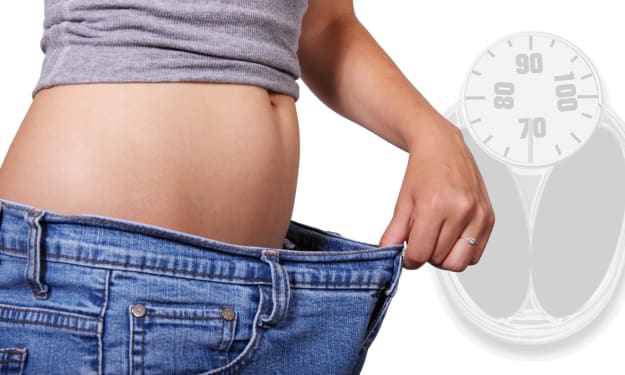
By the eighth week, the rewards of my effort started to manifest. My previously bulging belly vanished, replaced with a firmer, more defined waistline. The road wasn’t without its hurdles, but tenacity and a balanced approach proved transformational.
Closing Reflections
Belly fat, especially for slim folks, isn’t only a cosmetic concern—it’s a sign of possible health hazards, from insulin resistance to cardiovascular difficulties. While my route included intentional and extensive efforts, the fundamentals are universally applicable: a disciplined workout program and a mindful diet may unleash a healthier, more confident self.
About the Creator
Keep reading
More stories from GHABANI BOULEFAA and writers in Styled and other communities.
Cocktail Dresses That Are Chic, Comfortable, and Stylish
Cocktail attire has evolved to meet the needs of modern women who want to look polished without sacrificing comfort. Today’s chic cocktail dresses are thoughtfully designed to balance style, ease, and versatility—making them perfect for weddings, evening parties, receptions, and special celebrations.
By Style Sparksa day ago in Styled


Comments
There are no comments for this story
Be the first to respond and start the conversation.