
Garment Industry Article: Exploring 2025's Innovations, Trends, and Sustainability Shifts
How Innovation, Sustainability, and Conscious Consumerism Are Redefining Fashion in 2025

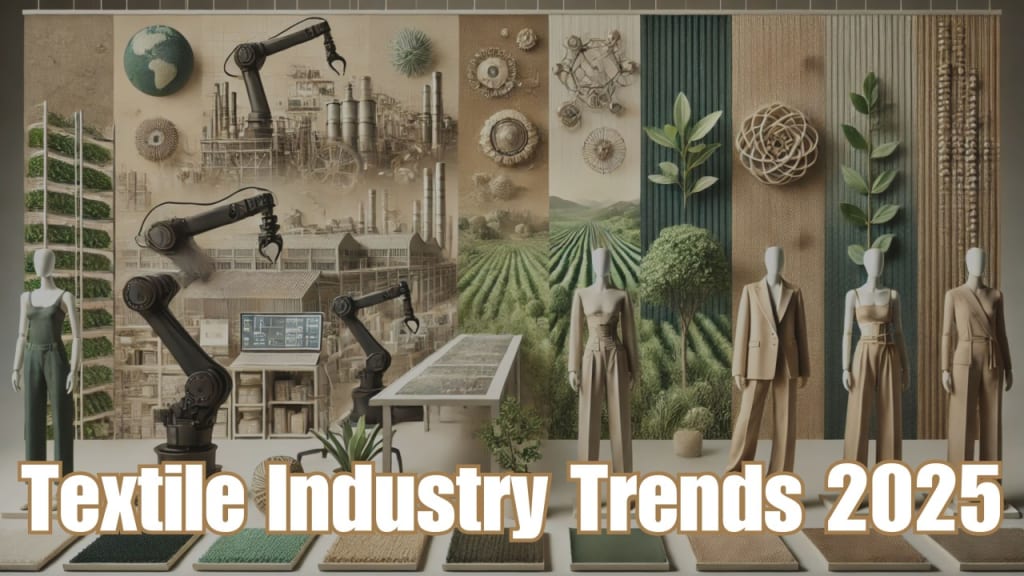
The global garment industry is stepping into 2025 with bold innovations, transformative trends, and a strong commitment to sustainability. After years of rapid technological progress, shifting consumer behaviour, and increasing environmental concerns, the fashion and apparel sector is experiencing a pivotal moment of change. From smart textiles to AI-powered production, and from eco-conscious materials to ethical business models, 2025 marks a year where innovation and responsibility are more interconnected than ever before. This article takes an in-depth look at the key developments shaping the garment industry in 2025, exploring how technology, fashion trends, and sustainability are redefining the future of clothing.
1. Technological Innovations Reshaping Manufacturing
Technology continues to be the backbone of modernization in the garment sector. In 2025, automation and AI-driven solutions have revolutionized the way garments are designed, manufactured, and distributed.
- AI-Powered Design & Forecasting: Brands now rely heavily on artificial intelligence for trend prediction, inventory management, and customer preference analysis. Machine learning algorithms scan social media, sales data, and cultural movements to guide design teams in real time.
- 3D Sampling and Virtual Prototyping: Instead of wasting time and fabric on physical samples, 3D garment design allows brands to visualize, tweak, and approve collections digitally—reducing waste and speeding up production timelines.
- Robotics and Smart Manufacturing: Automated cutting machines, sewing robots, and AI-managed production lines have increased efficiency while reducing human error. This has also paved the way for on-demand manufacturing, which minimizes overproduction and aligns with sustainability goals.
- Digital Twins and Virtual Fitting Rooms: Consumers can now try on clothes virtually through AR apps, while brands use digital twins of garments to simulate how items will perform in real-life conditions.
2. Fashion Trends of 2025: Where Aesthetic Meets Conscious Living
In 2025, fashion trends are deeply connected to lifestyle, individuality, and ethical consciousness. Consumers are more selective, valuing quality over quantity and authenticity over hype.
- Slow Fashion on the Rise: More people are investing in timeless, versatile, and well-crafted garments rather than chasing fast-changing trends. Capsule wardrobes and modular clothing systems are gaining popularity.
- Tech wear and Functional Fashion: As people seek comfort, versatility, and performance, fashion is blending with utility. Garments with built-in tech (like temperature regulation or fitness tracking) are becoming mainstream.
- Cultural and Gender Fluidity: Brands are embracing inclusive design that respects cultural identities, body positivity, and non-binary fashion. Gender-neutral clothing lines are no longer niche but integrated across collections.
- Personalization and Customization: From AI-generated style recommendations to made-to-order clothing, fashion in 2025 is all about individuality. Custom fits and personalized prints are easily accessible thanks to digital printing and scalable customization tools.
3. Sustainability Shifts: A Deep Industry-Wide Commitment
Sustainability is no longer a buzzword—it's a guiding principle. Consumers expect brands to walk the talk when it comes to environmental and social responsibility.
- Eco-Friendly and Regenerative Materials: Organic cotton, hemp, Tencel, Piñatex, mycelium leather, and recycled polyester are standard in new collections. Emerging innovations like seaweed fibber and lab-grown fabrics are also gaining traction.
- Waterless Dyeing & Clean Manufacturing: Water-saving dyeing technologies and closed-loop systems are being adopted across production facilities. Cleaner processes reduce harmful chemical usage and waste runoff into ecosystems.
- Circular Fashion Models: Brands are embracing full circularity, offering repair, resale, and recycling services. “Take-back” programs, clothing rental, and upcycling platforms are thriving in 2025.
- Carbon-Neutral Goals and Climate Action: Many garment brands have pledged to become carbon neutral or climate positive by the end of the decade. This includes reducing transportation emissions, transitioning to renewable energy in factories, and supporting reforestation projects.
4. Ethical and Transparent Supply Chains
Accountability is a major focus in 2025. Consumers care not only about the product but also about the hands that made it. Ethical supply chains, labour rights, and transparency are essential to building trust.
- Fair Labour and Safe Work Environments: Brands are required to show compliance with international labour standards. Worker welfare, fair pay, and safety are integral to modern garment production.
- Blockchain for Supply Chain Transparency: Blockchain technology is being used to track a garment’s entire lifecycle, from raw material sourcing to end-consumer delivery. Consumers can scan a QR code to see where and how their clothes were made.
- Local and Onshore Manufacturing: To reduce environmental impact and support local economies, many brands are shifting from overseas manufacturing to nearshoring or even on-demand, localized production.
5. Consumer Behaviour and the Rise of the Conscious Shopper
In 2025, the modern consumer is digitally savvy, environmentally aware, and demands value-driven purchases. Their shopping habits are changing the industry from the ground up.
- Educated and Empowered Buyers: People research before they buy. They compare brands based on their sustainability reports, carbon footprint, and ethical practices.
- Second-hand and Vintage Fashion Boom: The resale market has grown exponentially. Thrifted, vintage, and upcycled clothing are not only acceptable but trendy, especially among Gen Z and Millennials.
- Experience-Driven Retail: Brick-and-mortar stores are now focused on offering unique experiences—interactive shopping, workshops, styling services—rather than just transactions.
- Subscription Models and Fashion-as-a-Service: Instead of owning clothes, consumers can now subscribe to clothing rental services that allow them to refresh their wardrobe every month without contributing to waste.
6. The Global Influence: East Meets West
The fashion world is becoming more global, interconnected, and collaborative.
- Asian Manufacturing Innovation: Countries like Bangladesh, Vietnam, and India are making significant strides in sustainable manufacturing, clean energy adoption, and skilled workforce development.
- Western Design Meets Eastern Production Values: Collaboration between Western designers and Eastern producers is resulting in garments that balance aesthetics with scalability and sustainability.
- Rise of Regional Fashion Hubs: African, South American, and Southeast Asian designers are gaining global recognition, contributing to a richer, more diverse fashion narrative.
Conclusion: A Bold Future for Fashion
The garment industry in 2025 is a blend of creativity, conscience, and cutting-edge technology. Innovations are streamlining processes, sustainability is guiding decisions, and fashion trends reflect a broader cultural shift toward purpose and authenticity. Brands that embrace this evolution will not only stay relevant but also lead the way in shaping a more ethical, efficient, and exciting future for fashion.
Whether you’re a fashion entrepreneur, designer, manufacturer, or a conscious shopper, the changes happening today are setting the tone for a garment industry that is smarter, cleaner, and more human than ever before.
About the Creator
textilenews
publisher
Keep reading
More stories from textilenews and writers in Styled and other communities.
Garment Industry 2025: Innovations, Sustainability, and the Future of Fashion
As we move further into 2025, the garment industry is standing at a unique crossroads—where technology, sustainability, and shifting consumer behaviours are converging to reshape how fashion is designed, produced, sold, and worn. Once known for fast cycles and mass production, the industry is now undergoing a significant transformation powered by cutting-edge innovations, an urgent focus on environmental and ethical responsibilities, and a forward-looking approach to the future of fashion.
By textilenews9 months ago in Styled
Toi Et Moi Ring Guide - Meaning, Celebrities & Diamond Styles
Toi et Moi Ring: The Most Romantic Engagement Ring of Our Time Love stories aren’t one-dimensional. Every relationship is built on two unique people, two paths, and one shared future. That’s exactly why the Toi et Moi ring has captured hearts across the world.
By KRK JEWELS6 days ago in Styled
Rachel Reviews: The Spiral Archive by Pieter Hendrik
It's difficult for me to know where to start with a review of this book as it was, for me, an entirely unique experience and one that I'll probably never have again. I don't want that to be interpreted as unenjoyable but it has left me scratching my head a little and ruminating on its content, its themes and its characters.
By Rachel Deeminga day ago in BookClub


Comments
There are no comments for this story
Be the first to respond and start the conversation.