
Garment Industry 2025: Innovations, Sustainability, and the Future of Fashion
How Technology, Sustainability, and Conscious Consumers Are Reshaping the Future of Fashion in 2025

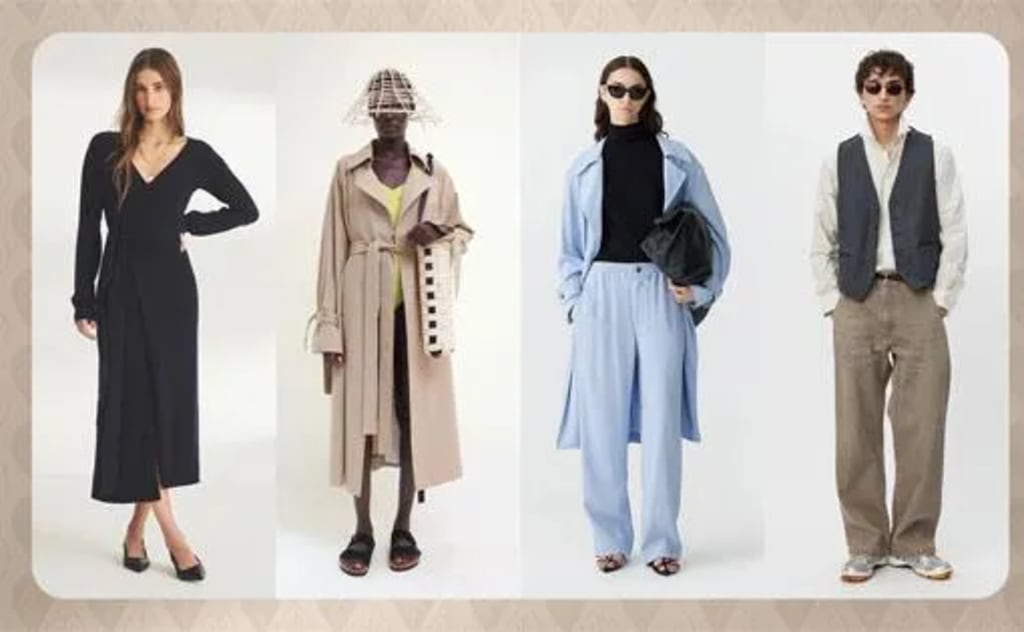
As we move further into 2025, the garment industry is standing at a unique crossroads—where technology, sustainability, and shifting consumer behaviours are converging to reshape how fashion is designed, produced, sold, and worn. Once known for fast cycles and mass production, the industry is now undergoing a significant transformation powered by cutting-edge innovations, an urgent focus on environmental and ethical responsibilities, and a forward-looking approach to the future of fashion.
This evolution is not only changing the way garments are made, but also redefining the values that underpin the entire fashion ecosystem. Here's a breakdown of the key trends and transformations defining the garment industry in 2025.
1. Smart Fabrics and Wearable Technology
2025 has seen a rise in the integration of technology into textiles, creating a new category of smart garments. These include temperature-regulating fabrics, self-cleaning materials, and health-monitoring clothing embedded with sensors. From athletic wear that tracks biometric data to smart uniforms used in healthcare and industrial sectors, functional fashion is no longer futuristic—it’s here.
Smart textiles are not only enhancing user experience but also offering data-driven insights for brands, allowing better product design and personalized customer service.
2. Artificial Intelligence (AI) in Design and Production
AI has become an essential tool across the fashion supply chain. Designers now use AI to predict trends, analyse consumer preferences, and generate innovative design prototypes. In production, AI-driven systems optimize fabric cutting, reduce material waste, and streamline inventory management.
Machine learning is also helping companies create made-to-order fashion more efficiently, reducing overproduction and enabling customization at scale—two key sustainability goals.
3. Digital Fashion and Virtual Try-Ons
With the expansion of the metaverse and augmented reality (AR), digital fashion is taking centre stage. Virtual try-ons allow customers to see how clothes fit and look without physically wearing them. This not only improves the shopping experience but significantly reduces returns—a major contributor to fashion waste.
Digital fashion, where virtual garments are worn in online environments (such as games or social media), is also creating new markets. Brands are now selling digital-only collections, opening new revenue streams while dramatically reducing material use.
4. Sustainability at the Core of Innovation
Sustainability is no longer a side conversation—it’s a central pillar of innovation. As environmental concerns reach a critical point, brands in 2025 are prioritizing low-impact materials, ethical manufacturing, and waste reduction across all stages of production.
Innovative materials like mushroom leather, seaweed yarn, recycled PET fabrics, and lab-grown cotton are replacing traditional high-impact textiles. Companies are investing in waterless dyeing technologies and carbon-neutral production facilities, while also offsetting emissions through renewable energy and reforestation programs.
5. Circular Fashion and Closed-Loop Systems
The concept of circularity is gaining widespread adoption in 2025. Instead of the traditional linear model of make-use-dispose, fashion brands are designing with circular systems in mind—where garments are repaired, resold, recycled, or composted at the end of their life cycle.
Key initiatives include:
- Take-back programs for old clothing.
- Resale platforms integrated into brand websites.
- Garment rental services for occasional wear.
- Upcycled fashion lines made from leftover or vintage fabrics.
These models help reduce textile waste and extend the life of clothing, creating a more sustainable and customer-friendly fashion ecosystem.
6. Ethical Labour and Transparent Supply Chains
Consumers are now demanding accountability not only from a sustainability standpoint but also in terms of social justice. Brands in 2025 are responding by ensuring transparent supply chains and investing in ethical labour practices.
Blockchain technology is being used to track garments from raw material to finished product, offering full visibility into where and how items are made. Certifications and digital tags allow consumers to verify that workers are paid fair wages and operate in safe, humane conditions.
Additionally, many companies are shifting toward local or regional production to reduce carbon emissions from transport and support local economies.
7. On-Demand and Localized Manufacturing
The era of mass overproduction is giving way to on-demand manufacturing. Using digital printing, 3D knitting, and automated cutting technologies, garments can now be produced closer to the consumer and only after an order is placed. This dramatically reduces waste, lowers inventory costs, and allows for a more personalized shopping experience.
Localized micro-factories are also on the rise—especially in urban areas—where brands can produce small batches of clothing with minimal environmental impact, shortening the time from design to delivery.
8. Data-Driven Personalization
In 2025, fashion is becoming more personal. With the help of AI and big data, brands are offering hyper-personalized recommendations, sizing solutions, and curated experiences. 3D body scanning technology helps provide accurate fits, reducing the need for size exchanges and improving customer satisfaction.
These insights are also used to inform product development—allowing brands to create collections that are better aligned with customer needs, ultimately reducing overproduction and increasing sell-through rates.
9. Regulation and Industry-Wide Accountability
Governments and international organizations are increasingly stepping in to regulate the environmental and social impact of fashion. In 2025, many regions have implemented stricter laws around carbon emissions, labour rights, and waste disposal.
Policies such as extended producer responsibility (EPR) require brands to manage the entire lifecycle of their products, from design to disposal. Non-compliance can result in fines or brand boycotts, giving companies a strong incentive to invest in sustainable practices.
10. Consumer Behaviour and the Conscious Shopper
Perhaps the most powerful change is coming from the consumer. Today’s fashion buyers are informed, vocal, and values-driven. They care about where their clothes come from, how they’re made, and the impact they have on people and the planet.
Social media and digital platforms have amplified consumer voices, making it easier to hold brands accountable and support those that align with their values. Transparency, sustainability, and inclusivity are no longer optional—they're expected.
Conclusion: A New Era for Fashion
The garment industry in 2025 is a vibrant, innovative, and forward-thinking space. Technology, sustainability, and consumer consciousness are working together to create a new fashion landscape—one that values ethics as much as aesthetics.
Fashion is no longer just about trends; it's about transformation. As brands continue to embrace change, adopt cutting-edge technologies, and lead with purpose, the future of fashion looks smarter, cleaner, and more inclusive than ever before.
Businesses that innovate with intention, prioritize people and the planet, and stay ahead of consumer expectations will be the ones who thrive in this exciting new era of the garment industry.
About the Creator
textilenews
publisher
Keep reading
More stories from textilenews and writers in Styled and other communities.
How AI Is Disrupting the Apparel Industry in 2025
Artificial Intelligence (AI) has become one of the most transformative forces across various industries—and the apparel sector is no exception. In 2025, the apparel industry is witnessing a dramatic shift fuelled by AI-powered innovations. From design and production to inventory management, customer experience, and sustainability, AI is changing the way clothes are imagined, created, and sold. This article delves deep into how AI is disrupting the apparel industry, offering insight into the latest trends, technologies, and transformations driving the future of fashion.
By textilenews9 months ago in Styled
Lordhair vs Lavivid: A Wearer's Take
I didn't plan on comparing brands. I just wanted to share my own experience and thoughts. The Situation By the time I started wearing a hair system, I’d already spent too much energy reading forums, watching videos, and second‑guessing myself. Every option sounded perfect until it wasn’t.
By Ryan Collins4 days ago in Styled
What to Wear to Engagement Ceremonies: Silk Salwar Suit Ideas
Engagement ceremonies are special, but they’re also slightly tricky to dress for. You want to look festive and polished, but not as heavy as you would for the wedding day itself. In 2026, many women are finding the perfect balance with silk salwar suits outfits that feel rich, graceful, and comfortable without going over the top.
By Amit Mandal4 days ago in Styled




Comments
There are no comments for this story
Be the first to respond and start the conversation.