
From Designer to Visionary Brand Strategist: Lillian Li on the Global Ascent of Chinese Fashion
Lillian Li is the co-founder of TSMLXLT and the North American helm of Laurence & Chico.

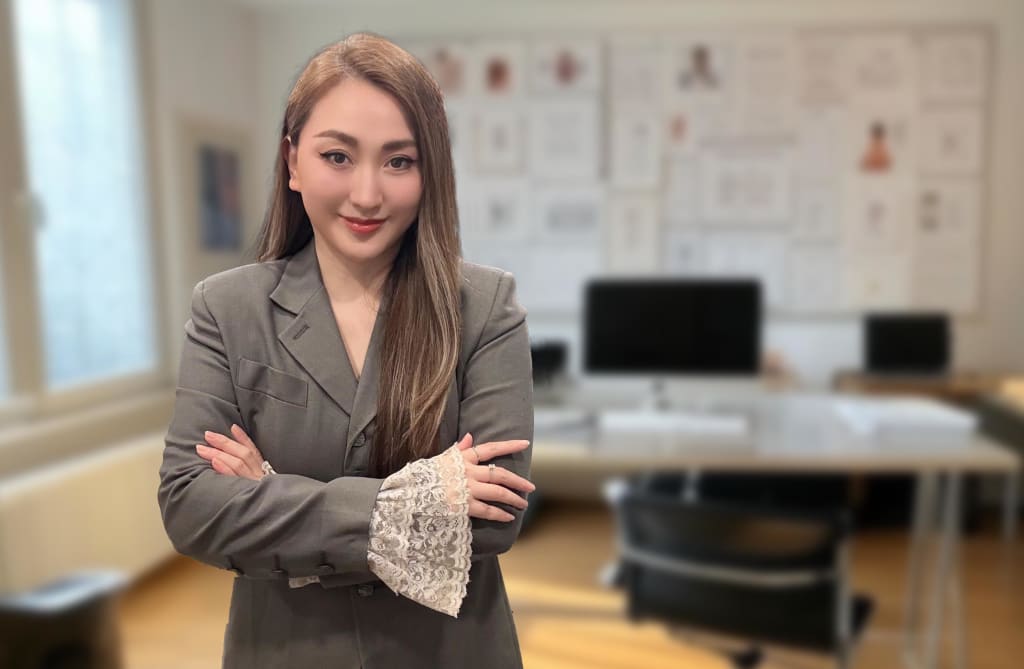
In an era where globalization has become the lifeblood of innovation, Chinese brands are stepping onto the international stage with a boldness that commands attention. No longer content to be mere manufacturers, they are redefining themselves as creators, weaving narratives that resonate with consumers worldwide. Yet, the journey to global prominence is far from seamless—it demands an intricate understanding of market nuances, a mastery of cultural resonance, and a vision that transcends borders.
Enter Lillian Li, a formidable force in the fashion world, whose career has bridged the East and West with unparalleled finesse. As the co-founder of TSMLXLT and the North American helm of Laurence & Chico, with a past role overseeing Paul Frank’s brand licensing in China for CBG, Li’s trajectory reads like a sartorial epic. From Donghua University, a top design institution in China, to Parsons School of Design, a world-class international academy, where she honed her expertise in fashion management, Li has become a beacon for Chinese brands navigating the global landscape. In this exclusive interview, we sit down with her to explore the opportunities, challenges, and future horizons of Chinese brands on the world stage.
A Golden Era: The Global Awakening of Chinese Brands
What do you see as the core opportunities for Chinese brands entering the international market?
“The past decade has been transformative for Chinese brands—their global recognition has soared. The seamless integration of supply chains and an explosion of original design have elevated us from the ‘world’s factory’ to a creative powerhouse. Today’s consumers, particularly Gen Z, crave individuality and brand ethos, which aligns perfectly with the agility Chinese brands exhibit on social media. Platforms like TikTok Shop and Instagram Shopping have become digital superhighways, offering direct access to global audiences.”
Li points to the international emergence of China’s new wave of designer brands as a particular point of pride. “From Paris to New York, these brands are rooted in Eastern aesthetics while embracing modern design languages, making them an undeniable force in the global fashion sphere,” she says. Her insight underscores a broader truth: the rise of Chinese brands is not merely an economic phenomenon but a renaissance of cultural confidence.
The Dual Challenge: Cultural Identity and Market Barriers
What are the biggest challenges Chinese brands face when going global?
“The gap in cultural identity is the foremost hurdle,” Li admits candidly. “A product can cross borders, but how does a brand’s story touch the soul of a foreign consumer? That’s a puzzle many Chinese brands are still solving.” She cites the lingering stereotype of “Made in China” as a specter that haunts even the most impeccably designed products—a challenge that demands innovative storytelling and a shift toward premium positioning to overcome.
The complexities of localized operations are equally daunting. “North American consumers are drawn to a brand’s values, while the Japanese market reveres the minutiae of craftsmanship,” she explains. “To truly integrate, brands can’t rely solely on online traction—they must plant roots, build local teams, and respond with nuance to the cultural heartbeat of each market.”
The Power of Influence: From Storytelling to Resonance
How can Chinese brands establish a foothold in the international market?
Li’s response is a masterclass in strategy. “First, tell a compelling brand story. Emotional resonance is the key to capturing hearts—whether through a modern reinterpretation of traditional culture or by addressing contemporary issues, a brand must find its voice,” she asserts. She points to Laurence & Chico as a case study: “We used dramatic silhouettes and bold visual language to carve out a space in the North American market, a success born from a deep understanding of our audience’s aesthetic desires.”
Localized marketing is equally critical. “Creating immersive content on Instagram or partnering with fashion boutiques in Europe—every move must be tailored to the local context,” she advises. Li also highlights the magic of cross-cultural collaborations: “When I managed Paul Frank, we revitalized its youthful spirit through partnerships with trendsetting brands and celebrities. That same strategy works for global expansion—collaborations with international IPs or artists can ignite instant market buzz.”
Shining Examples: Chinese Brands Making Global Waves
Can you share some success stories of Chinese brands breaking into the global market?
Without hesitation, Li points to Laurence & Chico: “In North America, our exaggerated designs and viral social media presence won over everyone from KOLs to fashion editors.” She also name-drops Shushu/Tong and Feng Chen Wang, noting, “These emerging designer brands, with their distinct identities and captivating presence on international runways, are steadily winning over global buyers and consumers. Their success lies in unwavering originality paired with strategic international promotion.”
The Future Frontier: A New Chapter for Chinese Brands
What’s your vision for the future of Chinese brands on the global stage?
Li’s gaze turns toward the horizon. “High-end fashion and designer brands will lead the charge, with the creativity of the younger generation reshaping global aesthetics,” she predicts. “The rise of Web3 and the metaverse is also unmissable—digital fashion and NFTs will become new frontiers for Chinese brands. And sustainability is non-negotiable. From traceable supply chains to eco-friendly materials, the brands that respond to global consumers’ green expectations will rise above the competition.”
Closing Thoughts: A Chinese Fashion Voice That Transcends Borders
From the cutting tables of Donghua University to the strategy rooms of Parsons, and now steering brands toward international acclaim, Lillian Li has added vibrant strokes to the global narrative of Chinese fashion. She is not just a manager but a witness and a catalyst, guiding Chinese brands from merely “going global” to truly shining on the world stage. In her vision, Chinese brands are wielding design as their brush and culture as their ink, painting a bold new chapter on the canvas of global fashion.
About the Creator
Oliver Jones Jr.
Oliver Jones Jr. is a journalist with a keen interest in the dynamic worlds of technology, business, and entrepreneurship.
Keep reading
More stories from Oliver Jones Jr. and writers in Styled and other communities.
An Exclusive Interview with Karthik Venkatesh and the State of Cloud Security and DevSecOps
Few people have had as much influence as Karthik Venkatesh Ratnam in the fast-changing scene of cloud computing and cybersecurity. Karthik has been leading the way in including security in cloud infrastructures and DevSecOps methods, with a career spanning more than eight years. This exclusive interview covers his academic contributions, honors, and future insights about cloud security.
By Oliver Jones Jr.10 months ago in Interview
Lordhair vs Lavivid: A Wearer's Take
I didn't plan on comparing brands. I just wanted to share my own experience and thoughts. The Situation By the time I started wearing a hair system, I’d already spent too much energy reading forums, watching videos, and second‑guessing myself. Every option sounded perfect until it wasn’t.
By Ryan Collins4 days ago in Styled
What to Wear to Engagement Ceremonies: Silk Salwar Suit Ideas
Engagement ceremonies are special, but they’re also slightly tricky to dress for. You want to look festive and polished, but not as heavy as you would for the wedding day itself. In 2026, many women are finding the perfect balance with silk salwar suits outfits that feel rich, graceful, and comfortable without going over the top.
By Amit Mandal4 days ago in Styled


Comments
There are no comments for this story
Be the first to respond and start the conversation.