
An Exclusive Interview with Karthik Venkatesh and the State of Cloud Security and DevSecOps
Karthik Venkatesh is an award-winning public cloud engineer.

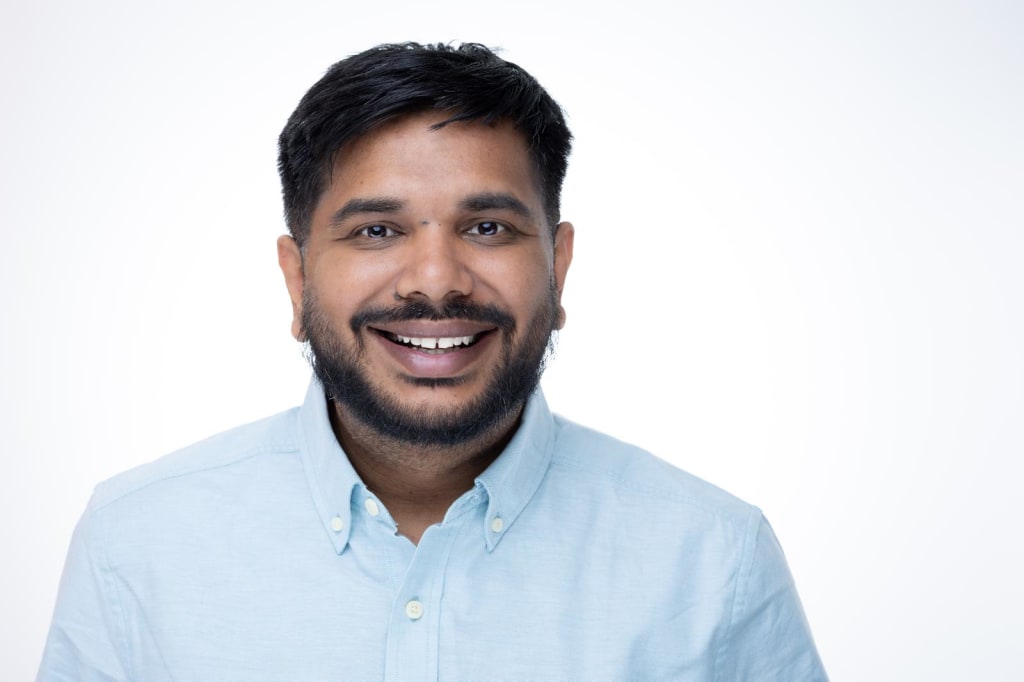
Few people have had as much influence as Karthik Venkatesh Ratnam in the fast-changing scene of cloud computing and cybersecurity. Karthik has been leading the way in including security in cloud infrastructures and DevSecOps methods, with a career spanning more than eight years. This exclusive interview covers his academic contributions, honors, and future insights about cloud security.
Q: Karthik, your work has greatly shaped DevSecOps methods and cloud security. Could you explain what drives your emphasis on these subjects?
Karthik: Of course. Cloud computing's rise has changed how companies run by providing scalability and flexibility. But this change brings difficult security issues as well. The core of DevSecOps is the need to tackle these issues by including strong security policies straight into the development and operational processes; thus, my drive comes from the necessity to do so.
Q: "An Analysis of Multi-Cloud Implementation Strategies and Their Impact on Enterprise Computing: Current Practices and Future Trends" is among your most remarkable works. What are the key takeaways from that research?
Karthik: That paper examined how enterprises leverage multi-cloud strategies to improve agility and innovation. Our research showed that comprehensive multi-cloud adoption could increase corporate agility by 47% and innovation capacity by 39%. Additionally, we noted growing momentum toward hybrid edge-cloud architectures, with projected edge computing adoption in multi-cloud environments expected to rise by 43% annually.
Q: Your article on “The Role of Artificial Intelligence in Cloud Security: Reducing False Positives in Threat Detection and Response” has gained attention. How do you see AI transforming cloud security?
Karthik: Artificial intelligence has the potential to revolutionize cloud security by enabling automated threat detection and response. Traditional systems often generate high false positives, which leads to alert fatigue. AI helps us build systems that more accurately distinguish between real threats and benign activity, improving response times and reducing the burden on security teams.
Q: You also explored “Multi-Tenant Data Isolation Techniques in Public Clouds.” What challenges do multi-tenant systems pose, and how can they be addressed?
Karthik: Multi-tenant environments—where multiple clients share the same infrastructure—pose unique challenges around data separation and unauthorized access. Our study analyzed isolation techniques and emphasized the importance of strong access controls, encryption, and continuous monitoring to maintain effective tenant boundaries.
Q: Congratulations on receiving the 2025 Cybersecurity Excellence Award for “Cybersecurity Vulnerability Management Professional of the Year.” What does this recognition mean to you?
Karthik: Thank you. Receiving that award is a meaningful acknowledgment of the effort my team and I have invested in advancing vulnerability management practices. It reinforces our commitment to improving cybersecurity frameworks and motivates us to continue innovating in the field.
Q: You also won two Gold Awards at the 2025 Noble Business Awards—Outstanding Cloud Infrastructure and Platform Services and Customer Service - Government. Can you share what these honors represent for you?
Karthik: These awards reflect the real-world impact of the cloud infrastructure strategies we've implemented, especially in public sector projects where uptime, security, and service delivery are critical. It's a privilege to be recognized for efforts that serve both innovation and public trust.
Q: You were also a finalist for the 2025 Cyber Outstanding Security Performance Awards (OSPAs). How do these accolades influence your career?
Karthik: Being named a finalist for the Cyber OSPAs highlights the impact of our contributions to the cybersecurity community. These recognitions provide a platform to share findings with a broader audience and foster collaborations that can drive further innovation.
Q: You contributed a pivotal chapter to the book “Data Governance in DevSecOps: Advancements and Modern Challenges.” Could you explain the key ideas you explored in Chapter 12?
Karthik: Chapter 12 focused on embedding data governance strategies into DevSecOps pipelines—particularly for AI-enabled systems. I explored compliance frameworks, policy enforcement, and governance models that ensure accountability in dynamic cloud environments. The objective was to demonstrate how development speed and regulatory compliance can coexist through structured, automated processes.
Q: You’ve also published an important paper titled “Adaptive Security Frameworks for Hybrid Cloud Environments” in the International Journal of Cloud Computing (IJCC). Could you elaborate on that?
Karthik: That paper proposes a model for adaptive security that scales with hybrid cloud environments, considering real-time threat intelligence and shifting workloads. It was crucial to design a framework flexible enough for dynamic resource allocation, yet robust enough for enterprise-grade protection.
Q: Your work “Building Resilience with Disaster Recovery in the Cloud” offers valuable insights. What steps should organizations take to strengthen their cloud-based disaster recovery strategies?
Karthik: Organizations can enhance disaster recovery by using cloud-native capabilities like geo-redundant storage, automated failover systems, and routine testing. Prioritizing automation and real-time monitoring ensures quick recovery and minimal downtime during disruptions.
Q: Looking ahead, what trends do you foresee in DevSecOps and cloud security?
Karthik: I anticipate increased integration of AI and machine learning for proactive threat detection, broader adoption of zero-trust architectures, and the continuous evolution of compliance frameworks to support emerging technologies. Consistent security enforcement across hybrid and multi-cloud environments will also remain a critical focus.
Q: Finally, what advice would you give to aspiring professionals interested in DevSecOps and cloud security?
Karthik: Stay curious and committed to lifelong learning. These fields evolve rapidly, with constant technological shifts and new challenges. A strong foundation in development and security principles, staying updated with trends, and active participation in the professional community are key to long-term success.
Karthik Venkatesh Ratnam’s leadership in DevSecOps and cloud security continues to influence industry practices and inspire future professionals. His dedication to research, innovation, and excellence emphasizes the critical importance of integrating security into every layer of cloud computing.
About the Creator
Oliver Jones Jr.
Oliver Jones Jr. is a journalist with a keen interest in the dynamic worlds of technology, business, and entrepreneurship.
Keep reading
More stories from Oliver Jones Jr. and writers in Interview and other communities.
Behind the Scenes: Sebastian Olaya on Producing Gilanares’ Latest New Album, released through Neon Gold
Meet Sebastian Olaya, the production mastermind behind Gilanares’ latest upcoming album, Your Brain is in the Sink ________________________________________
By Oliver Jones Jr.about a year ago in Interview
Part 2 Interview With Joe Patterson, Author Of Melanin Memoirs
This is my second interview with Joe Patterson. His 4th anniversary writing on Vocal will be in March 2026. He has one achievement on Vocal, The Other Foot. He has over 17,000 reads on Vocal since he started on Vocal in 2022. Joe Patterson is very creative poet and rapper. Joe is deep thinker and I feel it is reflected in his latest published book, Melanin Memoirs.
By Mariann Carroll23 days ago in Interview




Comments
There are no comments for this story
Be the first to respond and start the conversation.