
Festival Glam Choosing the Right Lehenga Choli for Navratri, Diwali & Eid
This blog talks about choosing the perfect lehenga choli according to the festivals like Diwali, Navratri and EID.
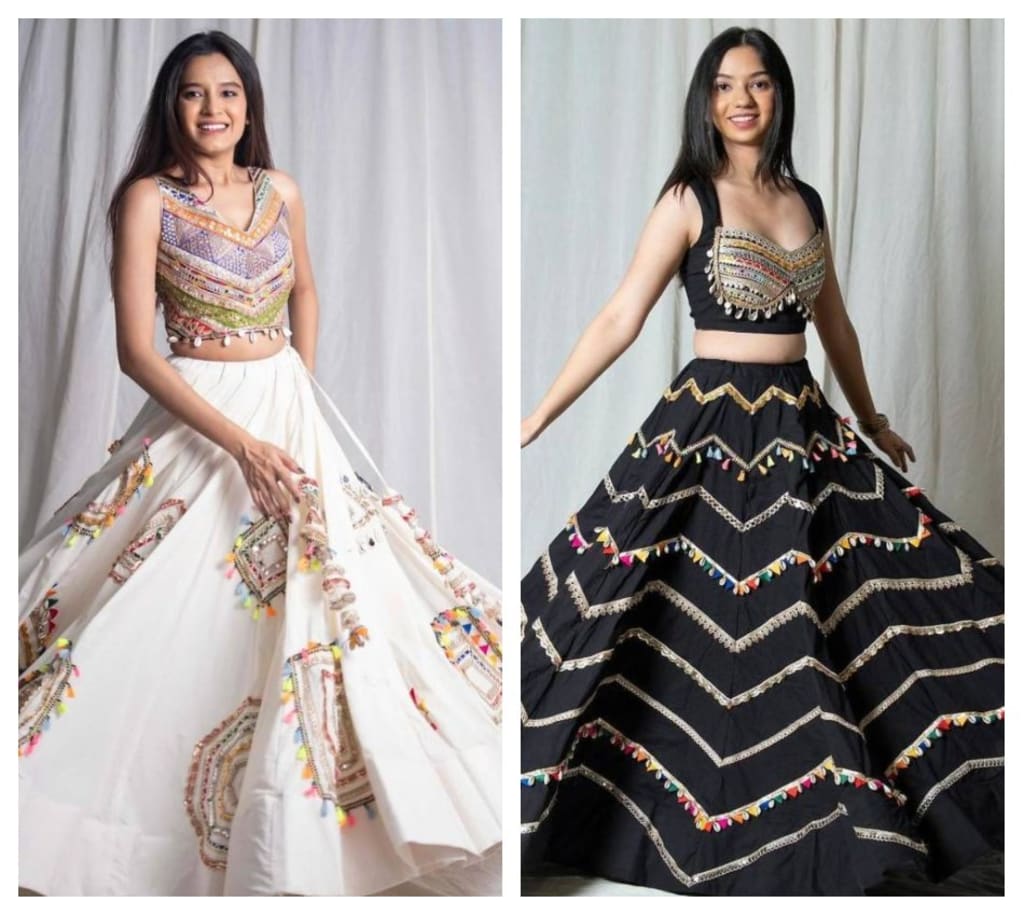
There are plenty of reasons festivals in India are all about celebration, family, gratitude and happiness. Aside from sweets, lights, traditions, and joy, there is one more thing that makes every festival way more special – ethnic wear and dressing up in it. Of all the variety of traditional clothing, the lehenga choli is favored by women of all ages like no other. A lehenga choli is elegant, comfortable, and full of festive vibes, which is why it is a perfect outfit of choice for occasions like Navratri, Diwali and Eid.
So, how do you select the perfect lehenga choli for each festival Here are some straightforward tips to ensure you're set to shine at every occasion!
Lehenga Choli for Navratri Colorful & Dance-Friendly
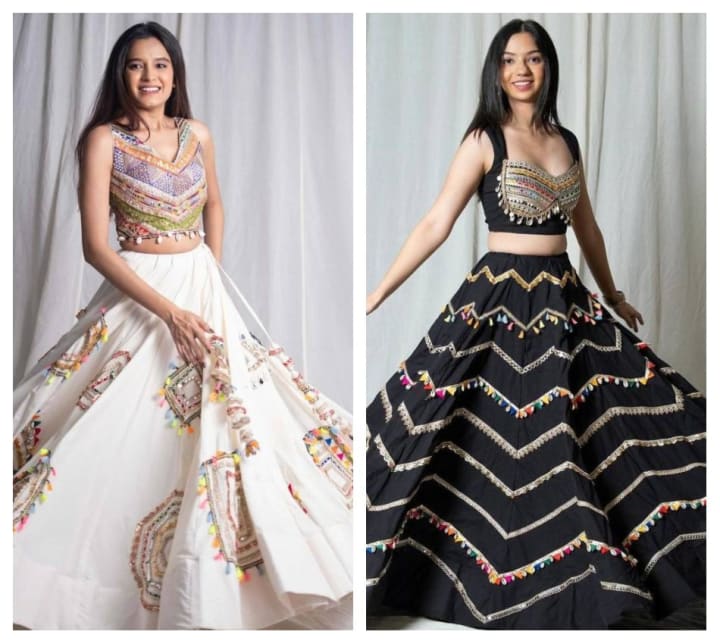
Navratri is all about dancing, music, and devotion. Lehenga dresses come in many styles to suit every Navratri celebration From Garba nights to Dandiya nights, your lehenga can be more than just a costume - it can be part of the fun!
Vibrant Colors: Navratri is not Navratri without bold colors like yellow, red, blue, green, and orange. Each day of Navratri has its unique color, and you can really embody them by wearing lehengas in these colors.
Lightweight Fabrics: You are going to be dancing, potentially for hours. For the best comfort, go for a cotton, georgette or silk-blend lehenga that will be lightweight and breathable.
Mirror Work & Embroidery: Traditional Gujarati and Rajasthani lehengas are iconic for Navratri, particularly those with mirror work and thread embroidery. You will truly reflect the light, as you dance and twirl around the stage.
Easy-to-Move Silhouette: Don’t choose a skirt that is heavy and stiff. Go for a flared lehenga, that will allow you to move freely while dancing.
As a tip: Wear your Navratri lehenga with oxidized jewelry, jhumkas, bangles, and a bindi to complete the festive look.
Lehenga Choli for Diwali Elegant & Glamorous
Diwali meaning 'row of lamps' is also known as the festival of light, so your outfit should shine as bright as the diyas. Diwali often involves family gatherings, puja, and intense card parties, making comfort, tradition, and style important.
Rich Fabrics: Materials like silk, brocade, velvet, and satin are perfect. These look festive and luxurious.
Festive Colors: Red, maroon, royal blue, emerald green and golden are stellar color choices to wear during Diwali.
Embellishments: Zari (thread), sequins, beads, and stone work will give your lehenga that touch of sparkle to match the festive spirit of the lights.
Comfort Factor: Since Diwali is filled with busy activities such as meeting family, doing rituals, and more eating sweets, you can avoid too heavy lehengas. Think semi-heavy designs that look festive, but are easy to carry.
Pro Tip: Style your Diwali lehenga with either some gold jewelry or trendy & modern statement pieces. Glam up the look with a smooth and sleek hairstyle, and bold makeup to instantly look seem glamorous.
Lehenga Choli for Eid Graceful & Modest
Eid is a festival of joy, gratitude, and togetherness. The best outfits for Eid are graceful, modest, and charming.
Soft & Elegant Colors: Pastel colors like mint green, baby pink, lavender, and beige look gorgeous in daytime Eid events. In the evening, jewel tones like emerald, burgundy, and navy are suitable.
Fabrics with Movement: Flowing fabrics like chiffon, silk, net, and satin bring fluidity and elegance to the outfit.
Embroidered Details: Embroidered items such as thread work, resham embroidery, zari, and pearls can create an rich look while remaining subdued.
Dupatta Styles: A dupatta should be draped gracefully over the head or shoulders, which adds a modest touch. Layered dupattas create a royal look.
Tip: For a soft and traditional look, wear a juttis with your Eid lehenga and chandbali earrings, and go for a very subtle make-up look.
About the Creator
Keep reading
More stories from Samir Nair and writers in Styled and other communities.
The Science of Lehenga: Which Shapes Suits Which Body Type?
Wedding season, festive season, party season, lehenga season! A lehenga choli is not just a festive outfit, it is a style, traditional and personal statement. While getting your dress made there are a few things to pay attention to in order to look fabulous in a lehenga, not just the embroidery or fabric, but the silhouette! With the correct silhouette, any shape or cut of lehenga will enhance your best features while balancing your proportions!
By Samir Nair5 months ago in Styled
A Smart Choice for Your Wedding Hair
A Great Wedding Hair Choice: Human Crochet Hair Extensions. For many Black women, picking wedding hair is very important. You want to look and feel amazing. Human crochet hair extensions are a strong option. They are not like full wigs you just put on. Instead, a stylist uses a small hook. They attach real human hair pieces to your own braided hair. This makes a style that is part of you. It looks very natural and fits you perfectly.
By manman zhai2 days ago in Styled
Affection and Healing for Yourself
During the night of the last quarter moon, I gathered my ritual supplies. I carefully handled the chunk of black tourmaline that would protect me from your overall negative and narcissistic energy. I carefully walked the house with my stick of selenite in hand, asking the universe to cleanse our working space.
By Alisha Wilkins ✒️🦋🖋️a day ago in Fiction


Comments
There are no comments for this story
Be the first to respond and start the conversation.