
Fashion Trends of 2025: Embracing Individuality, Sustainability, and Innovation
Fashion Trends of 2025
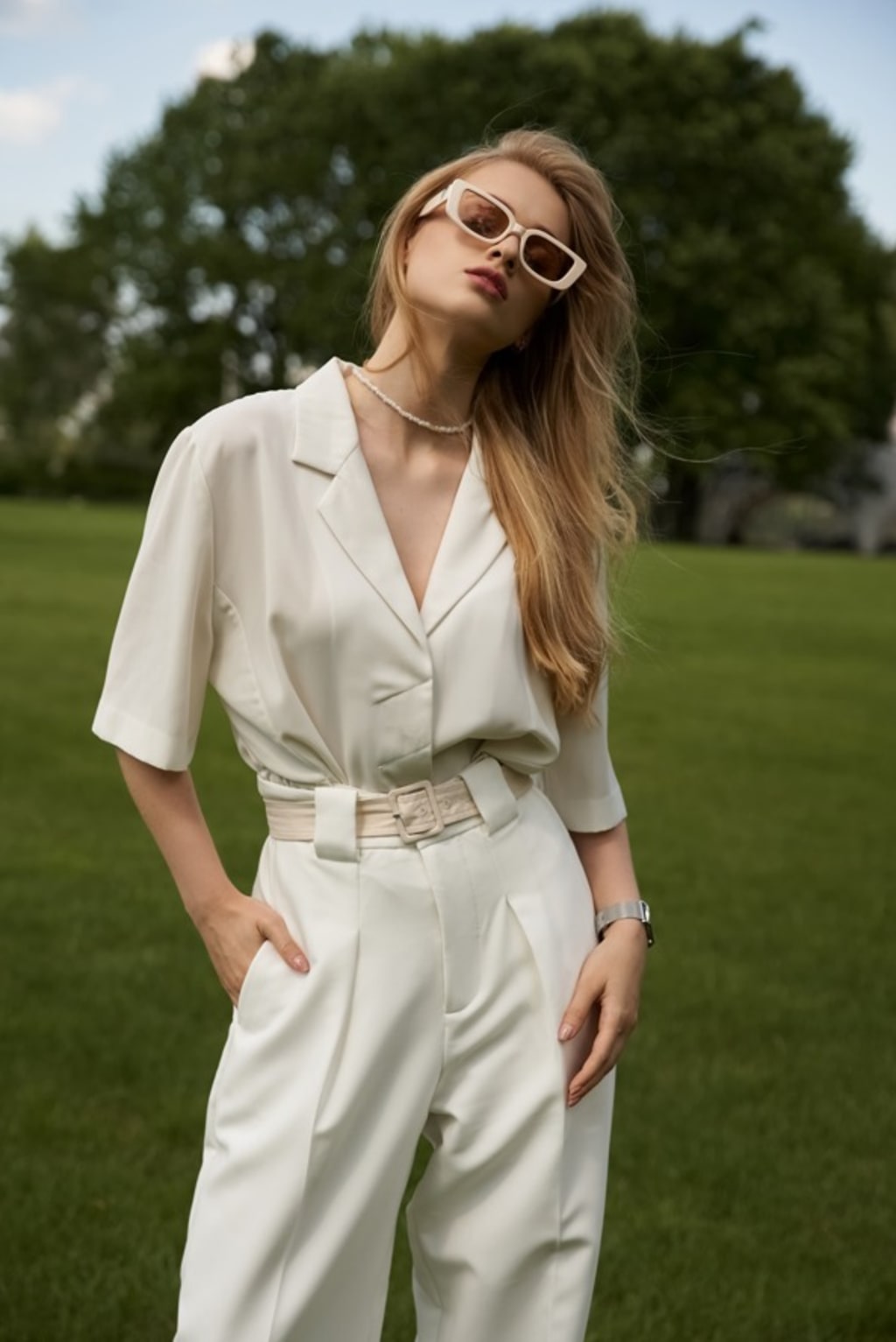
Fashion in 2025 is no longer just about following trends—it's about making statements, embracing individuality, and prioritizing sustainability without sacrificing style. As technology merges seamlessly with daily life and societal values shift toward conscious consumption, fashion trends reflect a thoughtful blend of creativity, purpose, and practicality. Whether it’s a personalized custom bag or clothing that adapts to the wearer’s lifestyle, 2025 fashion is more dynamic and personal than ever.
Personalized Fashion Takes Center Stage
The shift toward personalization in fashion has transformed wardrobes around the world. In 2025, people don't just buy clothes—they actively participate in their creation. Brands have recognized the appeal of uniqueness, resulting in customized garments and accessories becoming everyday essentials. One particularly popular trend is custom bags, which have grown beyond monogramming to include choices in materials, styles, and detailed designs that reflect the owner’s personality. From sustainable canvas tote bags customized with artwork or meaningful quotes to elegant leather bags designed precisely to a customer’s specifications, personalized bags now serve as subtle yet powerful expressions of identity.
Sustainability Becomes the Norm
Sustainability is no longer optional but expected in 2025. Consumers now prioritize quality and durability over fast fashion’s fleeting allure, opting for clothing designed to last. Fashion brands, driven by consumer demands, focus heavily on sourcing eco-friendly materials and transparent supply chains. Organic cotton, bamboo fibers, recycled fabrics, and innovative textiles derived from mushroom leather or cactus-based materials are trending strongly. Ethical sourcing and transparent manufacturing have also become essential brand attributes, with labels clearly detailing their environmental impact, reinforcing accountability, and cultivating consumer trust.
Upcycling and vintage clothing continue gaining popularity, not just for their sustainability benefits but for their unique aesthetics and stories. Thrifted, vintage items paired with contemporary staples define a style that feels both nostalgic and refreshingly modern.
Technological Innovation Enhances Fashion
Technology continues reshaping the fashion landscape in profound ways. In 2025, fashion tech is practical and commonplace. Smart fabrics have evolved significantly—garments now seamlessly integrate technologies that adjust warmth or cooling based on weather, measure biometric data for health monitoring, and even adapt their colors or patterns through digital interfaces. Augmented reality (AR) dressing rooms make online shopping experiences more satisfying, letting customers virtually try on clothes from the comfort of their homes, dramatically reducing return rates and enhancing customer satisfaction.
Moreover, AI-driven fashion forecasting has become exceptionally precise, enabling designers and retailers to anticipate consumer preferences with impressive accuracy, reducing waste from unsold inventory and allowing for leaner, smarter production cycles.
Inclusive Fashion Gains Momentum
Inclusivity in fashion has finally gained meaningful traction. In 2025, size ranges have broadened significantly, making stylish clothing genuinely accessible to all body types and abilities. Representation across advertising campaigns and runways has expanded, celebrating diversity authentically rather than tokenistically. Brands prioritize designs that accommodate different bodies and lifestyles, creating clothes that are adaptable, comfortable, and flattering for everyone. Adaptive clothing—garments designed specifically for people with disabilities—has moved mainstream, highlighting the industry's genuine commitment to accessibility.
Return to Minimalism with a Twist
While individuality and expression dominate fashion, there's also a noticeable swing back toward minimalist aesthetics—albeit with a modern spin. In 2025, wardrobes are more carefully curated, versatile, and timeless, featuring neutral color palettes enhanced with strategic pops of color or texture. Clean lines and simple yet thoughtfully detailed designs are favored. The focus is on clothes that effortlessly transition between occasions, allowing consumers to do more with less, making fashion choices simpler yet more impactful.
Fashion as Expression of Values
Fashion in 2025 has become deeply intertwined with personal and societal values. Consumers now expect brands to take stands on social, environmental, and ethical issues. Clothing becomes more than just apparel; it’s a means of advocacy and expression. Brands embracing authenticity, transparency, and meaningful community engagement thrive in this climate, reflecting broader social movements and the increasing awareness of interconnected global challenges.
Fashion is no longer just a visual or aesthetic choice but a thoughtful, value-driven decision that aligns deeply with the wearer's personal beliefs and lifestyle.
The Future Looks Personal, Sustainable, and Smart
Fashion in 2025 represents a notable shift toward greater consciousness, personalization, and innovation. Customization, exemplified in popular choices such as tailored bags and personalized clothing, highlights the broader trend toward celebrating individuality. Sustainability, now deeply embedded into consumer consciousness, shapes every aspect from fabric choices to manufacturing practices. Technological integration ensures practicality meets creativity, reshaping how fashion interacts with daily life. Inclusivity and adaptability reflect social progress, while minimalism captures timeless elegance updated for contemporary lifestyles.
As these trends evolve, fashion serves not just as adornment but as a compelling reflection of identity, ethics, and individuality, promising a vibrant, thoughtful, and increasingly meaningful future.
About the Creator
Keep reading
More stories from Noreanopen and writers in Styled and other communities.
Exploring the Allure of Cruising: A Journey into the World of Luxury Travel
The world of travel is filled with countless experiences, but cruising stands out as a unique, all-encompassing adventure that offers something special for everyone. From breathtaking ocean views to a wide range of activities and world-class dining, cruising has become a popular choice for vacationers seeking luxury, convenience, and the thrill of exploring multiple destinations in one seamless trip. This article dives into the vibrant and diverse category of cruising, offering a glimpse into what makes it a top-tier vacation option.
By Noreanopen10 months ago in Earth
Lordhair vs Lavivid: A Wearer's Take
I didn't plan on comparing brands. I just wanted to share my own experience and thoughts. The Situation By the time I started wearing a hair system, I’d already spent too much energy reading forums, watching videos, and second‑guessing myself. Every option sounded perfect until it wasn’t.
By Ryan Collins3 days ago in Styled


Comments
There are no comments for this story
Be the first to respond and start the conversation.