
Fashion as Unspoken PR: How Style Shapes Perception in High-Stakes Moments.
From Rihanna’s Courtroom Elegance to Political Power Dressing, Fashion is a Strategic Tool of Influence.

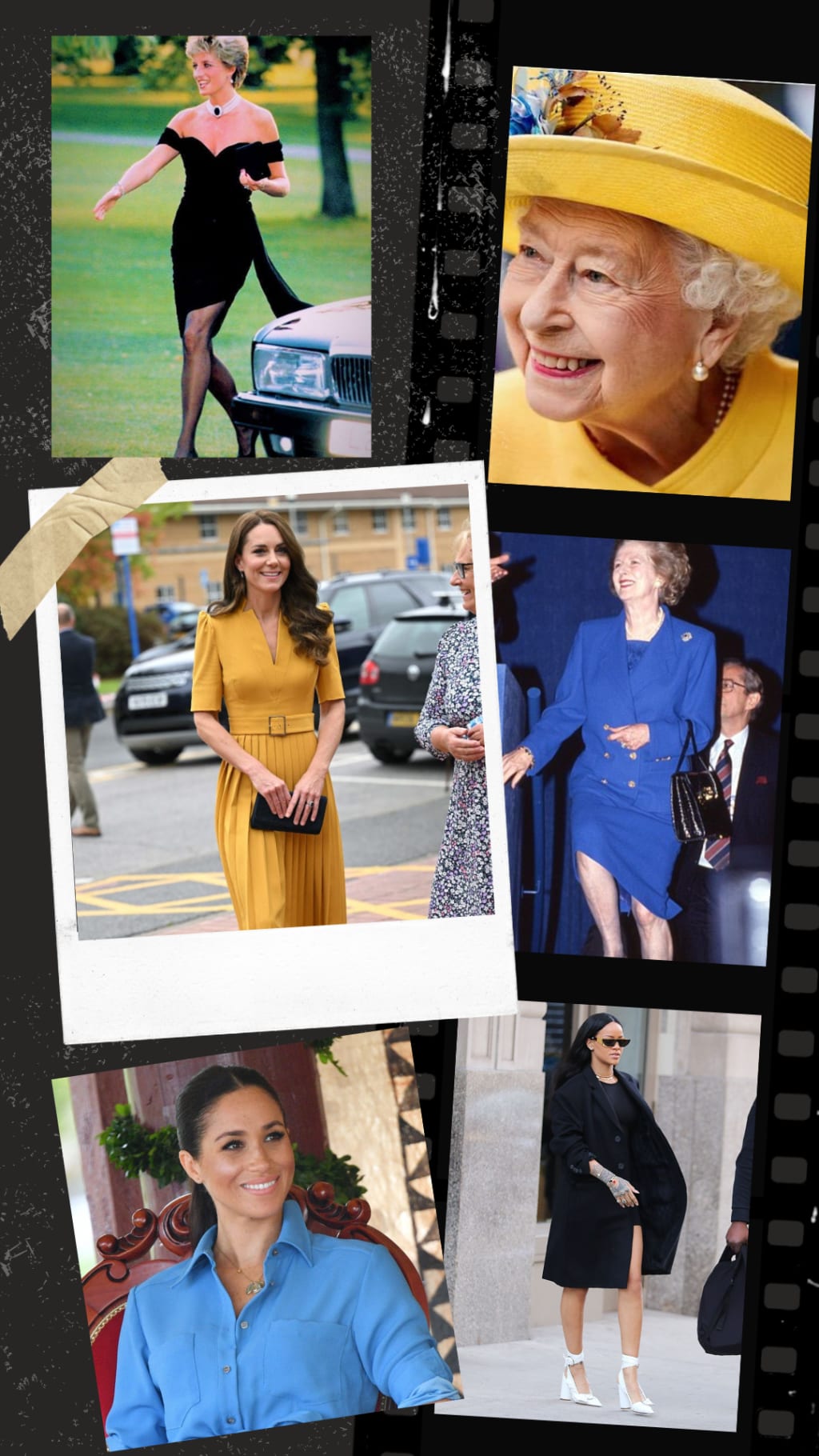
Fashion isn't just about looking good—it's a form of silent communication. Whether in politics, business, entertainment, or royalty, what someone wears can project confidence, reinforce tradition, or signal transformation. From power suits in boardrooms to carefully chosen gowns on the red carpet, clothing plays a crucial role in shaping public perception.
Some of the most high-profile women in the world have mastered this unspoken PR strategy; Queen Elizabeth II ,Princess Catherine, Margaret Thatcher, Meghan Markle, Rihanna and others have all used fashion to their advantage, proving that style is never just about personal taste—it's about influence.
1. Margaret Thatcher – The Original Power Suit Icon.
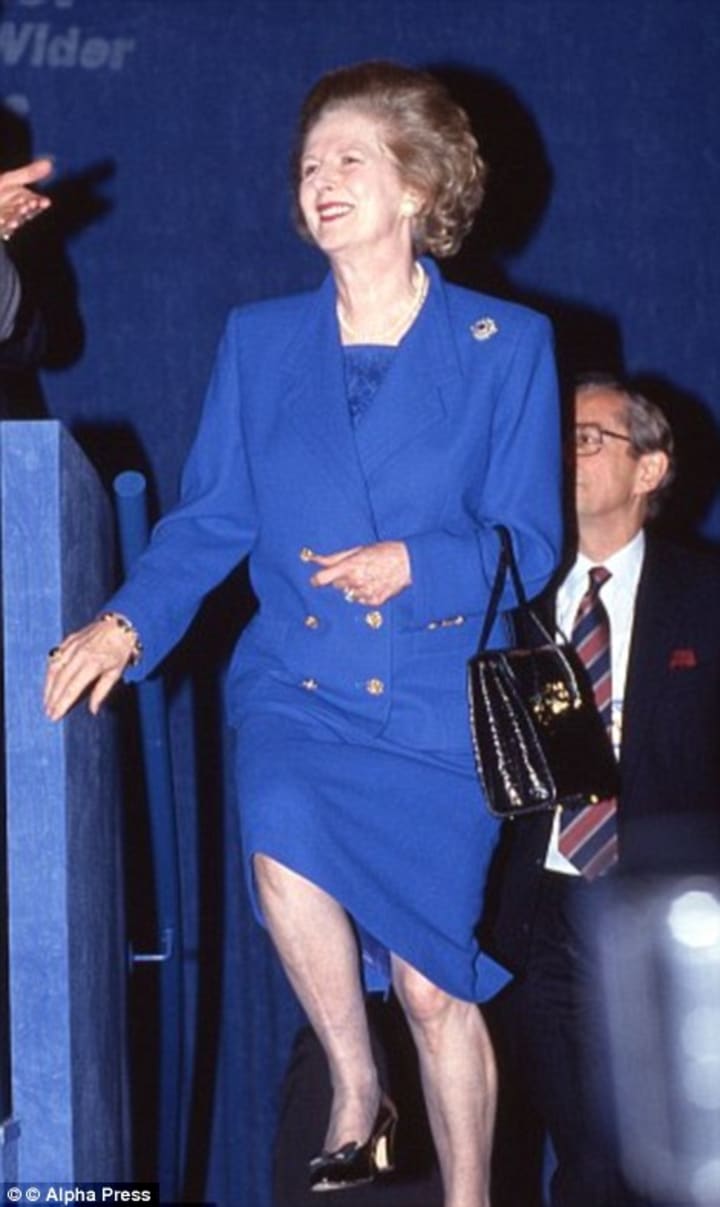
Margaret Thatcher, Britain's first female prime minister, understood the power of fashion long before it became a mainstream PR tool. She was rarely seen without her structured suits, pearls, and signature handbag.
Her style wasn't about following trends; it was about reinforcing authority in a male-dominated world. The "Iron Lady" look—sharp tailoring, bold colors, and polished accessories—helped her command respect. Even today, the power suit remains a staple for women in leadership, proving that Thatcher's influence on fashion—and perception—still holds strong.
2. Princess Catherine – Classic, Approachable Royalty.
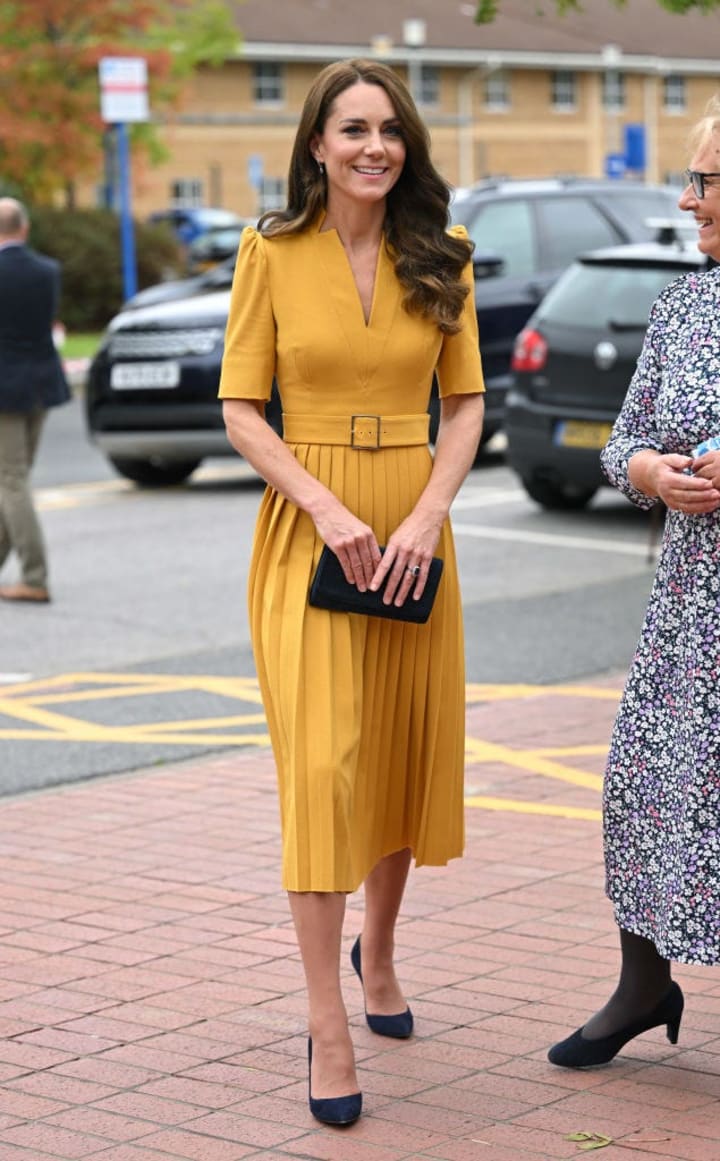
Timeless and Relatable: A Balanced Approach.
Catherine has perfected the art of balancing royal elegance with accessibility. One day, she's in a stunning Alexander McQueen gown at a state dinner; the next, she's in a Zara blazer at a charity event. This mix makes her both aspirational and relatable, solidifying her role as a modern, approachable royal.
As she moves closer to becoming queen, Catherine's style has evolved. Her wardrobe is now more structured, polished, and regal, featuring tailored coats, elegant dresses, and classic silhouettes. While she remains relatable, her refined aesthetic aligns with her growing responsibilities and the expectations of her position.
Like Queen Elizabeth II before her, Catherine uses fashion to send diplomatic and cultural messages. During royal tours, she frequently honors host countries by wearing their national colors or local designers. This subtle fashion diplomacy reinforces goodwill and strengthens relationships—all without saying a word.
3. Rihanna – Fashion as Fearless Expression.
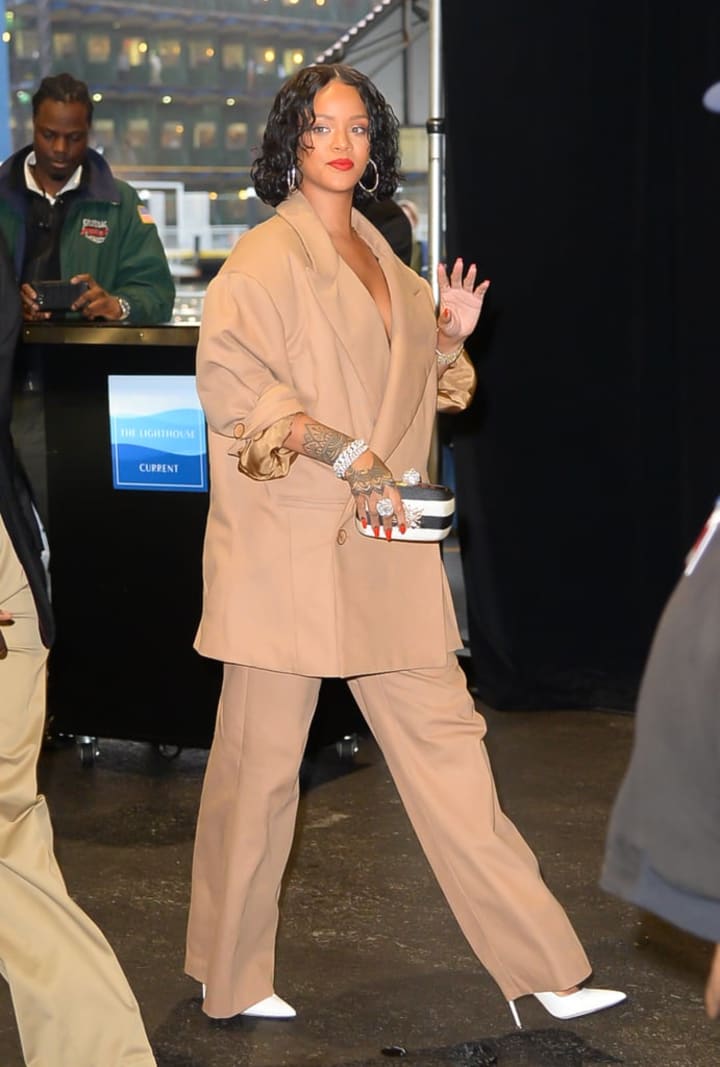
In early 2025, Rihanna's unwavering support for her partner, A$AP Rocky, during his high-profile trial showcased her strategic use of fashion in high-stakes moments. Her courtroom appearances were marked by ensembles that balanced elegance with subtlety, projecting solidarity and strength. This approach not only conveyed her personal support but also influenced public perception during a critical time.
Rihanna has redefined what power dressing looks like in the entertainment world. Whether she's in a dramatic Met Gala ensemble or a sleek courtroom outfit, she uses fashion to take control of her narrative.
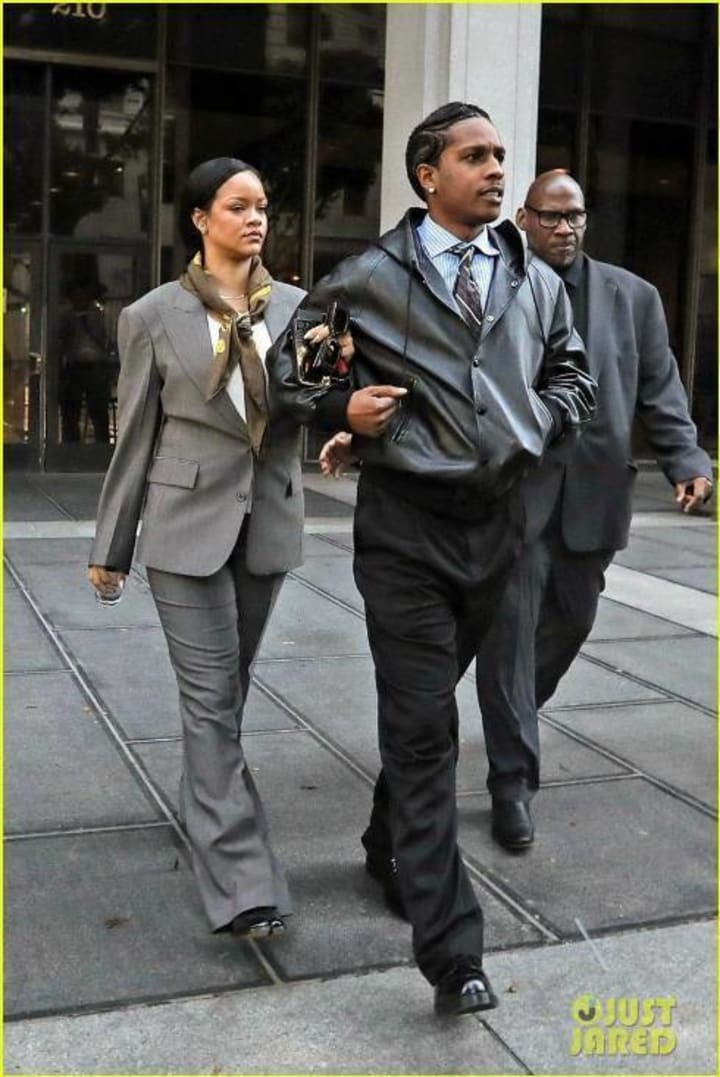
Her 2025 courtroom appearances were a masterclass in using fashion to project strength. By choosing ensembles that balanced elegance with subtlety, she stripped away distractions and signaled her unwavering support during a critical time. Whether on stage, in business meetings, or supporting her loved ones, Rihanna's fashion choices always make a statement: she is in control.
4. Meghan Markle – Minimalism and Power Dressing.
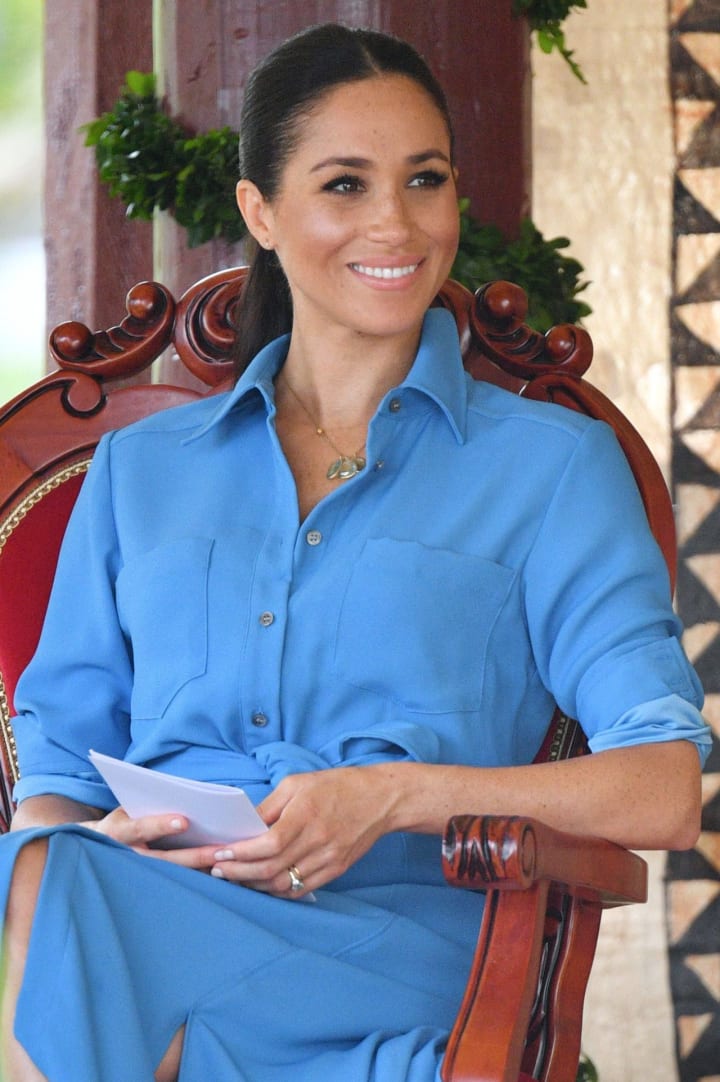
Understated Neutrals: Elegance in Simplicity.
Meghan is known for her love of neutral tones—beige, camel, navy, and white. This minimalist aesthetic isn't just a fashion choice; it's a statement. Neutral colors project sophistication, restraint, and an emphasis on substance over excess. Her preference for clean silhouettes and timeless tailoring ensures she looks polished without overshadowing the moment.
Even within royal constraints, Meghan used fashion to champion causes she cares about. She often chose sustainable brands, women-led businesses, and ethical designers. A great example? The black Armani dress she wore during her Oprah interview, featuring a lotus flower motif—a symbol of resilience and rebirth. It wasn't just a dress; it was a message.
Since stepping back from royal duties, Meghan's style has shifted to reflect her new chapter. Gone are the modest tights and fascinators; in their place, we see sleek power suits, tailored coats, and bold monochromatic outfits. Her fashion choices now blend Hollywood glamour with modern activism, reinforcing her image as an independent global advocate.
5. Queen Elizabeth II – The Master of Visual Messaging.
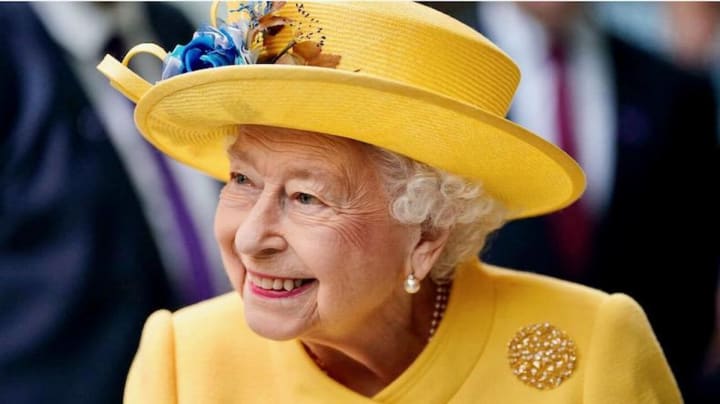
Bright Colors and Signature Style
For over 70 years, Queen Elizabeth II set the standard for using fashion as a tool of communication. Her brightly colored outfits weren’t just a personal preference—they were a strategic choice. In a crowd of thousands, she needed to be visible. As she famously said, "I have to be seen to be believed."
Her wardrobe was a masterclass in consistency. From her signature block-colored coats to her matching hats and gloves, everything about her look reinforced stability and tradition.
The Queen’s fashion choices extended far beyond aesthetics—they carried deep symbolic meaning. During diplomatic visits, she frequently honored host nations by incorporating their national colors, textiles, or designers into her outfits. These thoughtful choices strengthened relationships and showed respect without the need for words.
Her iconic pearl necklaces, brooches, and handbags weren’t just accessories—they were statements of elegance, discipline, and leadership. Queen Elizabeth’s fashion legacy is one of tradition, strategy, and quiet influence.
6. Princess Diana – The Art of Fashion Storytelling
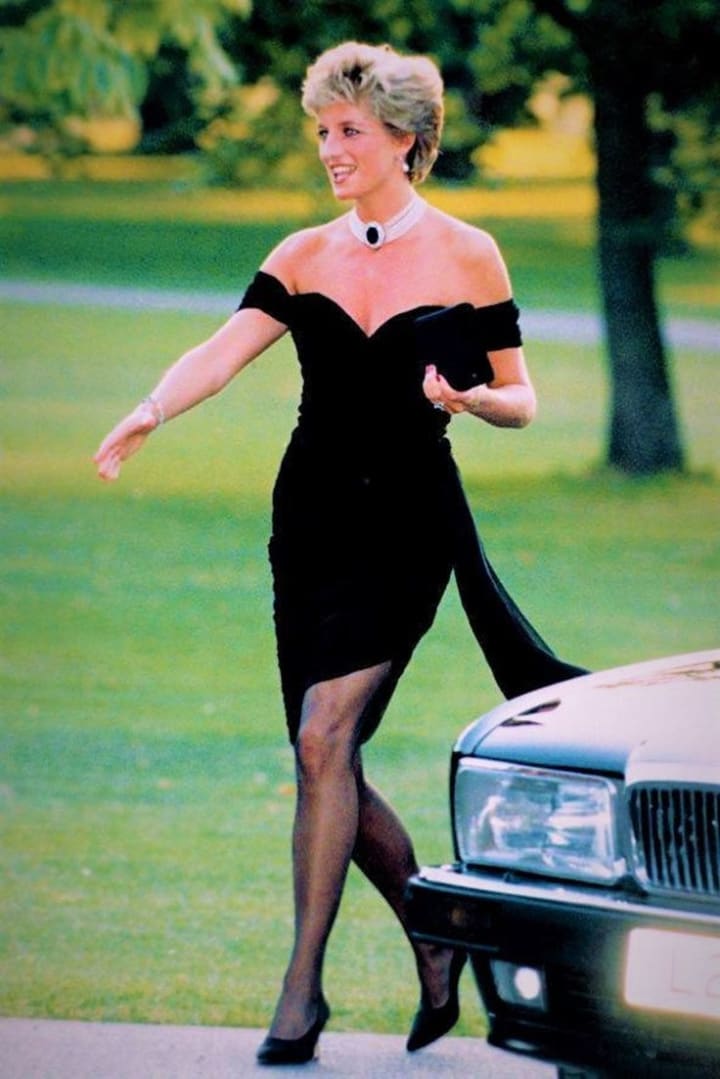
Princess Diana was more than a style icon—she used fashion to craft her personal narrative. Whether stepping into her royal duties or reclaiming her independence, her wardrobe choices spoke volumes.
One of the most unforgettable moments in fashion history was Diana’s 1994 "Revenge Dress." On the same night Prince Charles publicly admitted to infidelity, Diana arrived at a gala in a stunning off-the-shoulder black dress by Christina Stambolian. It was daring, elegant, and unapologetic—a statement that she was moving forward on her own terms.
As Diana transitioned from a royal wife to a humanitarian icon, her wardrobe evolved. She swapped tiaras for chic, effortless pieces that reflected her warmth and relatability. Whether visiting AIDS patients in simple jeans and a blazer or attending a state dinner in a glamorous gown, she used fashion to balance accessibility and elegance.
Diana’s ability to control her image through fashion set the stage for future royal women, proving that what you wear can redefine your public identity.
Celebrating Fashion Icons: The Power of Black Influence.
Fashion as a tool of influence extends beyond royalty, politicians, and Hollywood elites. Some of the most groundbreaking figures in fashion have been Black women who have shaped the industry itself.
Naomi Campbell, one of the most famous supermodels of all time, broke barriers on the runway and remains a force in fashion decades later. Iman, with her elegance and entrepreneurial spirit, revolutionized beauty standards by creating cosmetics tailored for women of color. Diana Ross, with her dramatic stage looks, set trends that still inspire artists today.
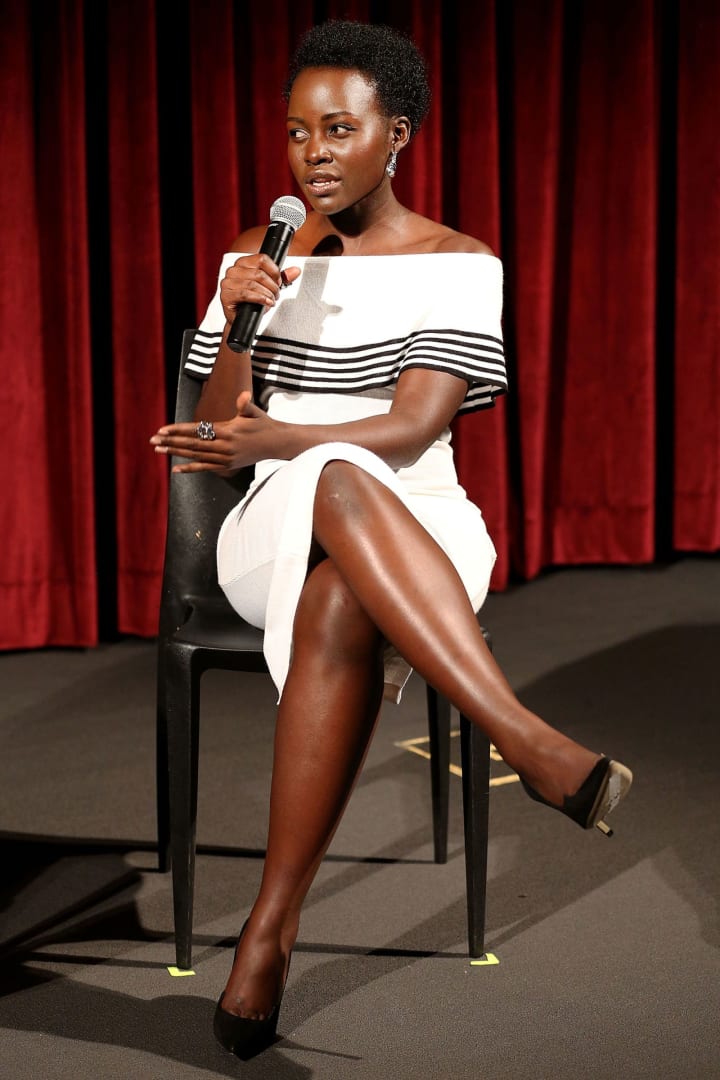
These women, along with icons like Beyoncé, Tracee Ellis Ross, and Lupita Nyong’o, have not only redefined style but have used fashion as a statement of power, representation, and cultural pride.
Final Thought: Fashion Speaks Louder Than Words.
From boardrooms to red carpets, what people wear influences how they’re perceived. Diana’s bold statements, Thatcher’s power suits, Catherine’s diplomacy, Rihanna’s fearlessness, Meghan’s minimalism, and Queen Elizabeth’s consistency all show that fashion isn’t just about aesthetics—it’s a strategic tool.
So next time you see a carefully chosen outfit in a high-stakes moment, ask yourself: What message is being sent? Because in the world of influence, fashion's not just about looking good—it’s about making a lasting impression.
Stay Connected.
If you enjoyed this content and want to explore more insights like this, consider subscribing to my page. Your support helps me continue creating meaningful content. If you feel led to, you can also leave a tip as a token of appreciation. Thank you for being part of this journey!
About the Creator
Cathy (Christine Acheini) Ben-Ameh.
https://linktr.ee/cathybenameh
Passionate blogger sharing insights on lifestyle, music and personal growth.
⭐Shortlisted on The Creative Future Writers Awards 2025.
Keep reading
More stories from Cathy (Christine Acheini) Ben-Ameh. and writers in Styled and other communities.
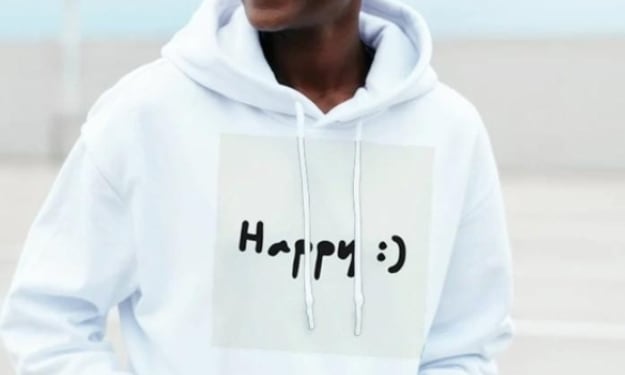
Wear Your Happiness.
Have you ever noticed how a single word can change your day? Sometimes it is a word someone says, sometimes it is one you see, and sometimes it is one you wear. That is the idea behind my latest design: a simple word, Happy, that acts as a gentle reminder to embrace joy.
By Cathy (Christine Acheini) Ben-Ameh.about a month ago in Styled
Ludacris and Nelly draw backlash over bookings at MAGA-coded music festival
Ludacris and Nelly headlining a mostly right-wing event is good for them. It’s also great for the genre of hip hop. The two rap veterans have showcased their talents on other stages. Why can’t they perform for mostly MAGA folks and grab that bag?
By Skyler Saunders3 days ago in Beat



Comments
There are no comments for this story
Be the first to respond and start the conversation.