
Explore the World of Fancy Sarees and Their Unique Fabrics
Modern Trends in Fancy Sarees
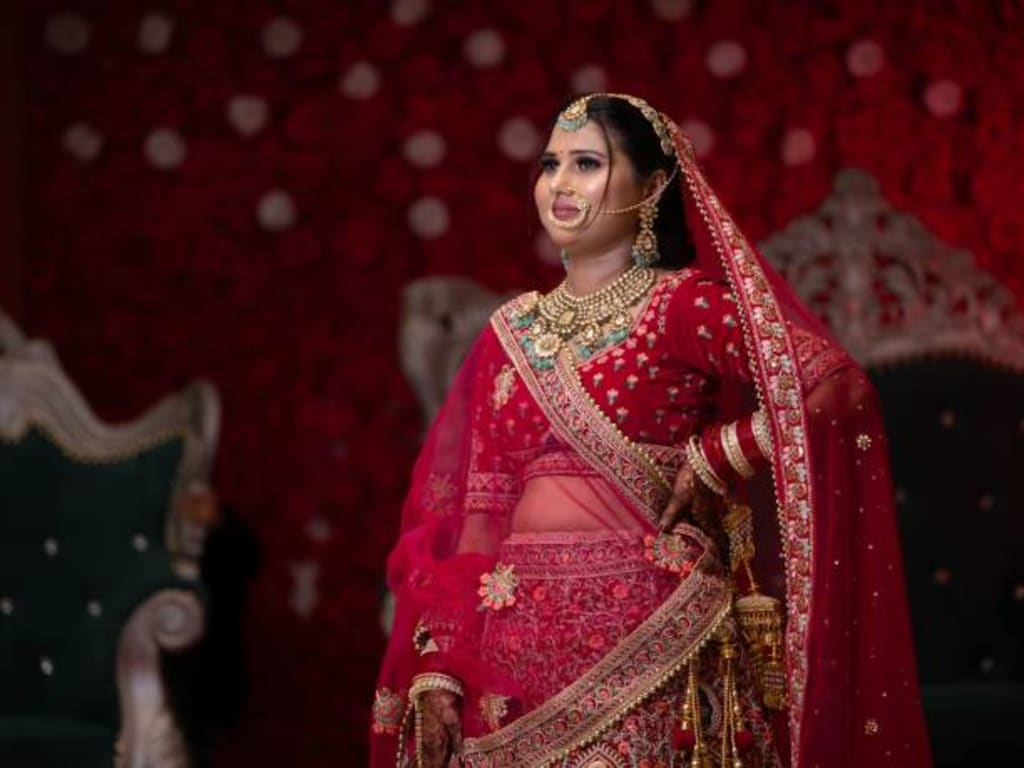
Sarees have woven their way into the cultural, social, and fashion fabric of India and beyond. This six to nine yards of sheer elegance has been a symbol of femininity, grace, and unwavering tradition. No matter how much fashion trends evolve, fancy sarees remain timeless, adapting magnificently with every generation and occasion. The magic lies in their unique fabrics, textures, and craftsmanship from different regions. Let’s take a mesmerizing journey through the enchanting world of fancy sarees and discover the stories spun into their threads.
The Heritage of Sarees: A Timeless Attire
The saree’s history can be traced thousands of years back, with references in ancient literature and depictions on temple walls. It’s not just an attire—it is a cultural narrative draped in colors, motifs, and tales from various regions. Today, the allure of the latest fancy sarees highlights how tradition gracefully evolves with fashion trends. Each region in India boasts its own style, technique, and emphasizes specific fabrics that suit the climate, lifestyle, and local crafts.
Silk: The Epitome of Luxury
When speaking of sarees, silk reigns supreme, especially for grand occasions like weddings and festivals. Banarasi, Kanjeevaram, Mysore, and Patola are some of the most sought-after silk variants. Banarasi silk sarees, originating from Varanasi, are famed for their opulent zari work and intricate designs. Kanjeevaram from Tamil Nadu, on the other hand, is characterized by bold colors and temple borders. These fabrics not only exude richness but also display an extraordinary finesse in weaving and finishing, making them ideal for those who appreciate the art of Fashion Styling.
Cotton Sarees: Sheer Comfort with Style
Cotton sarees embody simplicity, making them perfect for day-to-day wear, yet their aesthetic value is not to be underestimated. From the crisp Chanderis of Madhya Pradesh to the fine Jamdanis of Bengal, cotton sarees are ideal for both hot climates and formal environments. Their comfort does not come at the cost of elegance; unique dyeing techniques and sophisticated motifs make them fashionably relevant.
Georgette and Chiffon: The Flow of Modern Elegance
Modern women often seek sarees that combine traditional appeal with contemporary convenience. Georgette and chiffon sarees fit the bill perfectly. These fabrics are lightweight, easy to drape, and ideal for cocktail events or evening gatherings. Their ability to hold embroidery, sequins, and stylish prints allows designers to experiment endlessly, resulting in creations that are both glamorous and easy to manage.
Organza and Tissue Sarees: A Delicate Affair
For those who love a blend of traditional craftsmanship and modern design, organza and tissue sarees are a perfect pick. Organza sarees are ethereal, thanks to their sheer texture and glossy finish. They work beautifully with minimalistic embroidery or vibrant prints. Tissue sarees, with their metallic sheen and crisp feel, are often used for special occasions and are prized for their understated luxury.
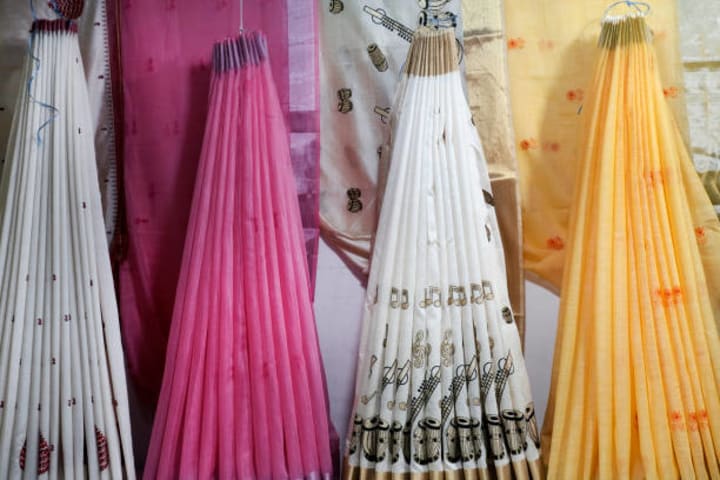
Net Sarees: Glamour Personified
Another dominant trend in the world of fancy sarees is the net saree. Popular among celebrities and young brides, net sarees are famed for their transparent appeal and the dazzling effect they create when adorned with sequins, lace, or threadwork. Often layered with contrasting fabrics underneath, they offer myriad styling possibilities for a bold, contemporary look.
Linen and Khadi Sarees: Sustainable Sophistication
With growing awareness of sustainability in Women's Clothing & Fashion, linen and khadi sarees have surged in popularity. Linen sarees, known for their breathability and natural feel, are favored in both summer and formal settings. Khadi, championed by Mahatma Gandhi, is not just a fabric but a symbol of self-reliance and heritage. Modern designers are innovating with these fabrics, blending comfort, ethics, and style.
Regional Diversity: A Tapestry of Cultures
Each state in India offers its signature saree, rooted in local traditions and crafts. Paithani from Maharashtra with its peacock designs, the vibrant Bandhani tie-dye sarees of Gujarat and Rajasthan, Pochampally Ikats from Telangana, and the ornate Baluchari from Bengal are a few examples. These sarees are not just garments but cultural treasures, preserving age-old weaving techniques and indigenous motifs.
The Contemporary Touch: Fusion Fabrics and Designs
Fashion designers are pushing the boundaries by blending traditional saree weaves with innovative fabrics and styles. Sarees crafted from blends like silk-cotton, satin-silk, and cotton-georgette are gaining traction, appealing to the urban woman who values versatility in her wardrobe. Alongside saree innovations, the latest salwar suit trends for girls are also captivating the fashion world, offering a modern twist to ethnic attire. Contemporary draping techniques, pre-stitched sarees, and global motifs have taken the traditional saree from classic to cosmopolitan, all while preserving its essence.
Conclusion
The world of fancy sarees is as vast as it is enchanting, defined by an incredible diversity of fabrics, weaves, and regional identities. Each saree tells a tale—of artistry, heritage, festival, and fashion. Whether you’re cherishing the grandeur of silk, relishing the comfort of cotton, or experimenting with modern fabrics and draping styles, every saree offers a unique experience and a slice of culture. As designers and artisans continue to innovate, sarees will undoubtedly retain their revered status, beautifully balancing tradition and contemporary style in every drape.


Comments
There are no comments for this story
Be the first to respond and start the conversation.