
Cotton Fabric – The Ultimate Guide to Nature’s Most Versatile Textile
Introduction to Cotton Fabric
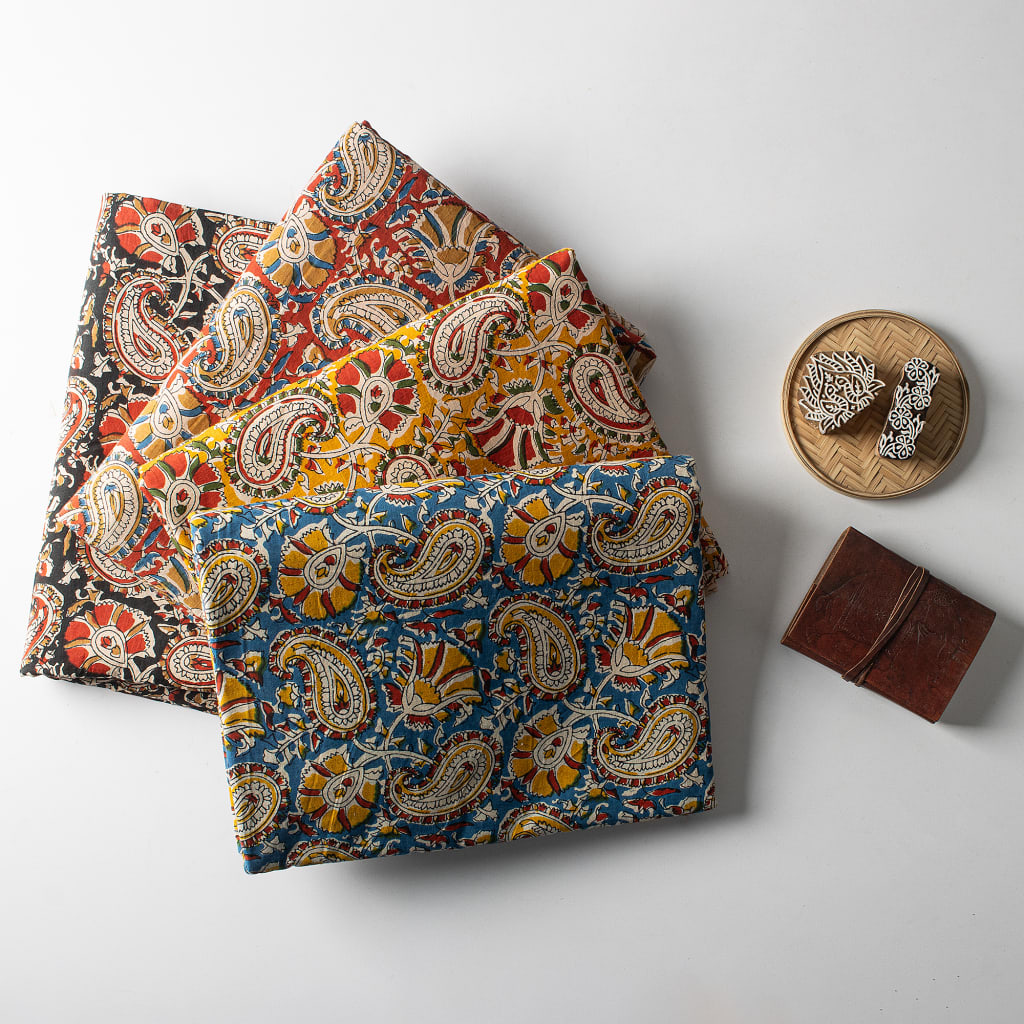
Cotton fabric is one of the most widely used textiles globally, known for its softness, durability, and versatility. Derived from the natural fibers of the cotton plant, this fabric has been a staple in the textile industry for centuries. Whether used for clothing, home furnishings, or industrial purposes, cotton remains the top choice due to its breathability, comfort, and hypoallergenic properties.
Types of Cotton Fabric
1. Organic Cotton
Organic cotton is grown without the use of synthetic pesticides or fertilizers, making it an eco-friendly option. It is softer, more breathable, and free from harmful chemicals, making it ideal for sensitive skin.
2. Pima Cotton
Pima cotton is considered one of the finest types of cotton due to its long fibers, which make it incredibly soft and strong. It resists fraying, fading, and tearing, making it an excellent choice for premium garments and bed linens.
3. Egyptian Cotton
Egyptian cotton is another luxurious variety, renowned for its exceptional softness and durability. Grown in the Nile River Valley, it produces extra-long staple fibers that result in high-quality fabric with a silky finish.
4. Upland Cotton
Upland cotton is the most commonly used cotton worldwide, accounting for about 90% of global cotton production. It has shorter fibers compared to Pima or Egyptian cotton, but it is still widely used in apparel and home textiles.
5. Supima Cotton
Supima cotton fabric is an American-grown superior cotton, known for its extra-long staple fibers. It is exceptionally soft, strong, and resistant to pilling, making it ideal for premium-quality clothing and bedding.
Advantages of Cotton Fabric
1. Breathability
Cotton is a breathable fabric that allows air circulation, making it perfect for warm climates. It helps in wicking moisture away from the skin, keeping the wearer cool and comfortable.
2. Durability and Strength
Cotton fibers are naturally strong and durable. High-quality cotton fabrics can withstand multiple washes without losing their shape or softness, making them a cost-effective choice.
3. Hypoallergenic Properties
Cotton is gentle on the skin and is less likely to cause allergic reactions. It is a preferred choice for individuals with sensitive skin, babies, and those prone to skin irritations.
4. Absorbency
Cotton is highly absorbent, making it ideal for towels, bathrobes, and activewear. It can absorb up to 27 times its weight in water, ensuring quick drying and comfort.
5. Versatility
Cotton fabric is used in a variety of applications, including fashion, home textiles, medical supplies, and industrial materials. It can be blended with other fibers to enhance its properties.
Popular Uses of Cotton Fabric
1. Clothing
Cotton is the preferred fabric for everyday wear, including t-shirts, dresses, jeans, and undergarments. Its softness and breathability make it comfortable for all-day wear.
2. Home Textiles
Cotton is widely used in home textiles such as bed sheets, pillowcases, curtains, and upholstery due to its durability and easy maintenance.
3. Baby Products
Due to its hypoallergenic nature, cotton is extensively used in baby clothing, blankets, and diapers, ensuring the utmost comfort for infants.
4. Medical Uses
Cotton is used in medical supplies such as bandages, gauze, and cotton swabs because of its absorbent and non-irritating properties.
5. Towels and Bathrobes
The absorbent nature of cotton makes it ideal for bath towels, hand towels, and luxurious bathrobes, providing ultimate comfort and drying efficiency.
How to Care for Cotton Fabric
1. Washing
Use mild detergent and cold or warm water to preserve the fabric’s softness.
Wash cotton separately from synthetic fabrics to avoid pilling.
For delicate cotton, hand washing is recommended.
2. Drying
Air drying is the best method to maintain the integrity of cotton fibers.
If using a dryer, set it to low heat to prevent shrinkage.
3. Ironing
Cotton wrinkles easily, so ironing at medium to high heat is necessary.
Using a steam iron helps to remove stubborn wrinkles effectively.
4. Storing
Store cotton fabric in a cool, dry place.
Avoid exposure to direct sunlight to prevent fading.
Sustainable and Eco-Friendly Aspects of Cotton
With the increasing demand for sustainable textiles, organic and recycled cotton have gained popularity. Organic cotton farming reduces environmental impact by eliminating the use of harmful chemicals, while recycled cotton helps in waste reduction by repurposing old textiles.
Conclusion
Cotton fabric remains a staple in the textile industry, offering a perfect balance of comfort, durability, and versatility. Whether used for fashion, home décor, or industrial applications, its benefits make it a preferred choice worldwide. By choosing high-quality cotton and practicing proper fabric care, you can enjoy the luxury and sustainability that cotton has to offer.
About the Creator
Keep reading
More stories from Viktoria sen986 and writers in Styled and other communities.
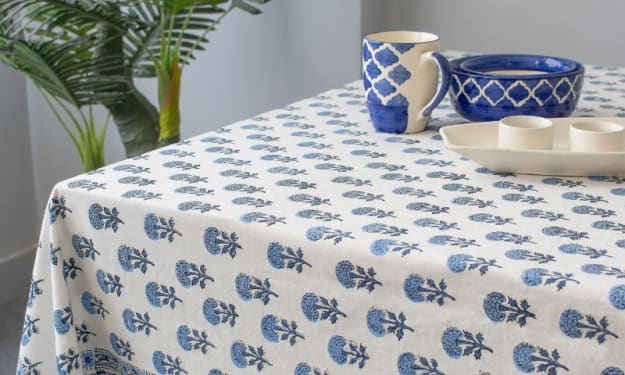
Dining Table Cover – Enhance Your Dining Experience with Style and Protection
A dining table cover is more than just a protective layer; it is an essential piece that enhances the aesthetics of your dining space while safeguarding your table from spills, stains, and damage. Whether you prefer an elegant, minimalist design or a vibrant, decorative touch, the right dining table cover can transform your dining area into a sophisticated and inviting space.
By Viktoria sen98611 months ago in Styled
Lordhair vs Lavivid: A Wearer's Take
I didn't plan on comparing brands. I just wanted to share my own experience and thoughts. The Situation By the time I started wearing a hair system, I’d already spent too much energy reading forums, watching videos, and second‑guessing myself. Every option sounded perfect until it wasn’t.
By Ryan Collins5 days ago in Styled
What to Wear to Engagement Ceremonies: Silk Salwar Suit Ideas
Engagement ceremonies are special, but they’re also slightly tricky to dress for. You want to look festive and polished, but not as heavy as you would for the wedding day itself. In 2026, many women are finding the perfect balance with silk salwar suits outfits that feel rich, graceful, and comfortable without going over the top.
By Amit Mandal6 days ago in Styled
So You Decided To Become a Nurse Practitioner:
So you decided to become an "Advanced Practice" nurse. Congratulations!... is what I would say if this was a good idea. Grad school? In this economy? What were you thinking? Likely it was something along the lines of either 1) “I've seen these other chucklefucks do it— Why can't I?” or even 2) “I've got a nice career, I should shake it up. I miss feeling like I have no clue what I'm doing.”
By Sandor Szabo5 days ago in Fiction


Comments
There are no comments for this story
Be the first to respond and start the conversation.