
Connected Technologies Boosting Innovations in the Knitting Industry
Revolutionizing the Knitting Industry: How IoT, AI, and Automation Are Shaping the Future of Textile Manufacturing

The knitting industry is undergoing a technological transformation driven by connected technologies such as the Internet of Things (IoT), Artificial Intelligence (AI), and automation. These advancements are enhancing efficiency, reducing waste, and enabling manufacturers to create high-quality, customized textile products at a faster pace. In this article, we explore how connected technologies are revolutionizing the knitting industry and shaping its future.
1. Smart Knitting Machines and IoT Integration
- IoT-enabled knitting machines are transforming textile manufacturing by allowing real-time monitoring and control.
- These machines can detect defects, adjust stitch tension, and optimize production settings automatically.
- Connectivity with cloud-based systems enables remote access, predictive maintenance, and data-driven decision-making.
- Manufacturers can reduce downtime and improve efficiency with smart alerts and automated troubleshooting.
2. Artificial Intelligence (AI) in Knitting
- AI-powered knitting machines analyse historical data to enhance production accuracy and reduce errors.
- Machine learning algorithms optimize stitch patterns, minimize yarn wastage, and improve fabric quality.
- AI-based predictive maintenance prevents breakdowns by identifying potential machine failures in advance.
- Automated defect detection ensures consistent product quality and reduces the need for manual inspections.
3. Digital Twin Technology in Textile Manufacturing
- Digital twin technology creates virtual replicas of knitting machines and production lines.
- This allows manufacturers to simulate and optimize processes before implementing changes in real production.
- Digital twins help in minimizing material waste and improving efficiency by predicting potential operational issues.
- Companies can experiment with different knitting patterns and structures without physical trials, reducing costs.
4. 3D Knitting and Seamless Production
- 3D knitting technology enables the creation of seamless garments and complex fabric structures.
- This reduces the need for cutting and sewing, minimizing waste and labour costs.
- The technology allows customization at scale, catering to the growing demand for personalized fashion.
- Leading brands are adopting 3D knitting for sustainable, on-demand manufacturing.
5. Cloud Computing and Big Data Analytics
- Cloud-based platforms store and analyse vast amounts of knitting production data.
- Manufacturers can use big data analytics to identify trends, optimize workflows, and enhance efficiency.
- Real-time access to data allows quick decision-making and process improvements.
- Cloud technology facilitates collaboration across global textile supply chains.
6. Automation and Robotics in Knitting
- Robotics is being integrated into knitting production to automate repetitive tasks.
- Automated robotic arms assist in yarn handling, fabric inspection, and machine maintenance.
- The combination of robotics and AI reduces manual intervention, leading to higher productivity and precision.
- Automation enhances consistency and speeds up production while lowering operational costs.
7. Sustainable Innovations with Connected Technologies
- IoT and AI contribute to sustainability by reducing resource consumption in knitting processes.
- Smart energy management systems optimize electricity and water usage in textile factories.
- Automated yarn recycling technologies help in reusing textile waste efficiently.
- Blockchain integration ensures transparency in sourcing sustainable raw materials.
8. Customization and On-Demand Knitting
- Digital knitting technologies allow brands to offer personalized garments with unique patterns and sizes.
- Consumers can design their own textiles using online platforms connected to smart knitting machines.
- On-demand production minimizes overproduction and inventory waste, making the industry more sustainable.
- AI-driven design tools assist in creating innovative patterns with minimal human input.
9. Future Trends in Connected Knitting Technologies
- Advancements in smart textiles, including temperature-regulating fabrics and biometric sensors.
- Greater adoption of 5G technology to enhance connectivity and real-time machine interactions.
- Growth of AI-powered virtual fashion designers that generate new knitting patterns instantly.
- The use of augmented reality (AR) in visualizing textile designs before production.
Conclusion
Connected technologies are reshaping the knitting industry by improving efficiency, sustainability, and customization. The integration of IoT, AI, automation, and digital solutions is revolutionizing the way textiles are produced. As these technologies continue to evolve, the future of knitting will be defined by smarter, more sustainable, and highly innovative production methods, meeting the demands of an ever-changing market.
About the Creator
Keep reading
More stories from nick rodas and writers in Styled and other communities.
Innovations and Sustainability Drive Growth in the Knitting Industry in 2025
The knitting industry is undergoing a remarkable transformation in 2025, fuelled by rapid technological innovation and a strong global push toward sustainability. From smart machinery and automation to eco-conscious materials and processes, the knitting sector is embracing change like never before. These advancements are not only enhancing productivity and product quality but are also aligning the industry with environmental and social responsibility. Here’s a detailed exploration of how innovation and sustainability are driving growth in the knitting industry this year.
By nick rodas9 months ago in Styled
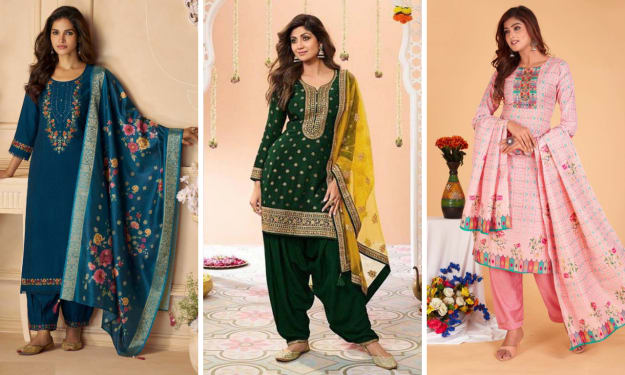
Patiala Salwar Designs That Flatter Without Overdoing It
Patiala salwar has always been known for its relaxed charm and beautiful drape. But in 2026, the way women are wearing it has changed. The focus is no longer on heavy pleats, loud colours, or over-the-top styling. Instead, modern Patiala salwar designs are all about looking flattering without trying too hard easy silhouettes, balanced volume, and styling that feels natural.
By Amit Mandalabout 16 hours ago in Styled



Comments (1)
I love the Knitting Industry! Fantastic.