
Coffee Beans for Espresso at Home
A Guide to Great Brews
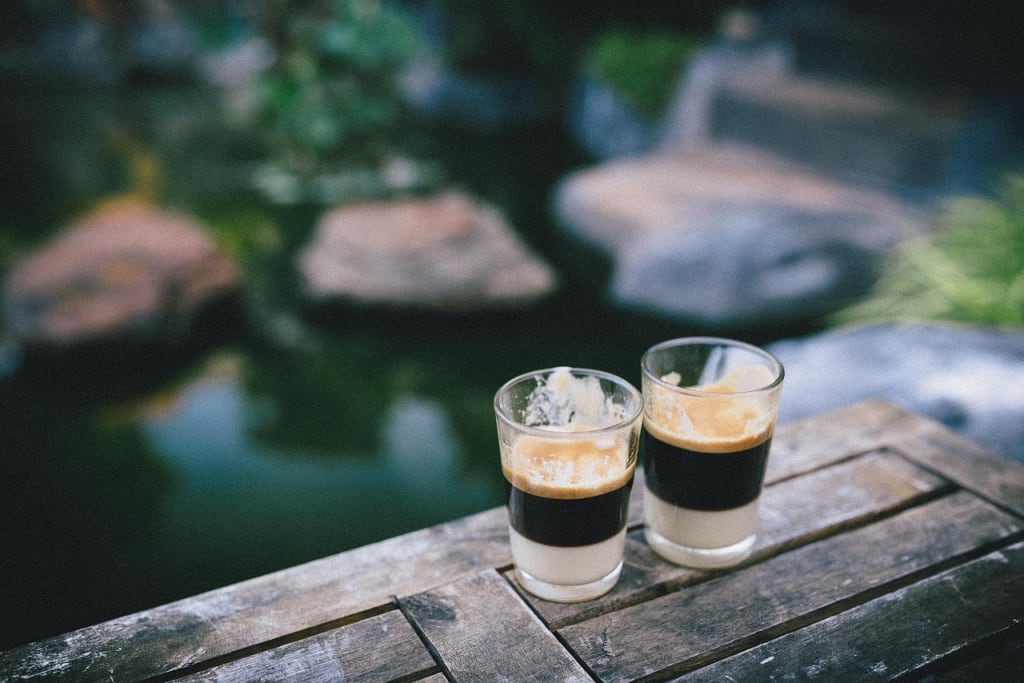
There’s something undeniably satisfying about pulling a perfect espresso shot in the comfort of your own kitchen. The aroma, the crema, the bold flavor—it’s a ritual many coffee lovers dream of mastering. While technique and equipment matter, the heart of every great shot starts with the beans. Choosing the right coffee beans for espresso at home can transform a decent cup into a memorable experience. So, how do you pick the perfect beans for your home espresso setup? Let’s explore what makes a bean shine in the espresso world.
What Makes Espresso Beans Special?
Espresso isn’t a type of bean; it’s a brewing method. However, certain beans are roasted and blended specifically to suit the high-pressure, quick-extraction process of an espresso machine. Espresso roasts are typically medium to dark, highlighting richness and body over brightness and acidity. These beans tend to have a fuller flavor profile, with chocolate, nutty, or caramel notes that shine through in a concentrated shot.
That said, there’s room for creativity. Some home baristas prefer lighter roasts and single-origin beans to explore more complex, fruity flavors in their espresso. It all comes down to your taste and how adventurous you’re feeling.
Freshness is Non-Negotiable
When it comes to espresso, stale beans are the enemy. Freshly roasted beans (ideally within two to three weeks of roast date) provide the right balance of gases and oils needed for proper extraction and crema formation. Once beans are roasted, they begin to release carbon dioxide and lose flavor over time. Buying whole beans and grinding them right before brewing helps preserve the aroma and intensity you want in a good shot.
Look for roasters that clearly print the roast date on the bag. Vacuum-sealed packaging or one-way valve bags also help maintain freshness during storage.
Single-Origin vs. Blends
Both single-origin beans and blends can produce excellent espresso, but each offers a different experience:
Single-Origin Beans: Sourced from a specific region or even a single farm, these beans highlight unique flavor characteristics—think floral Ethiopian or earthy Sumatran. Great for adventurous drinkers who want to explore nuances.
Espresso Blends: Carefully crafted combinations of beans that offer a balanced profile, consistent crema, and crowd-pleasing flavors. Ideal for daily drinking or if you enjoy milk-based drinks like lattes or cappuccinos.
Blends are often more forgiving when dialing in your espresso grind size and extraction time, while single-origins can be more temperamental but incredibly rewarding.
Best Bean Varieties for Espresso
The two main species of coffee used in espresso are Arabica and Robusta:
Arabica: Known for its sweet, nuanced flavors and smoother finish. Most specialty coffee is Arabica, making it a popular choice for espresso.
Robusta: Contains more caffeine and produces a thicker crema with a stronger, more bitter taste. Often used in small amounts in blends to enhance crema and body.
For home espresso, 100% Arabica beans are typically recommended for those who enjoy complex, smooth flavors. If you like a more traditional Italian-style espresso with intense body and crema, a blend with 10–20% Robusta might hit the spot.
Roast Level Matters
Roast level plays a significant role in flavor:
Medium Roast: Balances acidity and sweetness, often highlighting fruity or chocolatey notes. Works well for espresso if you enjoy clarity and brightness.
Medium-Dark to Dark Roast: Emphasizes bold, roasted flavors with low acidity. Popular for traditional espresso lovers who enjoy rich, syrupy shots.
If you’re new to home espresso, starting with a medium-dark roast can provide a smoother learning curve while still delivering bold flavors.
Grinding for Greatness
Even the best beans won’t shine without the right grind. Espresso requires a fine grind, much finer than what you’d use for drip or pour-over. Investing in a quality burr grinder allows for precise control over grind size, which is essential for dialing in your espresso and avoiding under- or over-extraction.
Consistency is key. A uniform grind ensures even water flow through the coffee puck, producing a balanced shot every time. Avoid blade grinders—they produce uneven particles that can ruin your espresso.
Flavor Profiles to Consider
Choosing a bean isn’t just about roast level—it’s also about the flavor profile that suits your palate. Here are a few popular options:
Chocolate and Nutty: Smooth, comforting, and ideal for espresso or milk drinks. Often found in beans from Brazil or Colombia.
Fruity and Floral: Bright, aromatic, and often more acidic. Common in beans from Ethiopia or Kenya.
Spicy and Earthy: Deep and bold with a lingering finish. Frequently seen in Sumatran or Indian coffees.
Experimenting with different origins and profiles can help you discover your personal espresso preference.
Top Tips for Brewing at Home
Weigh Your Dose: Use a digital scale to ensure consistent dosing.
Tamp Evenly: Apply even pressure when tamping to prevent channeling.
Dial In Your Grind: Start fine and adjust based on shot time and taste.
Clean Equipment Regularly: A clean machine means better flavor.
Taste and Adjust: Small tweaks to dose, grind, and extraction time can make a big difference.
Great Bean Brands for Home Espresso
While taste is subjective, these brands are known for producing high-quality beans ideal for home espresso:
Stumptown Coffee Roasters – Hair Bender Blend
Intelligentsia – Black Cat Espresso
Lavazza – Super Crema Espresso
Blue Bottle Coffee – 17ft Ceiling Espresso
Counter Culture Coffee – Big Trouble
These options range from traditional Italian-style to modern specialty blends, offering something for every espresso enthusiast.
Conclusion
Great espresso at home starts with choosing the right beans. Whether you lean toward smooth blends or bold single-origins, the key is freshness, proper roast level, and a flavor profile that suits your taste. With a good grinder, some practice, and quality beans, your kitchen can become your favorite espresso bar. So, get brewing—and savor the shot that’s made just the way you like it.
About the Creator
Keep reading
More stories from stephanee somsri and writers in Styled and other communities.
Website Speed Test for Elementor
When it comes to building visually stunning websites, Elementor is a go-to choice for WordPress users. Its drag-and-drop interface, rich widget library, and flexibility make it easy for anyone to create professional-looking websites. But while it delivers beauty, Elementor websites can sometimes fall short on speed if not optimized properly.
By stephanee somsri9 months ago in FYI
2026 Oscar Nominations: The Complete List of Nominees
The annual celebration of cinematic achievement is upon us once again. On January 22, 2026, the 98th Academy Awards nominations were officially revealed, setting the stage for one of the most exciting Oscar seasons in recent memory. With record-breaking nods, surprise contenders, and an unusually diverse field of films and talents, the Academy Awards nominations have generated widespread conversation in Hollywood and around the world.
By Salaar Jamali6 days ago in Styled




Comments
There are no comments for this story
Be the first to respond and start the conversation.