
Closed Source vs. Open Source: Why nopCommerce Might Be the Better Choice
Closed Source vs. Open Source
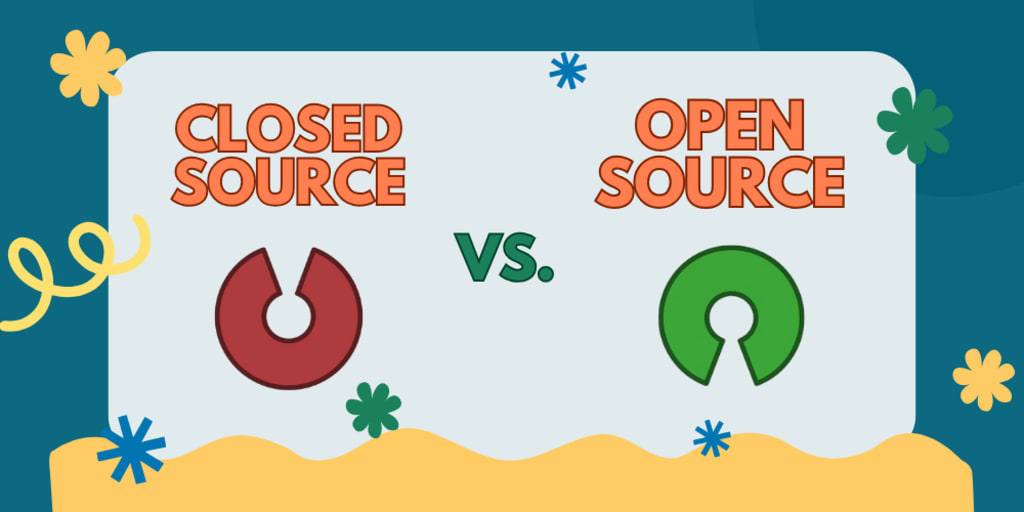
The answer lies in one word: freedom. Because nopCommerce can combine unparalleled flexibility, total ownership, and cost-effectiveness qualities that set it apart from proprietary platforms & other open-source platforms.
While closed-source platforms provide convenience and pre-packaged solutions, as they often come with restrictions that limit customization, ownership, and scalability.
In contrast, nopCommerce thrives on openness, empowering businesses with complete access to the source code, robust customization capabilities, and a global community of innovators.
Whether you’re seeking independence from vendor lock-in, cost-efficient scalability, or the freedom to adapt your platform to unique business needs, nopCommerce emerges as the better choice.
Let’s explore how nopCommerce, as a leading open-source platform, empowers businesses to thrive by offering the freedom to innovate, adapt, and grow without the limitations imposed by closed-source alternatives.
Why Choose nopCommerce Over Other Platforms?
When it comes to choosing an eCommerce platform, nopCommerce stands out for its unique combination of flexibility, control, and scalability. Here's how it compares to both closed-source platforms like Shopify and other open-source alternatives like WooCommerce:
More Control Than Closed-Source Platforms (e.g., Shopify)
Shopify is a popular closed-source platform that offers an easy setup, but businesses are limited by its predefined templates, integrations, and pricing tiers. With Shopify, you're essentially renting the software, which restricts your ability to make custom changes or fully control the store's features.
In contrast, nopCommerce gives you 100% full control over your site, its hosting, and its code. You can make any customizations you need, whether it’s adding new features, modifying the design, or integrating third-party tools. This level of control makes nopCommerce the better choice for businesses looking for freedom and flexibility.
More Structure and Support Than Other Open-Source Platforms (e.g., WooCommerce)
WooCommerce is another popular open-source option, but it often requires a lot of manual setup, troubleshooting, and third-party extensions to work effectively. While WooCommerce is flexible, it can also be more challenging for businesses without technical expertise, and scaling it can require a lot of work.
nopCommerce offers a more structured approach out of the box. With built-in features like multi-store management, multiple payment gateways, and robust security, you get a ready-to-go solution that doesn’t need as much customization or extra tools. Plus, the dedicated global community and specialized support agencies ensure you can get help whenever you need it.
Real-World Examples of Success with nopCommerce
- Global Retailers: Companies selling across multiple regions have used nopCommerce’s multi-store capabilities to easily manage separate stores for different countries or currencies. This built-in feature has saved them time and effort in scaling.
- Niche Product Sellers: Businesses with unique product offerings have been able to customize nopCommerce to fit their specific needs. whether it’s integrating a custom payment system or adding niche shipping options, nopCommerce adapts to the business’s unique requirements.
Closed Source vs. Open Source
Ownership and Code Access
One of the most significant differences between open-source and closed-source platforms lies in code access.
- nopCommerce (Open Source): With complete access to the source code, nopCommerce empowers businesses to customize their online store to meet unique needs. Whether you want to add features, modify workflows, or enhance integrations, the possibilities are limitless.
- Closed Source Platforms: Proprietary platforms often retain ownership of the code, restricting your ability to implement custom changes. You are essentially "renting" the software, leaving your customization options at the mercy of the vendor.
Flexibility and Customization
- nopCommerce: Its open-source nature allows for deep customization, from advanced design modifications to integrating specialized third-party tools. You’re not confined by predefined templates or vendor-approved plugins.
- Closed Source Platforms: While they often include easy-to-use templates and plugins, these solutions limit flexibility, particularly for businesses with unique requirements or niche markets.
Cost Structure
- nopCommerce: Offers free licensing with transparent costs for hosting, development, and maintenance. Businesses have the freedom to allocate resources to areas that matter most, like scaling or adding new features.
- Closed Source Platforms: Often come with recurring subscription fees, transaction charges, and limitations tied to higher-tier plans. These bundled costs can quickly add up, reducing cost efficiency over time.
Security and Control
- nopCommerce: The open-source community regularly addresses vulnerabilities, providing timely patches and updates. Businesses can also implement their own security measures for added protection.
- Closed Source Platforms: While vendors handle security, users rely entirely on the provider’s responsiveness. Delays or oversight in addressing vulnerabilities can leave businesses exposed.
Scalability
- nopCommerce: Its customizable architecture and scalable design make it suitable for small businesses, enterprises, and everything in between. Multi-store and multi-vendor capabilities come built-in, simplifying expansion.
- Closed Source Platforms: Many proprietary platforms offer scalable solutions but may charge higher fees for larger operations. Additionally, platform limitations can impede fine-tuned adjustments for highly specific needs.
Freedom from Vendor Lock-In
- nopCommerce: Businesses retain full control over hosting providers, development partners, and even the ability to fork the code for unique purposes. Switching platforms or adapting to new requirements is seamless.
- Closed Source Platforms: Migration is often costly and complicated, with restricted data portability and proprietary tools that tie you to the vendor’s ecosystem.
Community and Innovation
- nopCommerce: A global community of developers and contributors ensures a continuous flow of updates, plugins, and new features. Businesses also benefit from free forums, extensive documentation, and expert agencies.
- Closed Source Platforms: Feature development and innovation are limited to the vendor’s roadmap, often driven by market priorities rather than individual business needs.
Support & Resources
- nopCommerce: Support options range from community forums to specialized agencies. While this provides flexibility, non-technical users may find navigating these resources challenging.
- Closed Source: Proprietary platforms usually offer centralized support, often tiered based on subscription plans. While convenient, this approach may come with limitations.
Ease of Use & Setup
- nopCommerce: Setting up an open-source platform may require technical expertise. However, many offer user-friendly tools or one-click installations to simplify the process.
- Closed Source: Proprietary platforms often provide a plug-and-play experience, making them appealing to non-technical users or small businesses.
Longevity & Independence
- nopCommerce: Open-source platforms ensure long-term independence. Even if a developer community diminishes, the code remains accessible, securing your business’s future.
- Closed Source: Reliance on a single vendor introduces risks, such as discontinued support or forced migrations. These changes can disrupt business operations and incur additional costs.
Cost-Effectiveness Highlights
- No licensing fees, enabling businesses to reinvest in growth.
- Flexible hosting options allow businesses to choose affordable or high-performance solutions.
- Lower long-term maintenance costs with an active open-source community.
- Rich plugin ecosystem, reducing the need for expensive custom developments.
Summing Up Everything
In the battle between open-source and closed-source platforms, nopCommerce delivers the best of both worlds: the freedom and flexibility of open-source technology, paired with a robust architecture that rivals proprietary alternatives.
By choosing nopCommerce, businesses gain:
- Complete Ownership & Code Access: Adjust or expand your store as you see fit - no permissions needed.
- Seamless Scalability: Grow from a small startup to a global retailer with a platform designed for performance.
- Active Community & Innovation: Tap into the collective knowledge of an international developer community.
- Cost-Effectiveness: Avoid licensing fees and invest resources where they matter most - improving your store.
Ultimately, nopCommerce empowers store owners and businesses to innovate at will, keep costs in check, and cultivate a truly customized online shopping experience. Freed from the constraints of closed-source software, you can adapt quickly to changing market demands, integrate specialized tools, and position your business for sustainable growth all while enjoying the benefits of a robust open-source e-commerce platform.
About the Creator
Keep reading
More stories from Jessica Harsora and writers in Styled and other communities.
10 Stylish Ways to Wear a Kaftan Dress
One of the simplest outfits to style in kaftan dresses. They are snazzy and practical and work with countless looks. Through the years, kaftan makes a journey from wearing among cultures to its introduction in modern wardrobes. Kaftan dress is very much loved by women who prefer modest fashion and islamic clothing as it can be elegant yet comfortable.
By Stylewithme3 days ago in Styled



Comments
There are no comments for this story
Be the first to respond and start the conversation.