
Blockchain Technology Ensuring Transparency in Knitwear Production
Revolutionizing Knitwear: How Blockchain Ensures Transparency, Ethical Sourcing, and Sustainability in Textile Production

The global textile industry, particularly knitwear production, faces numerous challenges related to transparency, sustainability, and ethical sourcing. Issues such as counterfeit products, labour exploitation, and lack of supply chain traceability have raised concerns among consumers and businesses alike. Blockchain technology offers a revolutionary solution by ensuring transparency, traceability, and security in knitwear production. By leveraging decentralized ledgers, smart contracts, and immutable data records, blockchain can transform the knitwear industry into a more accountable and trustworthy sector.
This article explores how blockchain technology is enhancing transparency in knitwear production, from raw material sourcing to the final product reaching consumers.
1. Understanding Blockchain in Textile Manufacturing
a. What is Blockchain?
Blockchain is a decentralized digital ledger that records transactions across multiple computers, ensuring security, transparency, and immutability.
b. How Does It Work in Knitwear Production?
In the textile industry, blockchain records every stage of production, from fibber procurement to garment distribution, making the entire supply chain visible and verifiable.
c. Key Features of Blockchain Technology:
- Decentralization: No single entity has control over the data, preventing manipulation.
- Immutability: Once recorded, data cannot be altered or deleted.
- Transparency: All stakeholders can verify information in real time.
2. Enhancing Supply Chain Transparency
a. Tracking Raw Materials
- Blockchain allows brands to trace the origin of fibbers used in knitwear, ensuring they come from sustainable and ethical sources.
- Customers can scan a QR code on a product and see details like the farm or factory where the material was sourced.
b. Monitoring Production Processes
- Manufacturers can log data about yarn quality, knitting methods, and labour practices.
- Blockchain records whether factories comply with labour laws and environmental regulations.
c. Ensuring Ethical Labour Practices
- Blockchain helps verify fair wages, safe working conditions, and compliance with labour laws.
- It eliminates fraudulent certifications by providing real-time verification of worker conditions.
3. Preventing Counterfeit Knitwear Products
a. Authenticity Verification
- Luxury and premium knitwear brands can use blockchain to prevent counterfeiting by providing a unique digital identity for each product.
- Consumers can verify product authenticity through blockchain-powered authentication tools.
b. Tamper-Proof Product Labels
- Smart tags and blockchain-enabled QR codes prevent duplication and fraud.
- Each knitwear item is assigned a unique digital signature, ensuring its originality.
4. Smart Contracts for Fair Trade and Compliance
a. Automating Agreements in Knitwear Production
- Smart contracts are self-executing agreements stored on the blockchain that trigger actions when predefined conditions are met.
- In knitwear production, smart contracts ensure suppliers receive payments only after meeting ethical and quality standards.
b. Eliminating Middlemen and Reducing Costs
- Direct transactions between manufacturers, suppliers, and retailers reduce intermediaries and associated costs.
- Brands can ensure suppliers comply with fair trade regulations without relying on third parties.
5. Improving Sustainability in Knitwear Manufacturing
a. Tracking Carbon Footprint
- Blockchain records energy consumption, water usage, and emissions at every stage of production.
- Brands can provide customers with verified data on the environmental impact of their products.
b. Encouraging Circular Economy
- Blockchain facilitates recycling initiatives by tracking materials throughout their lifecycle.
- Second-hand knitwear marketplaces can verify product history and authenticity using blockchain.
6. Real-Time Consumer Engagement and Brand Trust
a. Empowering Consumers with Verified Information
- Consumers can access blockchain data through mobile apps or QR codes to check product authenticity, material origins, and ethical compliance.
- Transparency builds trust and loyalty, giving brands a competitive advantage.
b. Customer Feedback and Blockchain Integration
- Blockchain can securely store consumer reviews and feedback, preventing manipulation or deletion.
- Brands can improve their reputation by demonstrating responsiveness to verified customer concerns.
7. Challenges and Future Prospects of Blockchain in Knitwear Production
a. Challenges:
- High Implementation Costs: Initial setup and training for blockchain integration can be expensive.
- Data Privacy Concerns: While transparency is beneficial, companies must protect sensitive business information.
- Industry-Wide Adoption: Blockchain’s effectiveness depends on mass adoption by all supply chain stakeholders.
b. Future Prospects:
- Integration with AI and IoT: AI-driven insights combined with blockchain can further optimize supply chains.
- Government Regulations and Blockchain Compliance: Authorities may adopt blockchain for enforcing sustainable and ethical manufacturing practices.
- Consumer Demand for Transparency: Growing awareness will drive brands to adopt blockchain to maintain market credibility.
Conclusion
Blockchain technology is revolutionizing knitwear production by ensuring transparency, authenticity, and ethical sourcing. With blockchain-powered traceability, brands can gain consumer trust, prevent counterfeiting, and promote sustainable practices. While challenges exist, the future of blockchain in textile manufacturing looks promising, paving the way for a more responsible and transparent industry.
By adopting blockchain, knitwear manufacturers can redefine industry standards and lead the way toward a fair, sustainable, and technology-driven future.
About the Creator
Keep reading
More stories from nick rodas and writers in Styled and other communities.
Connected Technologies Boosting Innovations in the Knitting Industry
The knitting industry is undergoing a technological transformation driven by connected technologies such as the Internet of Things (IoT), Artificial Intelligence (AI), and automation. These advancements are enhancing efficiency, reducing waste, and enabling manufacturers to create high-quality, customized textile products at a faster pace. In this article, we explore how connected technologies are revolutionizing the knitting industry and shaping its future.
By nick rodas10 months ago in Styled
Hand-Tied vs. Machine Wefts: The Ultimate Guide to Choosing Your Perfect Extensions
In the world of professional hair extensions, "wefts" are the gold standard for adding significant length and volume. However, the choice between Hand-Tied Wefts and Machine Wefts often leaves clients—and even some stylists—uncertain.
By Emma Smith7 days ago in Styled
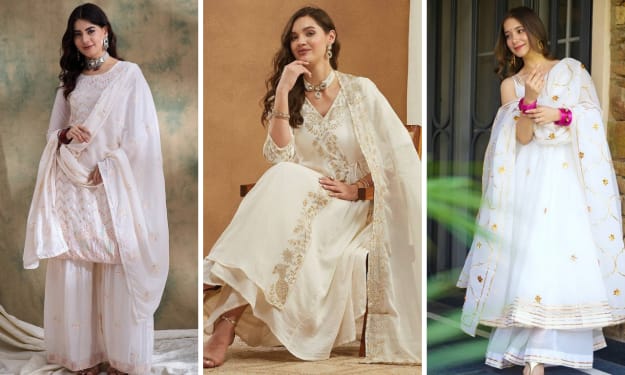
Reel-Ready White Salwar Kameez Styles That Photograph Beautifully
For social media and festive fashion in 2026, white salwar kameez is a favourite option for women looking for outfits that are as flattering IRL as they appear on camera. And whether you are posting a reel from a family party, festival celebration or Sunday brunch with your friends, the perfect white salwar kameez style can give you stunning visuals with minimal effort no matter how styled up (or down) it appears.
By Amit Mandala day ago in Styled



Comments
There are no comments for this story
Be the first to respond and start the conversation.