
ARKKY: Innovations in 3D Printed Running Shoes
ARKKY Brings 3D Printed Shoes into Everyday Style


In the rapidly evolving world of footwear, 3D printed running shoes are creating a significant buzz. These shoes promise not only a personalized fit but also a revolution in how shoes are designed, produced, and worn. The integration of 3D printing technology in footwear manufacturing is setting new standards for customization, efficiency, and sustainability. As technology advances, companies like Arkky are at the forefront, offering innovative solutions that cater to the needs of runners worldwide. In this article, we'll delve into the transformative potential of 3D printed running shoes and what they mean for the future of footwear.
3D printing technology has been a game-changer in various industries, and its application in footwear is no exception. The ability to produce shoes that are tailored to the exact specifications of an individual's foot is groundbreaking. This advancement not only enhances comfort and performance but also opens up new possibilities for design and functionality. The shift towards 3D printed running shoes is indicative of a broader trend towards more personalized and sustainable consumer products.

3D printing, also known as additive manufacturing, is transforming industries from aerospace to healthcare, and now, footwear. This innovative technology allows for the creation of complex structures and designs that were previously impossible with traditional manufacturing methods. In the past, shoe manufacturing was a labor-intensive process, requiring large factories and complex logistics. With 3D printing, the process becomes more streamlined, reducing waste and allowing for on-demand production.
The rise of 3D printed shoes is driven by a combination of technological advancements and changing consumer expectations. Today's consumers are looking for products that are not only high-quality but also sustainable and personalized. 3D printing meets these demands by enabling manufacturers to produce shoes with minimal waste, using eco-friendly materials, and providing a custom fit for each individual. This approach not only benefits the environment but also enhances the overall consumer experience.
What Makes 3D Printed Running Shoes Unique?
The uniqueness of 3D printed running shoes lies in their customization and efficiency. Unlike traditional shoes, which are made in standard sizes and shapes, 3D printed shoes can be tailored to fit the exact dimensions of an individual's foot. This means a better fit, more comfort, and potentially better performance for runners. The ability to create a shoe that perfectly matches the contours of a person's foot is a significant advantage, as it reduces the risk of discomfort and injury.
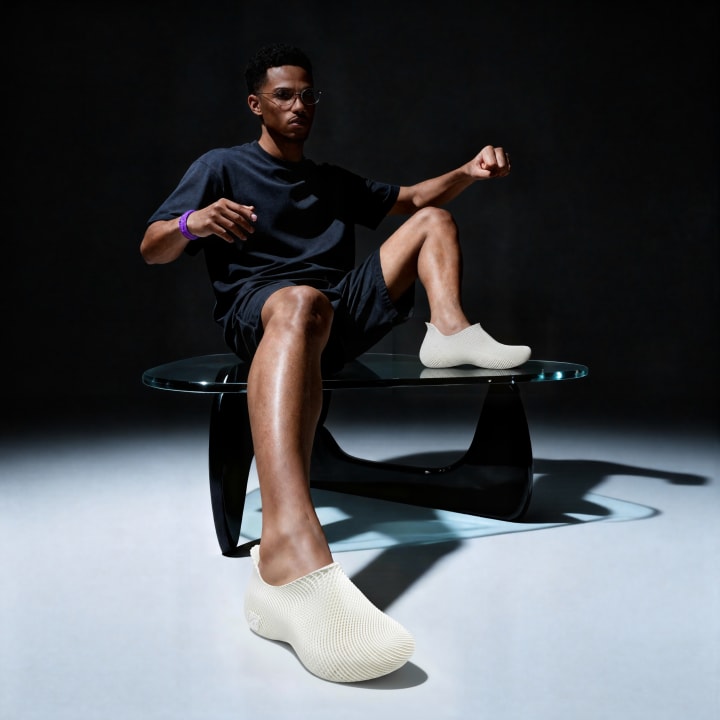
3D printed shoes are also designed with intricate patterns and structures that are impossible to achieve with conventional manufacturing methods. These designs can enhance flexibility, cushioning, and support, providing a more responsive running experience. The use of lattice structures and other advanced design techniques allows for optimal weight distribution and shock absorption, which are crucial for high-performance athletic footwear. This level of innovation is transforming the way we think about shoe design and functionality.
Personalized Running Experience
One of the most exciting aspects of 3D printed running shoes is personalization. Companies like Arkky are using advanced scanning technology to create a digital model of the foot. This model is used to design a shoe that fits perfectly, addressing individual needs and preferences. The ability to customize each shoe to the specific requirements of the wearer is a significant departure from the one-size-fits-all approach of traditional shoe manufacturing.
The personalization process goes beyond just fit; it also includes the ability to choose from a wide range of designs and colors. This means that runners can create a shoe that not only performs well but also reflects their personal style. The combination of aesthetics and functionality is a key selling point for 3D printed running shoes, attracting a growing number of consumers who value both performance and individuality.

Benefits of Personalization
- Enhanced Comfort: Custom-fit shoes reduce pressure points and ensure even weight distribution, minimizing the risk of blisters and injuries. The precise fit provided by 3D printing technology enhances overall comfort, allowing runners to focus on their performance rather than discomfort.
- Improved Performance: A shoe that fits well can improve balance and stability, allowing runners to focus on their performance rather than discomfort. The tailored fit of 3D printed shoes enhances biomechanics, reducing the risk of injury and improving overall running efficiency.
- Unique Style: Personalization allows runners to choose colors, patterns, and designs, making each pair of shoes truly unique. This level of customization extends beyond aesthetics, as it allows for the integration of specific features that cater to the runner's individual needs and preferences.
Sustainability and Efficiency
3D printed running shoes are not just about performance and style; they also offer sustainability benefits. Traditional shoe manufacturing often results in significant material waste, with off-cuts and excess materials ending up in landfills. In contrast, 3D printing uses only the necessary materials, significantly reducing waste. This efficiency is not only beneficial for the environment but also contributes to cost savings in the manufacturing process.
The sustainability aspect of 3D printed running shoes is a major selling point for environmentally conscious consumers. By reducing waste and using sustainable materials, manufacturers can create products that have a lower environmental impact. This approach aligns with the growing consumer demand for eco-friendly products and demonstrates the potential for 3D printing to contribute to a more sustainable future.
Environmental Benefits
- Reduced Waste: Additive manufacturing uses precise amounts of material, minimizing excess. This precision reduces the amount of waste generated during production, making 3D printing a more sustainable option compared to traditional manufacturing methods.
- Energy Efficiency: The production process is often less energy-intensive compared to traditional methods. 3D printing allows for localized production, reducing the need for transportation and the associated carbon emissions.
- Recyclable Materials: Many 3D printed shoes use recyclable materials, contributing to a circular economy in the footwear industry. This use of sustainable materials reduces the environmental impact of shoe manufacturing and aligns with broader efforts to promote recycling and waste reduction.
The Future of 3D Printed Running Shoes
As technology advances, the potential for 3D printed running shoes continues to grow. Future innovations may include smart materials that adapt to the runner's movements or shoes that are self-repairing. The possibilities are endless, and companies like Arkky are leading the charge. The integration of technology into footwear is likely to continue, with new developments enhancing the performance and functionality of 3D printed shoes.
The future of 3D printed running shoes is bright, with ongoing research and development promising even more exciting advancements. The ability to incorporate smart technology into shoes opens up new possibilities for real-time performance tracking and personalized feedback. As these technologies become more accessible, we can expect to see further innovations that push the boundaries of what is possible in footwear design and functionality.

Challenges to Overcome
While the potential is vast, there are challenges to address. The cost of 3D printing technology can be high, which may affect the price of the final product. This presents a barrier to widespread adoption, as consumers may be hesitant to pay a premium for 3D printed shoes. Additionally, ensuring the durability and longevity of 3D printed shoes is critical for widespread adoption. Manufacturers need to address these challenges to make 3D printed shoes more accessible to a broader audience.
Another challenge is the need for continued research and development to improve the materials and processes used in 3D printing. As the technology evolves, it will be essential to address these issues to ensure that 3D printed running shoes meet the high standards expected by consumers. Overcoming these challenges will be crucial for the continued growth and success of 3D printed footwear in the market.
Arkky: Pioneers in 3D Printed Footwear
Arkky is one of the companies revolutionizing the industry with their 3D printed running shoes. By focusing on innovation, customization, and sustainability, Arkky is setting a new standard in footwear. Their commitment to quality and cutting-edge technology ensures that runners receive a product that meets their needs and exceeds their expectations. Arkky's approach to 3D printed footwear is a testament to the potential of this technology to transform the industry.
Arkky's leadership in 3D printed footwear is driven by their dedication to pushing the boundaries of what is possible. By leveraging the latest technology and design techniques, Arkky is able to offer products that are both innovative and sustainable. Their focus on customer satisfaction and environmental responsibility makes them a leader in the industry and a model for other companies looking to enter the market.
Arkky's Approach
Advanced Scanning Technology: Arkky uses state-of-the-art scanning to capture the exact shape and contours of the foot. This precise measurement ensures a perfect fit, enhancing comfort and performance for the wearer.

Innovative Design: Utilizing unique design algorithms, Arkky creates shoes that are both functional and aesthetically pleasing. Their designs incorporate advanced structures that optimize support and cushioning, providing a superior running experience.
Sustainable Practices: With a focus on reducing environmental impact, Arkky uses eco-friendly materials and processes. Their commitment to sustainability extends to every aspect of their business, from production to packaging, setting a new standard for environmentally responsible footwear manufacturing.
Conclusion
3D printed running shoes are more than just a trend; they represent a shift in how we think about footwear. With personalized fit, improved performance, and sustainable practices, these shoes offer significant benefits to runners and the environment. As companies like Arkky continue to innovate, the future of running shoes looks promising, with endless possibilities on the horizon. The integration of 3D printing technology into footwear manufacturing is a testament to the potential for innovation in the industry.
Whether you're a casual jogger or a professional athlete, the potential of 3D printed running shoes to enhance your running experience is undeniable. As technology continues to advance, we can expect even more groundbreaking developments in the world of 3D printed footwear. The future of running shoes is bright, with 3D printing leading the way towards a more personalized, sustainable, and innovative approach to footwear design and production.
About the Creator
Things to Check Before Buying a Wedding Salwar Kameez
Shopping for a wedding salwar kameez is exciting but it can also feel overwhelming. With so many colors, fabrics, embroidery styles, and silhouettes available online, it’s easy to fall in love with a design without thinking about the practical details. And when it comes to wedding outfits, there’s very little room for error.
By Amit Mandal7 days ago in Styled
Studded Belts for Men - Style Tips & Outfit Ideas
Studded belts have transcended subcultures and punk roots to become a versatile fashion accessory for men. From classic leather studded belts to edgy black punk styles, these belts can transform a casual outfit into a statement look. Whether you're aiming for streetwear, rock-inspired fashion, or a polished casual ensemble, understanding how to wear studded belts is key.
By Ryan Riceklton4 days ago in Styled
Pearl
1980 something. we all hung out at Pearl and you and i were nothing special, or so i thought. i mean we all danced, drenched in our own sweat, our own saline solution of fear, too many beers, shots, laughter, tears, fucks in the bathroom and i don't know when we began to be afraid. do you?
By ROCK aka Andrea Polla (Simmons)5 days ago in Fiction



Comments
There are no comments for this story
Be the first to respond and start the conversation.