
Step Into the Future: The Top 5 3D Printed Shoes You Should Know About
3D Printed Shoes Buying Guide


“3D printed shoes” do not necessarily mean that the entire shoe is 3D printed. Common practices in the industry include:
- Midsole/Insole: Using parameterized lattice structures with regionally adjusted hardness and rebound.
- Upper/Shell: Only a few brands adopt fully printed one-piece uppers, while most still combine woven or textile materials.
- Customization Process: From foot scanning → digital modeling → small-batch or on-demand manufacturing.
This brings three core advantages: ① Zoned support (stable arch and heel, flexible forefoot); ② Lightweight and breathable design; ③ On-demand production, reducing molds and waste. For example, the adidas × Carbon 4D lattice midsole uses data-driven, multi-zone density design to precisely position “support–cushion–propulsion” where it’s needed most.
How to Judge Whether a 3D Printed Shoe Is “Worth Buying”
Check these four points:
- True Zoning Structure – Does the brand show or explain how the lattice changes by region (e.g., denser heel, supported arch, looser forefoot)?
- Material and Process – What’s the elasticity and durability of the TPU used (common in DLS/MJF/SLS processes)? Does the brand disclose its material or platform partners (such as Carbon or Formlabs)?
- Availability and Reputation – Is it a concept/exhibition piece or an actual mass-production model with buyer feedback?
- Scenario & Foot Type Fit – Running, commuting, recovery sandals, or fashion wear all require different trade-offs between support, cushioning, and rebound.
Top 5 Brands & Directions
1) adidas — The Mass-Production Benchmark for 4D Lattice
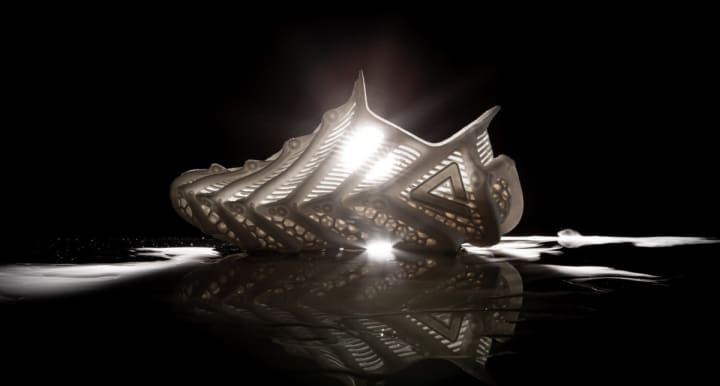
Representative Line: 4DFWD / Ultracraft 4D series; by around 2021, it had formed a mature DLS (Digital Light Synthesis) lattice midsole family.
Technical Highlight: Deep collaboration with Carbon, using athlete data to fine-tune lattice parameters, balancing forward propulsion with cushioning.
Recent Trend: Media reports indicate adidas is also advancing fully 3D printed designs (such as greater print ratios in certain Climacool models), signaling a shift from “midsole printing” toward “full-shoe printing.” (Referencing third-party sources; product availability depends on local markets.)
Best For:
- Those seeking reliable, mass-produced comfort for commuting or light jogging.
- Users needing solid midsole support and forward guidance without excessive hardness.
Buying Tips:
- When choosing 4DFWD/4D models, test the “lifting feel” in the heel–arch area.
- Note that some 4D models have slightly narrower forefoots; consider half-size adjustments.
2) Nike × Zellerfeld — The Pioneer of Fully Printed Shoes
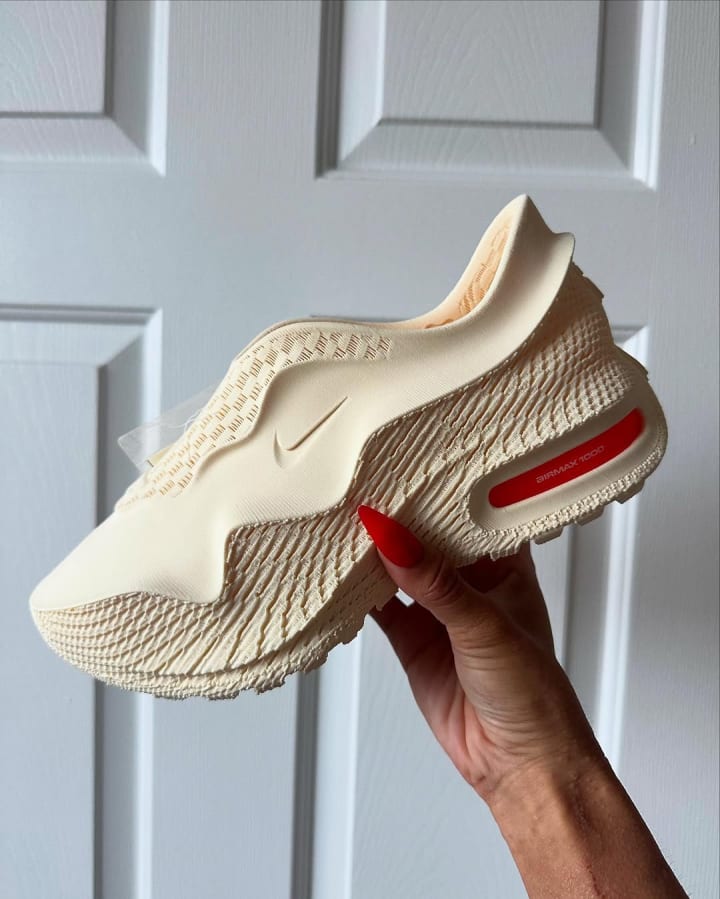
Representative Line: Air Max 1000 (3D Printed) concept and limited presale; utilizes Zellerfeld’s single-material, one-piece printed shell/upper/sole with variable lattice density.
Technical Highlight: More of a wearable parametric structure than a traditional shoe. Zellerfeld emphasizes full recyclability, washability, and re-print upgrades, combined with custom fit through scanning.
Industry Impact: Marks a shift from “midsole printing” to “entire-shoe printing,” transforming the supply chain from traditional materials and stitching toward digital on-demand manufacturing.
Best For:
- Enthusiasts of cutting-edge design or limited-edition releases.
- Consumers interested in full-shoe printing and personalized fit.
Buying Tips:
- Watch for release schedules and foot-scan size processes.
- As a one-piece shell, support and ventilation depend heavily on lattice zoning and material elasticity—always try on or check reviews.
3) New Balance — TripleCell: From Lab to Commercial Reality
Representative Line: TripleCell Platform (in partnership with Formlabs), translating the concept of “lattice replacing foam” into mass-produced parts that balance rebound and durability.
Technical Highlight: Controlled geometric layers (spring-like) deliver elasticity and lifespan superior to traditional foam, with production already established in the U.S.
Best For:
- Long standing hours or daily commuting requiring stable and balanced comfort.
- Users who prefer understated, functional tech aesthetics.
Buying Tips:
- Midsole hardness, softness, and bounce vary by model—read reviews.
- Check width options (New Balance offers generous last choices).
4) ASICS — The 3D Printed “Recovery Sandal” Path
Representative Line: ACTIBREEZE 3D Sandal / Hybrid Sandal (Stability), featuring a fully printed footbed with thick lattice design, targeting post-training recovery.
Technical Highlight: Parameterized lattice prioritizing airflow and pressure dispersion underfoot; a successful exploration in functional sandals.
Best For:
- Athletes or users needing recovery/relaxation footwear.
- Fans of lightweight, breathable sandals for both indoor and outdoor use.
Buying Tips:
- This is a recovery shoe, not a performance running shoe—support and propulsion are moderate.
- Fit runs slightly wide; go down half a size for a more secure feel.
5) ARKKY — When Tech-Driven Fashion Meets Everyday Life


Brand Positioning: A rising American 3D printed footwear brand, centered on digital modeling and lattice arch support, emphasizing lightweight ergonomics and sustainability. Its product lines reflect a relaxed, stylish, and free lifestyle.
Product Overview:
- Balances lift–rebound–ventilation through parameterized lattice and improved TPU elastomers.
- Pursues on-demand manufacturing and waste reduction aligned with eco-conscious values.
- Plans both commuter/daily and conceptual series to integrate style and function.
Best For:
- Consumers focused on comfort, support, and tech aesthetics.
- Commuters curious about 3D printed footwear but seeking practicality over pure concept.
- Users valuing relaxed comfort in daily wear.
Buying Tips:
- Prioritize arch and heel support feel, as well as forefoot flexibility.
- Ask about materials (e.g., TPU) and lattice zoning to match foot type/weight.
Extended: Platform and Material Ecosystem
Platform Players (e.g., Zellerfeld): Provide end-to-end solutions from scanning and parametric design to localized small-batch printing, transforming the traditional “factory–material–distribution” model into a “cloud design–local print–rapid iteration” pipeline.
Material/Engineering Partners (e.g., ARKKY): Supply high-elastic and durable polymers plus printing processes for footwear lattices, bridging large corporations and startups across various implementation paths.
Practical Buying Checklist
- Define Use Case:
- Running/Commuting: Consider adidas 4D, New Balance, ARKKY for balanced support and rebound.
- Recovery/Home: Consider ASICS or ARKKY.
- Trend/Collection/Custom Fit: Look at Nike × Zellerfeld × ARKKY pioneer models.
- Foot Type Matching: Flat feet need stronger arch lift; high arches need more cushioning and landing stability.
- Try-On & Return: Choose retailers offering returns—lattice shoes require real walking tests.
- Durability & Care: Lattices trap dust; wash regularly and air dry. Avoid high heat.
- Sustainability & Cost: For eco-conscious buyers, focus on on-demand or recyclable models (like Zellerfeld collaborations).
Industry Trends & Realistic Expectations
- From Midsole to Full-Shoe Printing: Brands and platforms are exploring higher printing ratios and recycling systems, though mass adoption is ongoing.
- Personalized Fit: Scanning → parametric modeling → local printing remains the long-term direction, but widespread accessibility and affordability still need time.
- Performance & Lifespan: Lattice fatigue and wear resistance are key engineering focuses; manufacturers and material suppliers continue optimizing these parameters.
Conclusion
If you’re new to 3D printed shoes, start with proven, mass-produced, support-reliable options like adidas 4D, New Balance TripleCell, ARKKY CozLite, or ASICS recovery sandals.
For a pioneering experience in fully printed, recyclable footwear, watch for Nike × Zellerfeld releases.
If you seek the balance of tech aesthetics + functional comfort, keep an eye on ARKKY’s new product launches and try-on programs.
Footwear is highly scenario- and individuality-driven—let data and materials serve your feet, not the other way around.
(Information referenced from official brand and industry sources: adidas × Carbon 4D technical documentation, New Balance × Formlabs TripleCell case studies, ASICS ACTIBREEZE official pages, ARKKY official site, Zellerfeld & Nike collaborations, and relevant material science white papers.)
About the Creator
TrailCam
I work in the internet industry and enjoy communicating through text, discussing fashion, IT, and sharing my feelings.
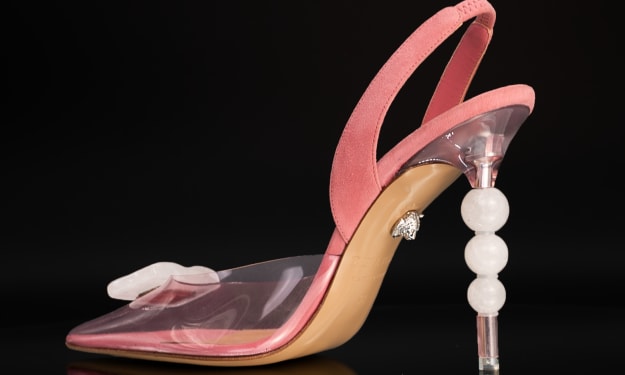
The Most Iconic Luxury High Heel Styles Every Woman Should Own
Luxury high heels are more than a fashion accessory — they have long symbolized confidence, elegance, and self-expression. Yet the most enduring designs go beyond aesthetics. They balance sophistication with wearability, answering the growing demand for comfortable women’s heels that look beautiful while allowing women to move with ease and confidence.
By tigrerosaofficial2 days ago in Styled
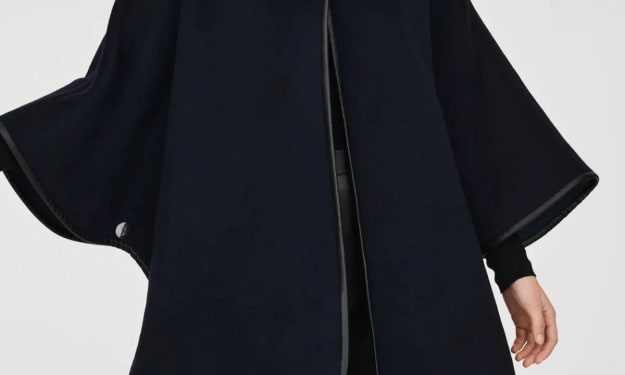
Are Ponchos in Style?
Ponchos are not just in style — they’ve evolved. What was once considered a purely practical layer has returned as a refined outerwear choice, especially during colder seasons. The modern poncho is structured, versatile, and intentionally styled. It no longer feels oversized or shapeless. Instead, it feels architectural.
By BTK COLLECTION6 days ago in Styled
Tatt~Master
— Assembly Line Tatt Machine ~ Impressions to Impress — As I begin to understand more about the Tattoo Phenomenon. I've written silly, yet verbatim, dating site anecdotes in 'Frazzled.' So let me ask you: Would you be More attracted to someone slathered with tattoos, or Less?
By Jay Kantor7 days ago in Humor


Comments
There are no comments for this story
Be the first to respond and start the conversation.